How to Stay Warm in Office Without a Heater
Learn heater-free ways to stay warm at work with layering, drafts control, desk optimization, and daily habits that boost comfort and productivity.


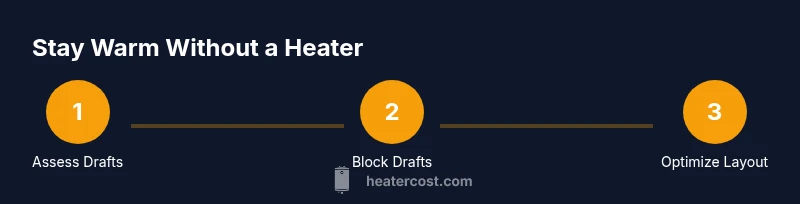
To stay warm in an office without a heater, start with layering and movement. Block drafts, position your desk to catch sunlight, and use hot drinks to raise your core temperature. This guide presents practical steps, tools, and daily habits you can adopt today to stay comfortable while saving energy.
The Hidden Costs of Being Cold at Work
Cold conditions in the office aren’t just uncomfortable—they impact focus, mood, and productivity. When toes and fingers stay chilled, cognitive performance can dip, and teams often compensate by cranking up space heaters or asking facilities for fixes. According to Heater Cost, even small reductions in drafty airflow can lead to meaningful energy savings over a workweek. Addressing comfort in the office is not merely a luxury; it’s a practical, cost-conscious habit that protects productivity and well-being. This section sets the stage for actionable, heater-free strategies that you can implement with coworkers and facilities.
Layering Like a Pro: Clothing for Real Comfort
Layering remains the simplest, most effective defense against cold indoors. Start with a moisture-wicking base layer, add an insulating middle, and finish with a wind- or heat-retaining outer layer. Choose breathable fabrics to prevent overheating during the day. In addition to garments, keep socks thick and warm, and consider a scarf or shawl at your desk for instant warmth without excessive layering. The goal is to trap warmth close to the skin while allowing natural movement and airflow when you heat up during tasks.
Desk Placement and Local Heat Sources
Where you sit can have a surprising impact on warmth. Position your chair to catch indirect sunlight or to avoid cold drafts from windows and doors. If possible, relocate to a warmer corner of the office during peak sun hours. Close proximity to a heat-retaining surface (even a whiteboard or filing cabinet that’s warmed by daylight) can make subtle but noticeable differences in how warm you feel throughout the day.
Windows, Drafts, and Thermal Barriers
Drafts at windows are common culprits for cold seats and chilly shoulders. Use weatherstripping tape to seal the window frame and door sweeps to block under-door gaps. If permanent fixes aren’t possible, consider temporary solutions like blackout curtains or thermal drapes that reduce radiant heat loss. Small changes here deliver big comfort gains over the course of a workday.
Tools & Materials
- Door draft blockers(Place at thresholds to stop cold air from entering.)
- Weatherstripping tape(Seal gaps around doors and windows for better insulation.)
- Thermal curtains or blinds(Install to retain heat and reduce radiant loss.)
- Warm, layered clothing (socks, sweater, scarf)(Choose breathable fabrics that retain heat without overheating.)
- Footrest or insulating rug(Adds warmth to the lower body and feet.)
- Insulated desk blanket or shawl(Use at your workstation for quick warmth without electricity.)
Steps
Estimated time: 60-90 minutes
- 1
Identify cold spots and drafts
Walk around your workspace and note where cold air lingers—windows, doors, and vents are common culprits. Document these areas so you can target fixes first.
Tip: Use a tissue or a piece of paper to observe air movement as you move a door slightly. - 2
Block door drafts with draft blockers
Place draft blockers along the bottom edge of frequently used doors to prevent cold air from entering. Re-check temperature around your feet afterward.
Tip: Even small shifts in door alignment can create noticeable drafts. - 3
Seal windows and vents with weatherstripping
Apply weatherstripping to windows and, if needed, vent openings. A snug seal reduces radiant heat loss and makes the space feel warmer.
Tip: Cut strips to fit precisely; press firmly for durability. - 4
Reorient your desk toward daylight
Move your workstation to capture more natural light when the sun is shining. Daylight brings passive warmth and can make your space feel physically warmer.
Tip: If relocation isn’t possible, use a desk-facing orientation that minimizes wind exposure. - 5
Dress in layered, insulating clothing
Wear a moisture-wicking base layer, a warm middle layer, and a wind-resistant outer layer to trap body heat.
Tip: Avoid heavy cotton directly against skin in dry environments; use wool or synthetic blends for warmth. - 6
Keep feet warm and circulation active
Wear thick socks, keep feet flat on the floor, and take short movement breaks to improve circulation and warmth.
Tip: Alternating foot placement and leg movements can boost comfort during long desk sessions. - 7
Move regularly to generate heat
Take short breaks for micro-exercises: marches in place, shoulder rolls, and quick stretches to raise body temperature.
Tip: Set a reminder every 20–30 minutes to stay actively warm. - 8
Hydration and hot beverages
Drink warm non-caffeinated beverages and keep a thermos at hand for steady internal warmth.
Tip: Avoid overconsumption of caffeine late in the day to prevent sleep disruption. - 9
Use a personal warmth tool (non-electric)
A lightweight blanket or shawl can dramatically increase perceived warmth without plugging in devices.
Tip: Have a quick-dreeze-friendly option available for colleagues who prefer lower temperatures. - 10
Moderate humidity for comfort
A comfortable humidity level can make air feel warmer; if humidity is low, add moisture sources like a shallow tray of water near a heat source (not plugged in).
Tip: Dry air can feel colder; humidity helps warmth perception. - 11
Sunlight and shading strategies
Open blinds on sunny days and close them when the sun goes behind clouds to manage glare and radiant warmth.
Tip: Use scheduling to maximize sun exposure during your peak work hours. - 12
Coordinate with facilities for longer-term fixes
If drafts persist, discuss options with facilities—window upgrades, insulation improvements, or zoning adjustments.
Tip: Present a concrete plan with a cost-benefit view to gain buy-in.
Got Questions?
What are the best non-heating strategies to stay warm in an office?
Layer clothing, block drafts, position near sunlight, move regularly, and use warm drinks to maintain comfort without a heater.
Layer up, block drafts, catch sunlight, and move a bit each hour to stay warm.
Can drafts be fixed easily without a building retrofit?
Yes. Use weatherstripping, draft blockers, and simple window coverings to reduce heat loss without major upgrades.
You can seal drafts with simple weatherstripping and blockers, no big renovations needed.
Is it safe to rely on blankets at my desk?
Blankets are a safe, passive way to stay warm at your desk as long as they don’t obstruct exits or equipment and are used comfortably.
Blankets at your desk are fine if they don’t block exits or equipment.
Will turning up the thermostat help, or is it wasteful?
Raising the thermostat increases energy use. Focus on drafts, clothing, and desk placement first before altering building controls.
Turning up the thermostat uses more energy, so explore other options first.
How can I approach facilities about improving office warmth?
Present a clear plan with observed drafts, number of affected employees, and potential energy savings to build a case for improvements.
Talk to facilities with a simple plan and clear benefits to get support.
Are there safety concerns with personal heating devices at work?
Many workplaces restrict portable heaters due to fire risk. Favor non-electric warmth strategies and approved devices.
Portable heaters can be risky; follow your office policies and use approved methods.
Watch Video
The Essentials
- Block drafts first to stop heat loss
- Dress in layers and move regularly to boost warmth
- Position your desk to catch daylight and minimize drafts
- Address humidity for a warmer-feeling space
- Work with facilities for durable, cost-saving improvements