How to Feel Warmer When Cold: A Homeowners Guide
Learn practical strategies to feel warmer when cold, combining smart layering, movement, and room adjustments. This guide from Heater Cost offers actionable steps for homeowners, renters, and managers to boost comfort efficiently.


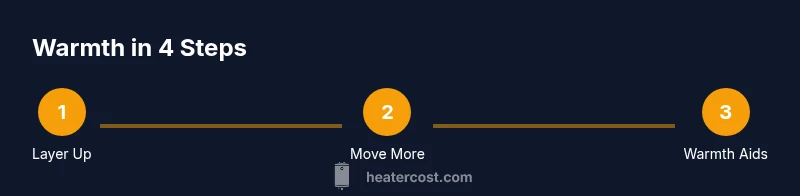
To feel warmer when cold, combine smart layering, movement, and targeted warmth with environmental tweaks. Start with breathable base layers, add mid and outer layers, and use a small warmth source if needed. Small changes in posture, movement, and draft control can significantly improve comfort. According to Heater Cost, most homes gain warmth through a blended approach of clothing, movement, and environment—not just higher heat.
Why warmth matters for daily comfort
Feeling consistently chilly can affect sleep, mood, and energy. The aim isn’t to heat the entire house to a high temperature, but to create a personal warmth zone that feels comfortable. According to Heater Cost, warmth results from a blend of biology, clothing, and the microclimate around you. In 2026, the Heater Cost Team emphasizes that comfort comes from layered clothing, smart movement, and thoughtful room setup, not a single adjustor of temperature. This section explores how to create those conditions at home with practical, repeatable steps.
Layering for warmth: clothing strategy
Effective warmth starts with clothing. A proper layering system traps heat close to your body and allows you to adjust as conditions change. Start with a breathable, moisture-wicking base layer to manage sweat. Add a insulating mid-layer (fleece, wool, or synthetic) for warmth. Top with a wind- and moisture-resistant outer layer to seal in heat. Don’t forget accessories: a warm hat, scarf, and socks can prevent heat loss through extremities. Fitting is important—loose layers can create cold spots, while tight layers can restrict circulation. Materials matter: merino wool and high-quality synthetics balance warmth with comfort. The Heater Cost team also notes that choosing fabrics that wick moisture helps you stay warm without overheating.
Move more: physical activity and circulation
Movement is a powerful, low-cost way to feel warmer. Short, periodic activity—standing up, stretching, or a few light marches around the room—increases blood flow and raises skin temperature in core areas. Try a simple routine every 15–20 minutes during sedentary tasks. If you’re indoors for long periods, set a gentle rhythm: 2–3 minutes of movement, 1–2 minutes of rest. Hydration supports circulation too, so sip water or warm beverages regularly. The goal is to create a dynamic microcirculation that combats cold sensation without relying solely on heating devices.
Dial in your environment: drafts, humidity, and layout
Drafts and dry air make a room feel colder quickly. Start by sealing obvious gaps around doors and windows with weatherstripping or draft stoppers. Use curtains or blinds to reduce radiant heat loss at night. Humidity generally helps perceived warmth—use a humidifier if the air is very dry, especially in winter. Position seating to face or near natural heat sources (sunlight or radiators) rather than far from them. Small shifts in room layout can dramatically influence comfort, so experiment with furniture placement and rug use to insulate the floor.
Local warming aids: blankets, heat packs, and safe devices
Localized warmth can feel instantly comforting. Use blankets and throws to create warm microzones around your lap and shoulders. Heat packs or hot water bottles are convenient for short sessions near the neck, lower back, or feet—avoid sleeping with heat sources in contact with skin or bedding unless designed for overnight use. If you consider mechanical aids, choose portable heaters with automatic shutoff and keep them away from combustibles. Always follow safety instructions and use heat sources in well-ventilated spaces.
Quick room adjustments that cost nothing
Simple, no-cost actions can reduce chill quickly. Close off unused rooms to concentrate warmth, keep doors closed to limit drafts, and rotate toward sunlight during daytime hours. Wear warm socks and slippers to minimize heat loss through the feet, and consider lowering ceiling fans or adjusting thermostat behavior to minimize heat exchange with cooler rooms. Small changes like these can make a surprisingly big difference in perceived warmth without changing the overall thermostat setting.
When to consider mechanical options: safe heating practices
If personal warmth strategies aren’t enough, consider safe heating options. A portable electric heater can provide focused warmth in a small area, while a programmable thermostat can optimize when and how heat is delivered. Never leave space heaters unattended, place them away from drapes, papers, or upholstery, and ensure proper clearance. For homes with gas heating, ensure proper venting and carbon monoxide detectors. Mechanical options should supplement personal warmth, not replace layered clothing and drafts control.
Sleep and warmth: staying comfortable overnight
Nighttime warmth is about slow, steady lethality. Choose warm sleepwear such as flannel or thermal fabrics, add a layering blanket system, and use breathable bedding to avoid overheating. If using a heated blanket, select one with automatic shutoff and never place wires under you while sleeping. A cool-to-warm climate before bed helps you drift asleep more easily and wake less chilled, supporting consistent warmth through the night.
Hydration, nutrition, and warm beverages
Warm beverages and nourishing meals can contribute to feeling warmer by promoting gut warmth and improved circulation. Herbal tea, soups, and mild-spiced dishes can provide comfort without disrupting sleep or causing dehydration. Avoid caffeine late in the day if it interferes with sleep, and balance fluids with humidity in the room. Proper nutrition supports your body’s thermoregulation, making it easier to feel warm in daily activities.
Safety considerations and avoiding overheating
Warmth should improve comfort, not create heat stress. Avoid overheating small spaces or covering heat sources with fabrics. Use breathable, moisture-wicking fabrics to prevent clamminess, and keep a safe distance from heaters and direct heat sources. Check in with your body: if you feel dizzy, hot, or nauseous, remove extra layers and cool down. If you have medical conditions that affect temperature regulation, consult a healthcare professional for personalized guidance.
How to monitor comfort and adjust dynamically
A practical approach is to use a simple comfort check. Rate your current warmth on a scale from 1 to 10 and adjust layers, movement, or a heat source to bring your rating to an 8 or higher. Track how changes affect your comfort over 15–30 minutes and repeat as needed. Consistency comes from habit: integrate these steps into daily routines so feeling warm becomes automatic rather than reactive.
Tools & Materials
- Thermal base layers (top and bottom)(Moisture-wicking fabrics like merino wool or synthetic blends)
- Warm socks(Wool or synthetic blends; avoid cotton that traps moisture)
- Warm hat or beanie(Covering the head reduces heat loss)
- Scarf(Layer around neck for insulation)
- Slippers or warm footwear(Insulated, non-slip soles)
- Cozy cardigan or fleece(Lends an extra insulation layer)
- Blanket or throw(For lap and shoulder coverage while seated)
- Portable space heater(Use safely in small spaces; never unattended)
- Humidifier(Maintains comfortable humidity for perceived warmth)
- Hot water bottle or heat pack(Targeted warmth for core areas when needed)
Steps
Estimated time: 45-60 minutes
- 1
Put on base layers
Slip on breathable base layers, ensuring a snug but comfortable fit to wick moisture away from the skin.
Tip: Choose a fabric that manages sweat; avoid tight constriction that can reduce circulation. - 2
Add mid-layer insulation
Wear an insulating mid-layer like fleece or wool to trap heat close to your body.
Tip: Layering should feel warm but not restrictive; adjust fit as needed. - 3
Top with an outer warmth layer
Finish with a wind- and water-resistant outer layer if you’ll be outdoors or near drafts.
Tip: Ensure zippers and cuffs seal gaps without compressing layers. - 4
Seal drafts in your space
Close doors to unused rooms and use weatherstripping around windows or draft stoppers at thresholds.
Tip: Small gaps matter; even a thin strip of weatherstripping reduces drafts significantly. - 5
Move to boost circulation
Stand, stretch, or take a quick walk to increase blood flow and core warmth.
Tip: Aim for short bursts every 15–20 minutes during sedentary tasks. - 6
Layer blankets for localization
Use a blanket on your lap or shoulders to create a warm personal zone while sitting.
Tip: Focus warmth where you feel the chill most (core, neck, or hands). - 7
Utilize a safe heat source if necessary
If needed, employ a portable heater with safety features and keep it away from fabrics.
Tip: Never leave a space heater unattended or run near flammable items. - 8
Stay hydrated and sip warm beverages
Maintain hydration and choose warm drinks to support comfort and circulation.
Tip: Avoid very hot drinks close to bedtime if you’re sensitive to heat. - 9
Prepare for sleep with warmth
Wear warm nightwear and use layered bedding to maintain warmth through the night.
Tip: If using a heated blanket, follow manufacturer guidelines and turn off before sleep. - 10
Check comfort and adjust
After a cycle of steps, assess warmth, adjust layers, and reposition equipment if needed.
Tip: Keep a simple comfort log to identify which changes yield the best results. - 11
Maintain consistent routine
Incorporate warmth strategies into daily routines so comfort becomes habitual.
Tip: Consistency reduces the effort needed to feel warm over time.
Got Questions?
What is the fastest way to feel warmer when cold?
Layer up quickly with a breathable base, insulating mid-layer, and an outer shell if needed. Add a short burst of movement to boost circulation, and seal obvious drafts. A small heat source can help in a pinch, but focus on personal warmth first.
Layer, move, and seal drafts for fast warmth; use a safe heat source if needed.
Can I feel warmer without increasing home temperature?
Yes. Personal warmth comes from layering, movement, and localized heat. Reducing drafts and using blankets can make a big difference without raising the thermostat.
Absolutely—layer and move, then seal drafts for comfort without extra heat.
Are space heaters safe to use?
Space heaters can be safe when used according to the manufacturer: keep them away from flammable objects, maintain proper clearance, and never leave them unattended.
Space heaters can help, but follow safety guidelines and never leave them on alone.
Does hydration affect warmth?
Hydration supports circulation and body function, which can influence how warm you feel. Pair fluids with layering and movement for best results.
Staying hydrated helps your body regulate warmth along with movement and layering.
Do certain foods or drinks help warmth?
Warm beverages and meals can create a subjective sense of warmth and support hydration. Avoid heavy meals right before bed if they disrupt sleep.
Warm drinks feel comforting and help hydration; pair with light, balanced meals.
How can I tell if my layering is effective?
Use a simple comfort check: rate your warmth on a 1–10 scale after each adjustment, then tailor layers to reach an 8 or higher.
Test your warmth with a quick scale, then adjust as needed.
Watch Video
The Essentials
- Layer smartly to trap heat near the body.
- Move regularly to boost circulation and warmth.
- Seal drafts and manage humidity for comfort.
- Use safe, targeted heat sources as needed.
- Make warmth a daily habit, not a one-off effort.