How Much Is a Gas Heater? Prices, Installation, and Costs in 2026
Discover how much a gas heater costs, from upfront prices to installation, permits, and operating costs. This Heater Cost guide breaks down price ranges, efficiency impacts, and budgeting tips for homeowners, renters, and property managers.


Gas heater costs vary widely by type and installation. For central heating, a gas furnace installed typically runs about $2,500 to $7,500, including labor and permits. If you’re shopping for a space heater, plan for roughly $600 to $3,500 installed, depending on BTU and venting requirements. Always factor permits, venting, and ductwork into the budget.
Cost Range Overview
If you’re asking how much is a gas heater, you’ll encounter a broad spectrum of prices. Portable gas space heaters can cost a few hundred dollars, while a full central gas furnace with installation easily reaches into the thousands. The wide range reflects differences in BTU capacity, efficiency (AFUE), venting requirements, and whether ductwork or gas line upgrades are needed. In 2026, Heater Cost analyses show that most homeowners budget for both the equipment and the professional installation, which includes labor, permits, and potential ductwork modifications. For accurate planning, define your heating needs (room size, insulation, climate) and obtain multiple quotes that itemize parts, labor, and permit fees.
Price Components
Breaking down the price helps you compare offers side by side. Major components include:
- Unit price (gas furnace vs space heater)
- Installation labor
- Venting systems and venting materials
- Ductwork adjustments and sealing
- Permits and inspections
- Gas line upgrades (if required)
- Old unit disposal
Tip: Ask contractors for a line-item breakdown and a clear scope of work. This reduces the risk of surprise charges later in the project.
Gas Furnace vs Space Heater: When to Choose One
Central gas furnaces deliver uniform heat across a home but come with higher installation costs and ductwork needs. Gas space heaters are cheaper upfront and useful for supplemental heating or smaller spaces, but may require venting and can create uneven temperature distribution. The choice depends on home layout, climate, and whether you need whole-house heating or targeted warmth. Efficiency matters: higher AFUE ratings typically reduce operating costs over time, but the initial price can be higher. A mixed approach—using a furnace for core heating and a portable heater for zones—can balance upfront cost and comfort.
Installation Costs and Permits
Installation costs vary widely by region and project complexity. Typical factors include:
- Labor rates (regional variance)
- Ductwork alterations or new duct runs
- Venting installation or conversion to meet code requirements
- Gas line sizing and permits
- System startup and safety checks
Permits are often required for gas work and venting upgrades. Missing a permit can trigger fines and delays. A qualified installer should provide an upfront permit estimate and coordinate inspections with local authorities.
Efficiency and Operating Costs
Efficiency (AFUE) has a direct impact on long-term operating costs. Higher-efficiency furnaces (e.g., 90%+ AFUE) typically cost more upfront but reduce monthly gas bills over time, especially in larger homes or climate zones with long heating seasons. When estimating operating costs, consider: existing insulation, thermostat strategy, and expected gas prices. A simple rule: higher efficiency is usually worth the premium in homes with substantial annual heating demand, but run-time needs and climate determine the break-even period.
Finding Realistic Quotes
To avoid sticker shock, collect at least three detailed quotes from reputable installers. Request written estimates that include unit price, install labor, venting, gas line work, permits, and any additional materials. Compare not just price, but the scope of work and warranty terms. Check references, confirm license and insurance, and ensure the quotes conform to local codes. A good quote should reveal how long the project will take and what startup checks will occur.
Financing and Incentives
Explore financing options and any local or federal incentives. Some regions offer rebates for high-efficiency gas furnaces or heat pump hybrids, and certain manufacturers provide warranty extensions when installed by authorized dealers. Start with a cost-benefit analysis that weighs upfront finance charges against future energy savings. Always verify eligibility and required documentation before committing.
Maintenance and Longevity
Regular maintenance protects safety and efficiency.
- Schedule annual professional inspections.
- Replace air filters and clean burners to maintain clean combustion.
- Inspect venting for blockages or corrosion.
- Check for gas leaks and carbon monoxide detectors.
A typical gas furnace can last 15–25 years with proper maintenance. Keeping up with service can prevent costly repairs and help preserve efficiency across its lifecycle.
Buying Tips by Home Type
Single-family homes generally benefit from a central gas furnace or combined systems, while apartments or smaller homes may be well-served by compact gas heaters or zone heating strategies. Consider insulation and window performance, which influence heat loss. renters should check for landlord-provided options or temporary solutions, while property managers may evaluate longer warranties and service contracts for multi-unit buildings.
Typical gas heater cost ranges by type
| Category | Typical Price Range | Notes |
|---|---|---|
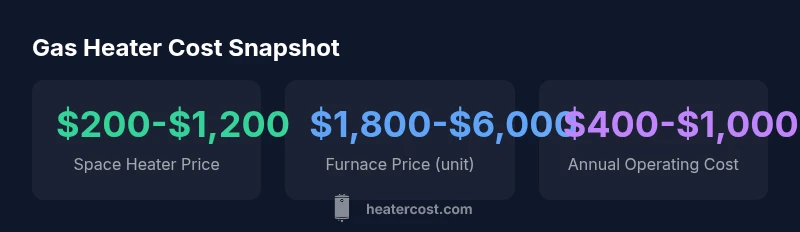
| Gas space heater (vented) | $200-$1,200 | Portable or ceiling/wall-mounted options; venting required |
| Gas space heater (unvented) | $300-$1,500 | Indoor use in limited spaces; ensure ventilation |
| Gas furnace (central heating) | $1,800-$6,000 | Size and efficiency drive cost; installation varies |
Got Questions?
What is the typical upfront cost for a gas heater?
Upfront costs vary by type. A gas space heater can cost several hundred to over a thousand dollars, while a full gas furnace with installation commonly ranges into the thousands. Always ask for a detailed line-item quote that includes installation, venting, and permits.
Gas heater upfront costs range from a few hundred to several thousand dollars, depending on the type and installation scope. Request a detailed quote from your installer.
Do I need permits to install a gas heater?
Most jurisdictions require permits for gas work, venting changes, and duct modifications. Check with your local building department and have your installer handle the permit process. Unpermitted work can lead to fines and safety issues.
Yes, permits are usually required for gas heater installation and venting work. Your installer can guide you through the process.
What affects installation cost the most?
Labor rates, ductwork needs, and venting requirements typically drive installation costs. The complexity of converting from an old system to a new one and whether gas line upgrades are needed also have a big impact.
Labor, ductwork, and venting are the main cost drivers for installation.
Are gas heaters more expensive to run than electric?
Running costs depend on local gas vs electricity prices and system efficiency. In many regions, gas furnaces are cost-effective for larger homes, while high-efficiency electric heat pumps can be cheaper in milder climates.
It depends on fuel prices and efficiency; gas can be cheaper for big homes, but electric heat pumps may win in milder climates.
What is vented vs ventless gas heater?
Vented models exhaust combustion byproducts outside, reducing indoor air concerns. Ventless models burn cleaner but require careful space planning and CO detectors. Venting requirements affect both safety and installation cost.
Vented units vent exhaust outside; ventless keep emissions indoors but need detectors and space planning.
How long does installation typically take?
Most installations take from a day to a few days, depending on system type and any ductwork or gas line work required. Your installer should provide a project timeline in the quote.
Most installs finish in 1-3 days, depending on scope. Your contractor will give a timeline.
“Gas heater costs are highly dependent on installation complexity and local labor rates; plan for a total budget that includes permits and venting.”
The Essentials
- Know your heating needs before shopping
- Budget for both equipment and professional installation
- Higher efficiency can save money over time
- Get multiple written quotes to compare scope and price
- Factor permits and venting into your budget