Heat vs Cold for Pain: An Analytical Comparison
A data-informed comparison of heat vs cold therapy for pain relief, with practical home guidance, cost considerations, and timing strategies for homeowners, renters, and property managers.


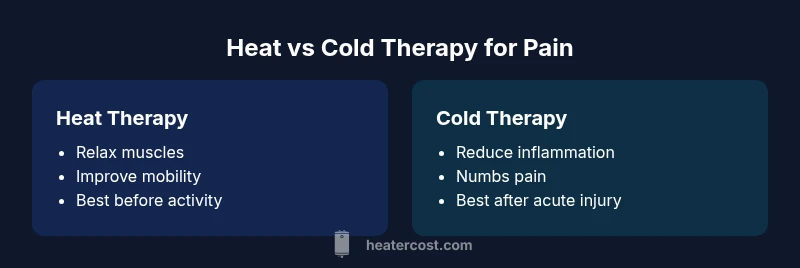
Heat vs cold for pain is situational and hinges on timing and symptoms. Cold therapy helps curb inflammation after an acute flare, while heat therapy relaxes muscles and eases chronic tension. The Heater Cost team recommends starting with cold for sudden injuries, then adding heat if pain persists or stiffness remains. For most households, a simple rule of thumb is cold first, then heat for ongoing comfort, always with skin-protection.
The science behind heat and cold therapy
Heat and cold therapy operate through distinct physiological pathways. Cold therapy constricts blood vessels and dampens nerve conduction, reducing swelling, numbing pain, and limiting tissue damage in the early stages of injury. Heat therapy dilates blood vessels, increases tissue perfusion, and promotes muscle relaxation and flexibility, which can ease chronic pain and stiffness. When you evaluate heat vs cold for pain, the timing is critical: cold is typically favored for acute inflammation, while heat is preferred for ongoing muscle tension or joint stiffness. For most households, a practical approach works: cold for a sudden flare and swelling, then heat to support recovery and comfort. The Heater Cost team emphasizes thoughtful timing, skin-tolerance testing, and avoiding prolonged exposure to either therapy.
These therapies are not mutually exclusive; many people benefit from a strategic sequence that matches symptoms to modality. A key concept is targeting the affected tissue with the appropriate mechanism—reducing inflammation with cold at the outset, then using heat to promote blood flow and healing once inflammation settles. Always test skin response with a barrier (cloth or towel) and remove if numbness or burning occurs. Consistency matters more than intensity, so establish a simple routine you can sustain.
Practical guidelines for cold therapy
Cold therapy is most effective for acute pain, swelling, or recent injuries where inflammation is suspected. Use an ice pack, gel pack, or cold compress wrapped in a thin towel to shield the skin. Apply for short intervals and reassess skin sensation before reapplying. Do not place cold therapy directly on bare skin or for extended periods; watch for numbness, color changes, or discomfort. For home use, a basic cold pack can serve as a reliable first-aid tool during flare-ups. If numbness lingers or you have poor circulation, consult a clinician before continuing.
Choosing a cold-pack option matters: gel packs tend to stay pliable and comfortable, while traditional ice bags offer stronger cooling. For renters or homeowners on a budget, even a sealed bag of frozen vegetables can provide temporary relief, but replace frequently to maintain low risk of skin damage. In any case, cold therapy should be part of a broader pain-management plan rather than the sole solution. The goal is controlled cooling that reduces swelling without harming tissue.
Practical guidelines for heat therapy
Heat therapy is typically best for muscle stiffness, chronic pain, or after activity to promote recovery. Use a heating pad, warm towel, or warm bath, ensuring the temperature is comfortable and not scorching. Place a barrier between skin and the heat source and avoid falling asleep with heating devices on. If you have reduced sensation, diabetes, or poor circulation, seek medical advice before routine heat use. Hydration and skin checks are essential, as prolonged exposure can irritate skin or worsen sensitivity.
Preference varies by person and condition: some people respond best to moist heat (damp towel or steam bath), while others prefer dry heat (electric pad). For ongoing comfort, schedule short, predictable sessions rather than sporadic, long applications. The overarching goal is to relax muscles, increase range of motion, and reduce pain perception with controlled heating rather than heat alone.
When to switch between therapies and decision rules
Understanding when to switch between heat and cold hinges on symptoms and the injury stage. After an acute flare or swelling, cold is usually the initial choice to limit inflammation. If swelling subsides but pain or stiffness persists, switching to heat can help restore mobility and comfort. For chronic conditions such as arthritis or recurrent tension, heat is often used as a preventive measure before activities and after rest periods to maintain comfort. If pain worsens after a cold treatment or remains constant beyond a short period, consult a healthcare professional.
In daily routines, consider a simple sequencing rule: start with cold during new injuries or obvious swelling, progress to heat as the tissue warms up and flexion improves, and keep sessions short with careful skin monitoring. For headaches or migraines, alternating pressure and warmth may provide relief for some individuals, but avoid extremes and long exposure. The key is to tailor therapy to your symptoms rather than to a fixed schedule.
Common conditions and recommended approach
Different conditions respond best to different modalities. For sprains and acute strains, cold therapy shortly after the incident can limit inflammation, followed by heat once the acute phase passes to relieve stiffness. For chronic back pain or neck tension, heat therapy before activities can loosen muscles and improve posture, while cold can be used after intense activity if soreness rises. For arthritis, heat is often soothing in the morning to reduce stiffness, with cold applied during flare-ups to reduce swelling. Headache management may benefit from a warm compress on the neck or temples in some cases, while cold packs can help if a headache is tied to muscle tension.
Always adjust to personal response and medical history. If you notice redness, persistent numbness, or skin irritation, discontinue therapy and seek professional guidance. Integrating heat and cold with movement, stretching, and hydration yields better outcomes than relying on a single modality.
Cost-friendly options and home devices
A major advantage of heat vs cold for pain is accessibility and affordability. Cold therapy can be achieved with inexpensive cold packs or household items such as sealed bags of frozen items kept in a freezer. Heating options range from affordable heating pads to wearable heating wraps and warm towels. For households seeking convenience, budget-friendly devices with adjustable temperature settings offer more control and safety than improvised solutions. When evaluating options, prioritize devices with thermostatic control, time-limit alerts, and safety features such as auto-shutoff. The goal is reliable therapy that supports pain relief without compromising safety or budget.
In addition to devices, consider complementary elements like a comfortable chair, supportive cushions, and a timer to establish consistent routines. For landlords or property managers, scalable solutions include providing a small supply of basic cold packs and a few heating pads in common areas for tenant comfort, with clear safety guidelines. Heater Cost’s cost-conscious audience benefits from selecting versatile tools that cover both cold and heat needs with minimal upkeep.
Safety, contraindications, and when to avoid heat or cold
Therapy should be tailored to individual health status. People with diabetes, neuropathy, vascular disease, or impaired sensation should consult a clinician before regular heat or cold use. Never apply therapy over open wounds, areas with poor circulation, or areas with loss of sensation, and avoid applying heat over actively inflamed joints for extended periods. If you have skin conditions, use a barrier and monitor skin color and sensation closely. If you’re pregnant, have a heart condition, or use certain medications that affect skin sensitivity, obtain medical guidance before starting a heat or cold regimen.
Be mindful of safety signs: severe burning, persistent numbness, or skin discoloration indicate stopping therapy. Avoid substituting medical treatment with self-care without professional input when symptoms persist or worsen. A structured, safety-first approach helps maximize benefits while minimizing risk.
Putting it into a home routine and monitoring outcomes
Develop a simple, repeatable routine that aligns with your day. Begin with a short cold application after an injury or a flare-up, then transition to heat to promote relaxation and tissue healing. Establish a consistent schedule for both modalities, and track responses in a small pain log. Note which conditions respond best to cold vs heat, how quickly relief occurs, and whether skin tolerances change over time.
To maximize value, pair heat and cold therapy with gentle movement, hydration, and adequate sleep. This holistic approach supports recovery and reduces the likelihood of dependency on any single therapy. For readers of Heater Cost materials, everyday practice can be guided by practical device use, safe temperature ranges, and cost-conscious choices that fit your home and budget.
How to build a decision tree for common scenarios
When faced with common scenarios, build a simple decision tree to choose heat or cold. Start by identifying whether inflammation is present and assess pain type (sharp, dull, or throbbing). If inflammation is dominant, cold usually wins; if muscle tightness or chronic pain takes the lead, heat is often preferable. For mixed symptoms, alternating between cold and heat on different days or times can provide balanced relief. The decision tree helps households apply heat vs cold for pain in a structured way, while avoiding guesswork.
The key is empirical testing: observe how your body responds to each modality, refine your routine, and keep safety as the priority. A practical plan that you can follow consistently tends to outperform sporadic, unstructured use.
Comparison
| Feature | Heat therapy | Cold therapy |
|---|---|---|
| Primary use | Relieves muscle stiffness and chronic pain | Reduces inflammation and swelling |
| Best timing | Best for chronic pain and pre-activity warm-up | Best for acute injuries and immediate inflammation |
| Common methods | Heating pads, warm baths, moist heat | Ice packs, cold gels, cold compresses |
| Risks | Burns from overheating; skin irritation with prolonged use | Frostbite or numbness if applied too long; skin damage |
| Availability | Widely available; many budget options | Widely available; many budget options |
| Typical duration (qualitative) | Short, repeated sessions with monitoring | Short, repeated sessions with monitoring |
The Good
- Non-drug pain relief options
- Wide availability and low cost options
- Easy to implement at home
- Can be used in combination with other therapies
- Supports self-management of pain
Negatives
- Not a cure; provides symptom relief only
- Requires correct application to avoid skin injury
- Effectiveness varies by individual and condition
- Inadequate for severe or systemic conditions
Use both tools as a timed, symptom-driven approach
Cold is usually primary for acute inflammation; heat is better for chronic pain and stiffness. A balanced plan that sequences cold then heat, with safety checks, offers robust pain relief from heat vs cold for pain.
Got Questions?
What’s the difference between heat and cold therapy for pain?
Heat therapy relaxes muscles, increases blood flow, and reduces stiffness, while cold therapy reduces inflammation and numbs pain by constricting blood vessels. The choice depends on whether the primary symptom is stiffness or swelling. In many cases, a staged approach works best.
Heat relaxes muscles and improves mobility; cold reduces inflammation. Start with cold if there’s swelling, then switch to heat for stiffness.
When should I use cold therapy after an injury?
Use cold therapy in the immediate aftermath of an injury to limit swelling. Apply a cold pack with a barrier, for short intervals, and monitor skin sensation. Do not apply cold directly to skin or for extended periods.
Apply cold packs soon after an injury, with a barrier, for short periods, and check skin response.
When is heat therapy more appropriate?
Heat therapy is helpful for muscle soreness, stiffness, and chronic pain, especially before activity or after an exertion session to promote relaxation. Test heat levels and avoid sleeping with heat on.
Use heat to loosen tight muscles or before activity, always testing the temperature first.
Are there risks of using heat daily?
Daily heat therapy can cause skin burns or irritation if used too hot or for too long. Always use a barrier and limit exposure time, especially if you have sensitive skin or numbness.
Yes, there can be skin risks with daily use—keep it moderate and safe.
Can I mix heat and cold in the same session?
Yes, you can alternate heat and cold in a single session if symptoms require it, but avoid rapid switching and monitor tissue response. Always start with the modality that targets the primary symptom.
Alternating is possible if it helps, but don’t overdo it—listen to your body.
What household items can I use for cold therapy?
Common cold therapy options include commercially available cold packs, gel packs, or a wrapped bag of ice. Place a barrier between skin and the cold source and avoid direct contact to prevent frostbite.
Cold packs or wrapped bags of ice work well, just keep a barrier and don’t apply too long.
The Essentials
- Start with cold for acute inflammation, then switch to heat if pain persists.
- Protect skin with a barrier and test tolerance before longer sessions.
- Choose budget-friendly options that include safety features and thermostatic controls.
- Pair therapy with movement, hydration, and rest for best results.
- Keep a simple pain log to refine timing and modality over time.