Green House Heaters: A Practical Guide to Efficient Home Heating
Explore green house heater options, costs, and ROI. Learn energy-efficient strategies, installation tips, and maintenance to cut emissions and save on heating bills.


A green house heater is an energy-efficient heating system designed to heat homes with low emissions and high efficiency. Typical options include heat pumps, radiant floor systems, solar-assisted heating, and pellet stoves. The goal is proper sizing, smart controls, and climate-appropriate implementation to minimize fossil fuel use, reduce operating costs, and improve indoor comfort.
What makes a green house heater different?
A green house heater centers on energy efficiency, low emissions, and intelligent integration with your home energy ecosystem. For homeowners searching for the term green house heater, the core idea is to minimize fossil fuel use while maintaining comfort. This means evaluating total cost of ownership, system sizing, and control strategies—not just the upfront price. According to Heater Cost, the most impactful options pair high-efficiency equipment with a well-insulated home and a smart thermostat. In practice, a green house heater can take several forms, including heat pumps, radiant floor systems, solar-assisted heating, and biomass-based devices. Each option carries distinct trade-offs based on climate, home age, and occupancy patterns. When selecting a green house heater, begin with a heat-load assessment, an envelope evaluation, and the potential to integrate renewables such as solar panels or a heat-recovery ventilation system. The right choice aligns warmth with energy accountability, reducing emissions while keeping energy bills predictable and manageable.
Brand context note: This section reflects a data-driven approach that weighs upfront costs against long-term savings, with practical guidance for homeowners, landlords, and property managers.
Core technologies powering green house heaters
The umbrella term green house heater encompasses several technologies, each with its own performance profile and applicability. Air-source heat pumps extract heat from outdoor air and are widely used in mild to moderate climates; newer models perform well in cooler temperatures and can be paired with radiant floor heating to extend comfort. Geothermal heat pumps tap stored energy from the earth, delivering high efficiency but requiring more initial infrastructure. Solar-assisted heating uses solar collectors to preheat water or air, reducing auxiliary energy needs—especially in sunny locales. Biomass devices, such as pellet stoves, offer a renewable fuel option when pellets are responsibly sourced. Radiant floor heating delivers comfortable warmth at lower air temperatures, improving indoor comfort and perceived warmth. In practice, the green house heater family emphasizes durability, refrigerant safety, and leak prevention in cooling loops where applicable. Sizing, insulation quality, and smart controls are essential to maximize performance—this isn’t about chasing a single metric but about optimizing total energy use over time.
A balanced approach often combines multiple technologies with weather-appropriate strategies, ensuring that the system scales with occupancy and seasonal demand.
Climate and space: matching systems
Choosing a green house heater begins with climate realities and space constraints. In temperate regions, air-source heat pumps deliver strong performance with minimal space requirements and are relatively straightforward to install. In very cold climates, geothermal systems or pellet-based hybrids can provide steady heat while keeping running costs reasonable. A well-insulated envelope reduces heat loss and lowers the size of the heating system required, which translates into smaller equipment and lower installation costs over time. Zoning and smart thermostats further improve outcomes by directing heat where and when it’s needed. For older homes, retrofits should focus on air sealing and insulation upgrades before upgrading the heating system. The end goal is a green house heater that aligns with your climate, home design, and daily routine, delivering reliable warmth with lower emissions and predictable energy costs.
Cost considerations: upfront vs ongoing savings
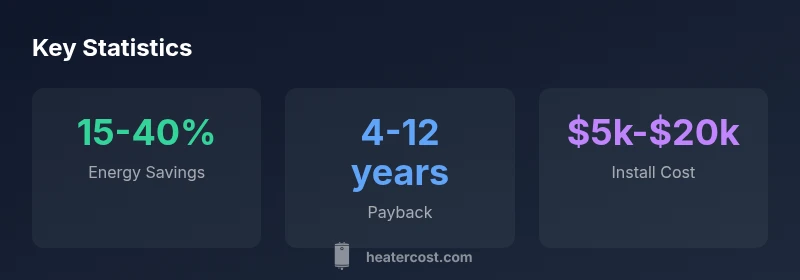
Investing in a green house heater involves balancing upfront costs with long-term savings. Heat pumps typically offer moderate to high upfront costs but substantially lower operating expenses, especially when paired with efficient insulation and solar generation. Pellet stoves provide lower upfront costs but rely on ongoing fuel purchases and maintenance. Solar-assisted systems can reduce energy bills but require solar capacity and potential storage solutions. In all cases, calculating the total cost of ownership is essential: consider installation, permits, equipment life, fuel or electricity costs, maintenance, and potential incentives. A well-sized green house heater will deliver energy savings over time, helping to offset initial expenditures even in markets with higher electricity costs. When evaluating options, compare not just the purchase price but also installation complexity, code requirements, and expected maintenance needs over the system’s life.
Installation, permits, and maintenance
Installing a green house heater often involves more than selecting a device. Permitting, venting, electrical work, and refrigerant handling require professional technicians and careful planning. Before installation, have an energy audit performed to identify air leaks and insulation gaps that, if left unaddressed, will erode performance. Regular maintenance is essential for any green house heater: clean filters, inspect ducts, service heat exchangers, and monitor refrigerant levels. A smart thermostat with zones can optimize energy use, while routine inspections help catch issues before they become costly repairs. If retrofitting an older home, consider phased upgrades to minimize disruptions and maximize the return on investment. A thoughtful approach to installation, permits, and maintenance ensures long-term reliability and efficiency.
Real-world scenarios: case studies
Consider a mid-sized home in a temperate climate upgrading from an electric resistance baseline to a green house heater. By installing an air-source heat pump combined with radiant floor heating and improving attic insulation, the home experiences improved comfort, lower energy bills, and reduced emissions compared to the baseline. In a colder climate, a pellet stove paired with a solar preheating loop can deliver consistent heat even during winter spikes, while geothermal adds additional resilience and low operating costs. These scenarios illustrate that there isn’t a single best option for every home; the optimal choice depends on climate, energy prices, home envelope, and occupancy patterns. The common thread in all successful projects is a holistic plan: high-efficiency equipment, proper sizing, and comprehensive insulation work.
Energy policy and incentives
Many regions offer incentives tied to energy efficiency upgrades and renewable heating. Tax credits, rebates, or utility incentives can significantly reduce the net cost of a green house heater. Programs vary by location, so check local energy offices, rebate portals, and utility websites for the latest opportunities. Even partial incentives can improve the payback period and accelerate the time to breakeven. When evaluating options, factor in the effective price after incentives to compare apples-to-apples against conventional systems. This policy landscape reinforces the value of green house heater investments by lowering barriers to adoption and encouraging long-term energy resilience.
Green heating option comparison
| Option | Typical Efficiency | Typical Installation Cost | Notes |
|---|---|---|---|
| Air-source Heat Pump | 3.0-4.5 COP | 5,000-12,000 USD | Best for moderate climates |
| Geothermal Heat Pump | 3.5-5.0 COP | 15,000-40,000 USD | Higher upfront, very low running costs |
| Pellet Stove | 80-90% efficiency | 2,000-5,000 USD | Requires fuel and venting |
Got Questions?
What counts as a green house heater?
A green house heater relies on highly efficient, low-emission technology to heat homes. It includes systems like heat pumps, solar-assisted setups, and biomass options when fuels are responsibly sourced. The goal is to reduce emissions and energy use while maintaining comfort.
A green house heater uses efficient, low-emission technology to heat your home, like heat pumps or solar-assisted systems, with a focus on reducing energy use.
Which green heating option is best for very cold climates?
Geothermal heat pumps or pellet-solar hybrids are commonly favored in very cold climates due to their resilience and stable performance. They may involve higher upfront costs but offer strong long-term energy savings.
Geothermal or pellet-solar hybrid systems are often best for very cold climates because they perform reliably and save more over time.
Are green heaters expensive to install?
Upfront costs vary by technology and home. Heat pumps are medium to high in cost, geothermal is higher, while pellet stoves are typically lower. Always factor in installation, sizing, and potential permits when budgeting.
Costs vary—heat pumps can be mid to high, geothermal is higher, pellet stoves are usually lower. Budget for installation and permits.
Can I retrofit my existing home to use a green house heater?
Yes, many homes can be retrofitted with a green house heater. The best outcomes come from improving insulation first, then selecting a compatible heating technology and adding smart controls.
Most homes can be retrofitted with a green heater; start with insulation and then pick a compatible system.
Do tax credits or incentives apply to green house heaters?
In many regions, there are tax credits, rebates, or utility incentives for energy-efficient heating upgrades. Check local programs and utility portals for current offers and eligibility criteria.
Yes, many areas offer incentives—check local programs to see what's available for your upgrade.
“Green heating is not a single product; it’s a system approach that optimizes efficiency through proper sizing, durable equipment, and smart controls.”
The Essentials
- Evaluate climate first to choose a system.
- Prioritize envelope improvements before upgrading heating.
- Consider total cost of ownership, not just upfront price.
- Pair efficient equipment with smart controls for best results.
- Check local incentives to shorten payback periods.