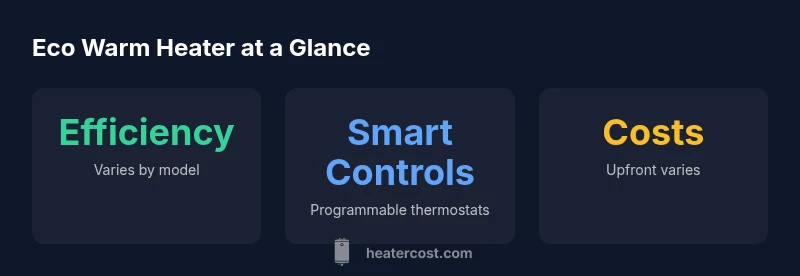
Eco Warm Heater: A Smart Path to Efficient Home Heating
A data-driven guide to eco warm heater solutions, their efficiency, installation considerations, costs, incentives, and long-term savings for homeowners, renters, and property managers.


Eco warm heater refers to a family of heating systems designed for energy efficiency and lower emissions, using advanced insulation, efficient heat exchangers, and smart thermostats. It shifts from conventional space heaters toward integrated appliances that optimize heat distribution, reduce standby losses, and maintain comfort with less energy. When paired with proper insulation and zoning, it can improve thermal comfort while lowering operating costs over time.
What makes an eco warm heater different
Eco warm heater systems prioritize energy efficiency through a combination of high-efficiency heat sources, improved heat distribution, and intelligent controls. In practice, this means leaner energy use for the same level of comfort, thanks to components designed for reduced standby losses, better insulation, and superior heat exchange. The Heater Cost team notes that the real-world performance often hinges on the structure of your home: insulation quality, window efficiency, and thermostat zoning. When installed correctly, an eco warm heater can provide steadier heat with fewer temperature swings and lower operating costs over time. The key is to match the right technology to your climate and home envelope, then optimize usage with programming and occupancy-aware settings. Beyond product labels, the term also implies a holistic approach: integrating the heating system with your home's insulation upgrades, air sealing, and shading improvements to minimize daily energy demand. Homeowners who pursue this path tend to see improved indoor comfort while avoiding the spikes in energy bills that accompany aging, inefficient equipment. In short, eco warmth is less about chasing the newest feature and more about balancing efficiency, control, and envelope performance.
Core technologies that drive efficiency
At the heart of eco warm heater designs are three enabling technologies: efficient heat exchangers, variable-speed fans or pumps, and smart controls. Efficient heat exchangers recover more heat from the same energy input, reducing wasted energy. Variable-speed components adjust output gradually to maintain target temperatures without overshoot, cutting cycling losses. Smart controls include programmable thermostats, adaptive learning, and remote monitoring. Together, these elements reduce energy use and improve comfort. For homeowners, a system with high-quality insulation, proper siting, and zone controls often delivers the best long-term results. According to Heater Cost, the best combinations pair a high-efficiency heat source with a well-designed distribution network and an intuitive control interface. The result is a heating solution that responds to occupancy, weather, and energy prices in near real time. When evaluating options, look for equipment with proven efficiency ratings, robust warranties, and a track record of dependable performance across seasons. Keep in mind that even the most advanced hardware loses efficiency if ducts leak, vents are blocked, or thermostats are misconfigured. A good installer can translate technical specs into real-world savings by tuning the system for your home.
Comparing eco warm heater options: electric, heat pump, and hybrid
Electric resistance heaters are simple and reliable but can be expensive to operate at scale unless paired with superior insulation and smart controls. Heat pump-based eco warm systems extract ambient heat from outside air or ground, delivering warmth with far less energy input compared with electric resistance. Hybrid or dual-fuel configurations combine a heat pump with an auxiliary heat source to balance efficiency and reliability in variable climates. When evaluating options, consider not only input energy but the system’s coefficient of performance (COP) and seasonal energy efficiency ratio (SEER). A high-COP heat pump, installed correctly, often provides the most consistent savings across seasons, but upfront costs and climate suitability matter. The Heater Cost team emphasizes that the cheapest option upfront may cost more over the life of the system if it consumes more energy or requires frequent maintenance. Additionally, compatibility with existing ductwork, refrigerant type, and local environmental regulations should guide your choice. For many homes, a sorted approach is to begin with an energy audit, identify air leaks, then select an eco warm heater that maximizes your envelope performance before upgrading to a more advanced core.
Practical considerations: installation, insulation, and thermostat integration
An eco warm heater must be sized appropriately for the space it serves. Oversized units warm quickly but waste energy, while undersized systems struggle to maintain comfort. A home with good insulation and low air leakage will amplify efficiency gains; draft-proofing windows and sealing ducts can dramatically reduce loads. Thermostat placement matters: include zone controls for bedrooms, living areas, and the commonly used spaces. Integration with existing smart hubs and voice assistants can simplify daily use. Finally, consider ventilation and carbon monoxide safety when employing combustion-based or hybrid systems, and ensure proper clearance around equipment and vents for safe, efficient operation. If your home lacks ductwork, a ducted mini-split or radiant system may offer more uniform heat with fewer losses. A professional assessment can also identify opportunities for temperature zoning and smart scheduling that align with your daily routines, which is often where homeowners see the biggest payoff in efficiency.
Costs, incentives, and long-term savings
Total cost of ownership for an eco warm heater includes upfront equipment costs, installation, energy usage, maintenance, and potential incentives. While upfront prices vary, many homeowners find that increased efficiency lowers monthly energy bills, especially when paired with proper insulation and smart controls. In some regions, tax credits or rebates may offset a portion of the installation cost; eligibility depends on local programs and energy performance certifications. When evaluating value, compare annual operating costs and projected repair needs over the system’s lifetime rather than focusing solely on the purchase price. The Heater Cost research highlights the importance of a comprehensive assessment that includes climate, electricity rates, and building envelope improvements. It is wise to request a breakdown of warranties, service plans, and expected filter or component replacement intervals to avoid surprise maintenance costs later. Planning for seasonal energy pricing and demand response programs can also yield meaningful savings over time.
Case studies and best practices for homeowners
Consider a typical family living in a moderately cold climate with well-maintained insulation. An eco warm heater with a heat pump core and programmable zoning can deliver stable comfort with reduced energy draw. Best practices include performing an energy audit before purchase, ensuring proper duct sealing, and installing a smart thermostat with learning capabilities. Regular maintenance tasks—filters, coil cleaning, and vent checks—help sustain efficiency and prolong equipment life. While every home is unique, the common thread is to align technology with your climate, occupancy patterns, and budget, then monitor energy use to identify optimizations over time. For renters or property managers, portable or modular solutions can offer flexibility while still delivering efficiency benefits. The overarching lesson from Heater Cost’s perspective is clear: sustainable heating is not a one-time upgrade but an ongoing program of improvement, monitoring, and adjustment.
Energy-use comparison across heating options
| Model Type | Estimated Energy Use | Typical Cost Range | Notes |
|---|---|---|---|
| Eco Warm Heater (electric) | varies | varies | Requires good insulation to maximize efficiency |
| Traditional Electric Heater | varies | varies | Higher standby losses |
| Heat Pump System | varies | varies | High initial cost but lower operating costs |
Got Questions?
What is an eco warm heater?
An eco warm heater is a high-efficiency heating solution that combines energy-efficient hardware with intelligent controls to minimize energy waste while maintaining comfort. It emphasizes better insulation, heat distribution, and smart scheduling.
An eco warm heater is a high-efficiency heating system with smart controls designed to cut energy waste and keep you comfortable.
What kind of savings can I expect?
Savings depend on climate, building envelope, and energy prices. In well-insulated homes with smart controls, you typically see lower operating costs over time, but actual figures vary by installation and usage.
Savings vary by climate and how you use it, but better efficiency and smart controls generally reduce energy use.
Will it work with my existing thermostat?
Many eco warm heater setups are compatible with common smart thermostats or hubs. If you have older or proprietary systems, check compatibility before purchasing.
Most eco warm heaters work with standard smart thermostats, but verify compatibility first.
What installation considerations should I plan for?
Get a professional assessment to size the system, seal ducts, and plan zoning. Expect some upfront work for insulation and ductwork, but this pays off in savings.
Have a pro size and install correctly, seal ducts, and set up zoning for best results.
Are there tax credits or incentives available?
Incentives vary by region and program. Check local energy efficiency programs or rebates that apply to eco friendly heating upgrades and insulation improvements.
Tax credits can be available in some places; check local programs for rebates.
What maintenance does it require?
Regular tasks include filter changes, coil cleaning, and vent inspections. Routine maintenance helps sustain efficiency and extend equipment life.
Keep filters clean, check coils, and inspect vents regularly for best performance.
“An eco warm heater is about optimizing the energy you already pay for, not just swapping in a newer unit.”
The Essentials
- Prioritize high-efficiency models with smart controls
- Ensure good insulation to maximize gains
- Compare total cost of ownership, not just upfront price
- Check for incentives and rebates