Can You Put a Heater in a Greenhouse? A Practical Guide
Learn whether you can safely heat a greenhouse, compare heater types, sizing, safety, and cost considerations with practical steps from Heater Cost.


Yes, you can put a heater in a greenhouse, but choosing the right type, size, and safety setup is crucial. This quick guide outlines safe installation practices, heat source options (electric vs gas), and essential steps to prevent drafts, frost, and fire hazards while keeping energy costs in check. This answer helps you decide quickly.
Can a heater be used in a greenhouse? Safety and basic feasibility
can you put heater in greenhouse? This is a question many homeowners and growers ask when planning winter crops or frost protection. The short answer is: most greenhouses can be heated safely, but success depends on choosing the right heat source, sizing it properly, mounting it with appropriate clearances, and implementing robust safety devices. According to Heater Cost, the premise is straightforward: heat only what you need, keep heat away from flammable materials, and monitor conditions continuously. The climate, insulation, and crop tolerance will determine whether you need a modest supplemental heater or a more capable system. In practice, many small-to-medium greenhouses rely on electric space heaters or purpose-built greenhouse units that distribute warmth evenly without creating hot spots. Fuel-burning options can work too, but they require venting, CO monitoring, and careful air balance to avoid hazardous exposures. The goal is to maintain a stable environment for plant growth while minimizing energy waste and risk to occupants.
Choosing the right heater type for a greenhouse
Choosing the right heater type is the foundation of reliable greenhouse warmth. Electric space heaters are common for small to medium spaces because they are easy to install, controllable, and clean. If you opt for gas or propane, you gain significant heat but introduce combustion byproducts that must be vented and monitored. Radiant heaters deliver heat directly to plants and workers, while convection units warm the air to reduce cold pockets. Consider insulation level, door openings, and ventilation when choosing. For many growers, a hybrid approach—electric baseboard or compact unit complemented by a solar or passive heat strategy—offers a balance between reliability and energy savings. Always compare heat distribution patterns, startup costs, and running costs over a typical winter. Remember that not all heaters are built for damp greenhouse environments; look for moisture-rated housings and corrosion-resistant components. In practice, your choice should align with crop type, climate, roof height, and whether you already have a power source on site. The Heater Cost team notes that starting with a modest, well-proven option and upgrading as needs evolve reduces risk.
Sizing and placement: heat efficiently without waste
Sizing a greenhouse heater properly starts with understanding space and crop needs. Measure the greenhouse in three dimensions to compute volume, then account for insulation, vents, door openings, and typical winter lows. A heater that is too small will cycle constantly and waste energy, while an oversized unit can create hot spots and excessive drying. Placement matters: mount units away from plastic panels and near areas where heat may be lost through doors or poorly insulated corners. Use a distribution strategy that minimizes drafts—position heaters to complement natural circulation, avoid blocking vents, and keep pathways clear for safe maintenance. Coupled with a thermostat and remote sensor, smart control helps maintain a stable environment, reducing temperature swings that stress plants. Finally, consider a backup plan for power outages or extreme cold, such as manual heat sources or passive heat retention methods like thermal curtains. The goal is even warmth with minimal energy waste, not just a single temperature target.
Safety and compliance considerations when heating greenhouses
Safety is non-negotiable when heating a greenhouse. Always follow manufacturer installation instructions, and check that electrical components, gas lines, and venting meet local codes. Install a thermostat with a remote sensor so you aren’t falsely convinced the space is warm when heat is gagging near the door or vents. A CO detector is essential if you use fuel-burning heaters, and a smoke detector adds another layer of protection. Ensure clearances around the heater meet the manufacturer’s specifications and keep flammable materials away from heat sources. Use a dedicated circuit or a heavy-duty outlet with GFCI protection, and consider adding a surge protector to guard against power surges. Finally, ensure adequate ventilation to balance humidity and prevent mold growth, especially in enclosed spaces. The Heater Cost team emphasizes planning for safety upfront to avoid costly mistakes later.
Cost considerations and energy efficiency tips
Heating a greenhouse involves energy costs that can be managed with smart choices. Start by insulating where heat escapes, using removable thermal curtains at night, and sealing gaps around doors and vents. Choose energy-efficient heaters designed for damp environments, and pair them with a reliable thermostat and timer to avoid unnecessary operation. Optimize heat distribution with fans or baffles to prevent hot spots and ensure even warmth. Consider using passive solar heat and windbreaks to reduce demand during milder days. Regular maintenance of seals, filters, and vents keeps the system efficient and extends equipment life. Although prices vary by region and system, the goal is to minimize energy use while maintaining crop-friendly temperatures, not to overspend on oversized equipment. The Heater Cost approach focuses on balancing upfront equipment costs with ongoing energy savings and crop yield benefits.
Do-it-yourself vs professional installation: pros/cons
DIY installation can save money and help you learn, but it carries safety risks if you’re not confident with electrical wiring, gas lines, or high-temperature equipment. A professional installer brings code compliance, accurate sizing, and tested wiring or gas connections. For complex setups, such as propane or natural gas heaters, a licensed technician can ensure venting and combustion safety are spot on. If you choose to DIY, select a model rated for greenhouse use, follow the manufacturer’s installation manual closely, and have a plan for periodic inspection by a professional. In either case, keep a clear maintenance schedule and verify that all safety devices—thermostats, CO detectors, smoke alarms—are functional after installation.
Maintenance, troubleshooting, and common fixes
Regular maintenance extends heater life and reduces the risk of failure when you need heat most. Schedule monthly checks of vents, fans, and electrical connections, and clean dust from coils or vents to maintain efficiency. If you notice uneven heating, check thermostat placement and ensure sensors aren’t shaded or blocked by equipment. For gas heaters, test CO detectors and inspect venting for blockages or leaks. If you encounter a persistent fault, consult the manufacturer’s guide or a qualified technician rather than attempting risky field repairs. By staying proactive, you keep the greenhouse warm, crops healthy, and equipment reliable.
Authority sources
- Energy.gov: Heating Your Home and Efficient Space Heating https://www.energy.gov/energysaver/heating-your-home
- University Extension: Greenhouse Heating and Ventilation https://extension.umn.edu/greenhouse-ventilation
- Extension: Greenhouse Heating Tips https://extension.illinois.edu/resources/greenhouse-heating-tips
Tools & Materials
- Electric greenhouse heater (space heater or unit rated for greenhouses)(Choose model designed for high humidity and damp environments; look for IP ratings and metal housing.)
- Thermostat with remote sensor(Place sensor away from direct heat plumes and draft paths for accurate readings.)
- CO detector (for fuel-burning heaters)(Install near heater and away from vents; test regularly.)
- Thermal or smoke detectors and a fire extinguisher(Keep accessible; check expiration dates and replace as needed.)
- Ventilation fan or louvers(Optional for moisture and humidity control; helps prevent mold.)
- Surge protector and dedicated circuit(Use a grounded, water-protected outlet if possible; avoid daisy-chaining.)
- Fuel source (propane tank or gas line) if using gas(Only included if your heater is gas-powered; require professional connection and venting.)
Steps
Estimated time: 2-6 hours
- 1
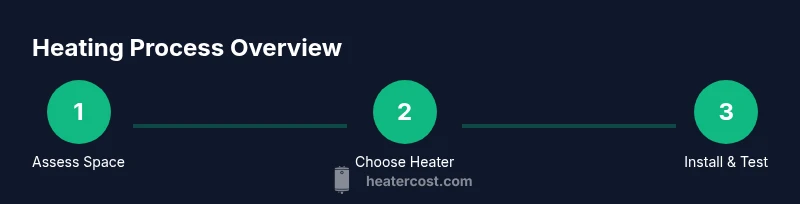
Assess space and heat needs
Measure the greenhouse and list crops, growth stage, and desired minimum night temperatures. Note door openings, venting capacity, and insulation level to estimate heat load. This helps determine whether you need a small electric heater or a more robust system, and guides placement decisions.
Tip: Measure length, width, and peak height; capture all areas where heat may escape like doors and vent gaps. - 2
Select heater type and size
Choose electric or gas-based options based on available power, ventilation, and local codes. Use manufacturer guidelines to select a unit that covers the greenhouse volume without excessive cycling. If unsure, start with a modest, proven model and plan for an upgrade if crop needs grow.
Tip: Consult a heat-load calculator or local extension service to confirm size before purchase. - 3
Plan safety devices and clearances
Decide on thermostat placement, CO/SMOKE detectors, and clearances around the heater. Create a dedicated safe zone with minimal combustible materials nearby. Ensure moisture-resistant enclosures and outlets, and verify ventilation routing.
Tip: Document clearance distances and safety device locations for quick reference during maintenance. - 4
Install heater and thermostat
Mount the heater according to manufacturer instructions, ensuring stable mounting and correct orientation for heat distribution. Run wiring or gas lines per code, install the thermostat with a probe in the warm zone, and connect to a safe power source with surge protection.
Tip: If you’re wiring electric heaters, consider a licensed electrician for safety and code compliance. - 5
Wire power and set controls
Connect to a dedicated circuit, install a GFCI outlet if needed, and program the thermostat with a seasonal schedule. Verify that power is off during installation and test the system with a cold start before loading plants.
Tip: Use a battery-powered timer as a backup planning tool for outages. - 6
Test operation and adjust
Power on and observe heat distribution, ensuring no cold pockets form. Adjust sensor placement, airflow, and venting as needed. Document operating temperatures for different crops and seasons.
Tip: Keep a log of temperatures and adjustments to guide seasonal changes. - 7
Maintain and schedule follow-ups
Schedule regular inspections of vents, electrical connections, and seals. Clean heat exchangers and vents monthly to maintain efficiency. Plan annual professional checks for gas systems if used.
Tip: Set calendar reminders for maintenance checks twice a year or after extreme weather.
Got Questions?
Can I heat my greenhouse with an electric space heater?
Yes, electric space heaters can heat a greenhouse, but ensure proper wattage, a dedicated circuit, and safety devices.
Electric heaters can heat a greenhouse, but you need the right wattage, a dedicated circuit, and safety devices.
What safety devices are essential when heating a greenhouse?
Thermostat, CO detector for gas units, smoke detector, and proper ventilation are essential safety devices.
Thermostat and CO detector are essential, plus ventilation and a fire extinguisher.
How do I determine the right heater size for my greenhouse?
Calculate heat load from greenhouse volume, insulation level, and climate; use manufacturer guidelines or consult a pro.
Calculate heat load using volume and insulation, then follow guidance or ask a pro.
Are gas-powered heaters safe in a greenhouse?
Gas heaters require proper venting, CO detection, and seal integrity; electric options reduce CO risks.
Gas heaters can be safe if vented and monitored.
Do I need permits to install a greenhouse heater?
Permits depend on local codes; check with local building department and any greenhouse structure modifications.
Local codes vary; check with your building department.
How often should I inspect and maintain a greenhouse heater?
Inspect monthly for leaks, dust, and vent blockages; service annually or as recommended by the manufacturer.
Check monthly and service yearly.
Watch Video
The Essentials
- Size heater to heat load and insulation.
- Use safety devices and ensure proper clearances.
- Prefer energy-efficient models and insulation to cut costs.
- Monitor performance and adjust with seasons.
- Maintain a proactive maintenance schedule.