Electric Patio Heater Guide: Costs, Performance, and Tips
A data-driven guide to electric patio heaters—costs, efficiency, sizing, installation, and maintenance for 2026. Learn how to heat outdoor spaces effectively while controlling energy use.


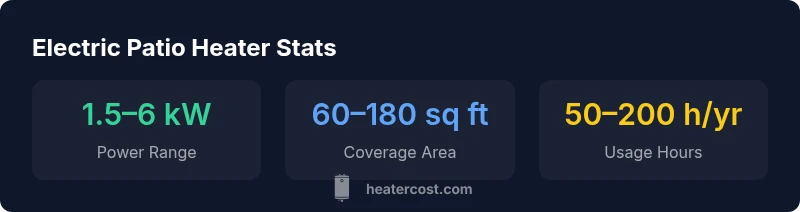
Electric patio heaters commonly run from 1.5 kW to 6 kW, enabling targeted warmth for outdoor spaces. Size, usage duration, and local electricity rates together determine comfort and operating costs. Proper placement, regular cycling, and thermostat controls help balance warmth with energy efficiency across shoulder seasons.
How electric patio heaters work and why they're popular
Electric patio heaters heat outdoor spaces by emitting infrared radiation that warms people and objects rather than the surrounding air. They run on electricity, producing clean heat without combustion, which makes them safer for many setups such as patios, decks, and balconies. Models are available as freestanding towers, wall-mounted units, and ceiling-mounted panels, allowing flexible installation. The heat is immediate, with no fuel storage or exhaust to manage, and maintenance is typically minimal. From a cost-standpoint, heaters offer straightforward, predictable energy use when sized to the space and used with timers. According to Heater Cost, proper sizing and placement are critical factors that determine warmth quality and energy efficiency for your outdoor living area.
In contrast to gas patio heaters, electric models produce heat with nearly instantaneous response times and usually incorporate safety features like tip-over switches and weatherproof enclosures. This combination of control, safety, and ease of use explains why many homeowners choose electric options for covered terraces, sunrooms, or open patios where venting and fuel safety concerns are less favorable. When evaluating options, consider the heater type (infrared vs radiant convection), mounting method, and the environment where the unit will operate. The goal is to deliver warmth to people, not just the air, while maintaining a comfortable temperature balance during cool evenings.
Sizing and placement for your electric patio heater
Choosing the right electric patio heater starts with the space you want to heat and how you intend to use it. A typical guideline is to match wattage to the area exposed to cold air and wind; common ranges span from about 1.5 kW for small patios up to 6 kW for larger decks. For a 60–120 square foot seating area, a 1.5–2.5 kW unit is often sufficient; for larger zones up to 180 square feet, 3–4 kW can provide comfortable warmth, while very open spaces may benefit from higher wattage or supplementary units. Placement matters: position heaters where heat can reach seating without creating hot spots for bystanders, and shield the unit from strong winds where practical. Ceiling-mounted panels should be installed with safe clearance from ceilings and fixtures, while freestanding units should be anchored for stability in breezy conditions. Always check product-specific guidance and local codes.
Key data points for electric patio heater sizing and usage
| Aspect | Low range | High range | Notes |
|---|---|---|---|
| Power rating (typical) | 1.5 kW | 6 kW | Covers 60–180 sq ft depending on model |
| Annual operating hours | 50–200 | 50–400 | Depends on usage patterns and climate |
| Heating area covered | 60–120 sq ft | 180–300 sq ft | Depends on wattage and outdoor exposure |
Got Questions?
Do electric patio heaters use a lot of electricity?
Electric patio heaters can be energy-efficient when sized correctly for the space and used with timers. The overall cost depends on wattage, run time, and local electricity rates. Pairing a heater with a thermostat or timer helps minimize unnecessary usage while maintaining comfort.
Yes, but it can be economical with proper sizing and smart controls.
What is the typical size of an electric patio heater?
Most consumer models range from about 1.5 kW to 2.6 kW for small to medium patios, while larger or premium units can reach around 3–6 kW. The best choice depends on space, wind exposure, and how many people you want to heat.
Most homes use 1.5 to 2.6 kW for small areas, higher for larger spaces.
Are electric patio heaters safe for covered patios?
Yes, electric patio heaters are generally safe for covered patios when installed according to manufacturer guidelines and local codes. Look for weatherproof ratings, proper electrical protection, and safe clearance from combustibles.
Yes, with proper installation and weatherproofing.
Can I install an electric patio heater myself?
Many freestanding and some wall-mounted units are designed for DIY installation, but you should still follow the manufacturer’s mounting instructions, use a grounded outlet or hardwired connection if required, and consider a professional for complex setups or high-wattage units.
DIY is possible for simple units, but check local codes.
What maintenance do electric patio heaters require?
Maintenance is typically minimal: keep the surface clean, check cords and plugs for damage, and inspect weatherproof seals periodically. Seek professional help if you notice reduced heat output or unusual smells.
Keep it clean and check the cord; routine checks help avoid issues.
Infrared vs radiant electric heaters: which is better?
Infrared heaters directly warm people and objects, creating efficient comfort in outdoor spaces. Radiant electric heaters share the same principle and are generally preferred for patio use due to targeted warmth and quick response.
Infrared and radiant terms often describe the same heat method; both are effective outdoors.
“Electric patio heaters provide controllable warmth without combustion, making outdoor comfort practical when properly sized and installed.”
The Essentials
- Choose wattage that matches your space
- Place heaters to minimize heat loss and protect heat from wind
- Use timers/thermostats to optimize energy use
- Prioritize safety features and weather ratings
- Factor in installation method and warranty when budgeting