Cheapest Ways to Heat a House with Electricity in 2026
Discover affordable electric heating strategies for homes in 2026. Compare options, improve insulation, optimize thermostats, and use zoning to minimize costs while staying comfortable.


The cheapest way to heat a house with electricity combines high-efficiency equipment, tight insulation, and smart controls. Start with proper air sealing and insulation; then choose an efficient electric heater system (like a heat pump or modern baseboard/infrared with precise thermostats); and use zone heating to avoid warming unused spaces. A programmable thermostat plus seasonal maintenance reduces wasted energy and lowers bills.
Cheapest way to heat a house with electricity: overview
The question of how to heat a home affordably with electricity centers on three pillars: building envelope, equipment efficiency, and smart controls. According to Heater Cost, the most reliable path starts with sealing air leaks and boosting insulation so that warm air stays inside longer. From there, you select an electric heating strategy that matches your climate and occupancy patterns, and you deploy thermostats and zoning to ensure heat goes only where it’s needed. When these elements align, the result is a noticeable drop in energy use and a more predictable monthly bill. This approach also keeps comfort steady across shoulder seasons and cold snaps, reducing the temptation to overheat the whole house. In practice, homeowners who invest in envelope improvements first often see the greatest long-term savings, even before upgrading individual heaters. The Heater Cost team emphasizes that a thoughtful sequence—from envelope to equipment to controls—helps you achieve the cheapest outcomes without sacrificing warmth or health.
As you plan, remember that the cheapest path is highly dependent on local electricity prices, climate, and home design. Regionally, pricing structures may favor some strategies over others, and a well-insulated home can dramatically lower the required heating load. By focusing on efficiency first and equipment second, you create a resilient system that pays back over time. This guidance aligns with Heater Cost Analysis, 2026, which highlights practical steps homeowners can take today to reduce electric heating costs while maintaining comfort levels.
How electric heating costs work
Electric heating costs hinge on three main variables: the price of electricity, the heat load your home requires, and the efficiency of your heating system. Electricity is typically billed per kilowatt-hour (kWh), with some regions offering time-of-use rates that charge different prices depending on the hour of day. A well-insulated home reduces the number of kWh needed to maintain comfort, while an efficient heater converts more of the energy into usable heat rather than losing it as waste heat. When you combine lower consumption with favorable rates, even higher-efficiency electric systems can end up cheaper to operate than older, less efficient ones. The key is to map your usage across seasons and identify peak periods where switching to off-peak times or using zoning can yield meaningful savings. Heaters that respond quickly to changing conditions—paired with intelligent controls—tend to maintain comfortable temperatures using fewer kilowatt-hours overall.
Pricing is highly regional and can vary with policy, fuel mix, and utility incentives. The Heater Cost team notes that many homes benefit from using a programmable thermostat and understanding rate structures to optimize daily usage. In practice, you’ll see the greatest savings when you align your heating pattern with actual occupancy and outdoor temperatures, rather than maintaining a constant, high setpoint throughout the day.
Electric heating options and how they compare
Electric heating options fall mainly into three categories: resistive electric heaters (baseboard, convectors, infrared), heat pumps, and electric boilers. Resistive heaters are simple and inexpensive to install but tend to be more expensive to operate in larger spaces due to lower efficiency. Infrared and panel heaters can target occupants and reduce heat transfer losses, but they don’t automatically heat empty rooms, which can waste energy. Heat pumps are typically the most efficient electric option in moderate climates because they move heat instead of generating it. In very cold climates, a supplemental heater or dual-stage system may be necessary to maintain comfort without oversizing. Electric boilers, while less common for homes, can pair with hydronic radiators to deliver even, consistent warmth with lower running costs than direct resistance heat when properly sized. The right choice depends on climate, home layout, and whether you have ducts or radiant systems. The goal is to maximize energy conversion efficiency while minimizing heat loss through the building envelope. In many cases, a heat pump combined with good insulation provides the cheapest heating solution for mixed climates, followed by zone-based electric resistance where heating load is uneven.
Insulation and air sealing's impact on cost
Insulation and air sealing are the cornerstone of affordable electric heating. A well-sealed home minimizes drafts, reduces heat loss, and stabilizes indoor temperatures so the heating system works less hard. Focus on sealing attic and rim-joist leaks, weatherstripping doors and windows, and addressing crawl spaces or basements that might act as heat sinks or cold bridges. Upgrading insulation in the attic, walls (where feasible), and floors above unheated spaces can yield noticeable improvements in comfort and monthly energy use. Remember that even small air leaks—around outlets, plumbing penetrations, and electrical boxes—can waste significant heat over time. The most cost-effective approach is often to combine air sealing with targeted insulation upgrades rather than replacing heating equipment first. The payoff is a lower heat load that makes even modest electric heaters operate more efficiently. As you plan upgrades, compare costs and long-term savings to avoid chasing short-term payoffs that offer little return.
Zoning and thermostat strategies to save money
Zoning breaks a home into smaller heating areas, letting you heat occupied rooms without warming the entire house. This is especially effective in larger homes or seasonal spaces where usage varies. Pair zoning with a smart, programmable thermostat to set different temperatures by room or zone and to automatically adjust as occupancy patterns change. For example, bedrooms can be cooler at night, while living spaces stay warmer in the evening. If your system supports it, add room sensors to balance temperatures more precisely. In practice, zoning combined with smart controls can deliver savings by preventing energy from being spent heating unoccupied spaces. It also provides a smoother, more consistent indoor climate, reducing the need to overshoot comfort levels to compensate for poorly zoned heating.
Seasonal planning and maintenance that cut costs
Seasonal maintenance keeps electric heating systems performing at peak efficiency. In spring and fall, inspect sealing and insulation, replace or clean filters if you have a heat pump, and ensure outdoor units are clear of debris. In winter, program schedules to reduce heat in unoccupied rooms and adjust settings for outdoor temperatures. Regularly review usage patterns and bills to identify abnormal spikes that might indicate leaks, thermostat drift, or improper settings. Proactive maintenance reduces the likelihood of expensive repairs or energy waste, and it extends the life of your equipment. If you have solar or storage options, align them with winter demand to maximize savings.
A practical habit is to keep a simple heating log for a season, noting outside temperatures, thermostat settings, and room comfort levels. This data helps you fine-tune controls and zone heating, increasing comfort while keeping costs down.
Practical steps to implement a low-cost electric system
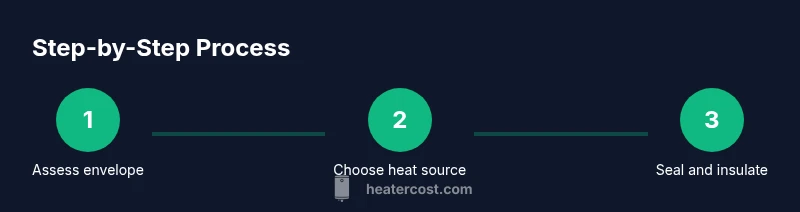
Building a cost-effective electric heating plan starts with a clear assessment of your home’s envelope and usage. Then you select a heating strategy that matches climate and occupancy, install smart controls, and seal leaks before you add significant equipment. Finally, you implement a maintenance routine and monitor energy usage to identify and address waste. The sequence emphasizes envelope improvements first, followed by efficient heating equipment and precise control strategies. This order often yields the biggest long-term savings while maintaining comfort in all seasons.
Common myths about electric heating debunked
A common myth is that electric heating cannot be affordable. In reality, a well-insulated home with a modern heat pump or properly sized electric system can be cheaper to operate than aging electric resistance heaters, especially with smart controls and zoning. Another misconception is that all electric heat is expensive; the truth is that efficiency, climate, and rate structures determine costs. Finally, some assume electric heat is unsuitable for very cold climates; modern heat pumps work well in many cold areas with supplemental heating when needed. Understanding the truth behind these myths helps homeowners make informed decisions and avoid costly missteps.
When to consider alternatives or incentives
If your home’s heat load is very large or your climate is extremely cold, supplementary strategies may be worth exploring. Local programs, rebates, and incentives can offset equipment upgrades and insulation improvements. Consider evaluating solar or battery storage as part of a broader strategy to reduce dependence on grid electricity during peak periods. Before making a decision, consult a qualified HVAC professional who can size systems, assess insulation, and identify the most cost-effective plan for your climate and budget.
Tools & Materials
- Programmable/Smart Thermostat(Look for room sensors and scheduling features; Wi-Fi is optional but helpful.)
- Weatherstripping kit(Seal doors and windows to reduce drafts; replace worn weatherstripping.)
- Caulk and sealant(Seal gaps around window frames, pipes, and recessed lighting housings.)
- Insulation upgrades(Attic and rim joists are common priorities; upgrade where feasible.)
- Heat pump or efficient electric heater(Consult a professional for proper sizing and installation.)
- Zone controls or multiple room thermostats(Facilitates heat distribution by living area; optional but beneficial.)
Steps
Estimated time: 2-6 hours
- 1
Assess current energy use and envelope
Gather last year’s energy bills and inspect your home for drafts. Note attic access, basement walls, and window quality to understand where heat loss is most significant. This baseline will guide the sequence of improvements.
Tip: Use a simple room-by-room checklist to identify the biggest heat losses. - 2
Choose an electric heating strategy
Evaluate climate, space layout, and whether you have ducts. If appropriate, plan for a heat pump as the primary heating source; otherwise, map out zoned electric resistance options for key living areas.
Tip: Consult a professional to confirm system sizing based on climate and home layout. - 3
Seal and insulate first
Seal all obvious air leaks around doors, windows, and attic hatches. Add insulation where gaps exist, focusing on the attic and rim joists. The goal is to reduce heat loss before equipment upgrades.
Tip: Perform a blower door test if possible to identify hidden leaks. - 4
Install smart controls and zoning
Set up a programmable or smart thermostat with room sensors if you’re using zoned heating. Create schedules that match occupancy, lowering heat in unused spaces and during overnight hours.
Tip: Experiment with a two-week trial to refine schedules for comfort and savings. - 5
Implement seasonal maintenance
Schedule a pre-season check for heat pumps or electric heaters and replace filters as recommended. Clear outdoor units of debris and ensure proper airflow.
Tip: Set calendar reminders for seasonal maintenance. - 6
Monitor performance and adjust
Track energy usage and comfort levels after each change. If bills remain high, re-evaluate insulation, thermostat routines, and zone coverage.
Tip: Keep a simple log of temperatures, schedules, and bills to spot trends.
Got Questions?
Is electric heating always cheaper than gas?
Not always. Costs depend on energy rates, climate, and system efficiency. In many cases, modern electric systems like heat pumps offer competitive or lower operating costs when paired with good insulation and smart controls.
Electric heating can be cheaper, especially with heat pumps and good insulation, but it depends on local rates and climate.
What is the most cost-efficient electric heater for large rooms?
Heat pumps are often the most cost-efficient option for large spaces in moderate climates. For very large or poorly insulated rooms, multiple zones with smart controls can reduce overall energy use.
For large rooms, a heat pump plus smart zoning usually saves the most energy.
How does insulation impact electric heating costs?
Improved insulation reduces heat loss, which lowers the energy required to maintain comfort. This effect can be greater than upgrading heating equipment alone, especially in older homes.
Better insulation lowers the amount of energy you need to heat your home.
Can I use solar to offset electric heating costs?
Yes, solar can offset portion of electricity use and reduce bills, depending on system size and local incentives. A professional can estimate payback based on your roof, loads, and rates.
Solar panels can reduce electric bills, depending on system size and local programs.
How should I set my thermostat to save energy?
Keep temperatures moderate, use programmable schedules, and adjust for occupancy. Lowering setpoints during night and when away typically saves energy without sacrificing comfort.
Use a schedule and sensible temperatures to save energy while staying comfortable.
Are heat pumps suitable for very cold climates?
Many modern cold-climate heat pumps perform well, but you may need a supplementary heater in extreme cold. Size and climate-specific efficiency matter; a professional sizing assessment is essential.
Most cold-climate heat pumps work well, but extreme conditions may need support from another heater.
Watch Video
The Essentials
- Assess and seal the building envelope before upgrading heating equipment
- Choose efficient electric heating and enable zoning for targeted warmth
- Install programmable controls to automatically reduce usage when not needed
- Regularly monitor bills and adjust settings to sustain savings