Most Efficient Way to Heat a House: A Practical Guide for 2026
Learn the most efficient way to heat a house with practical steps, cost considerations, and tips to reduce energy use while staying comfortable year-round.


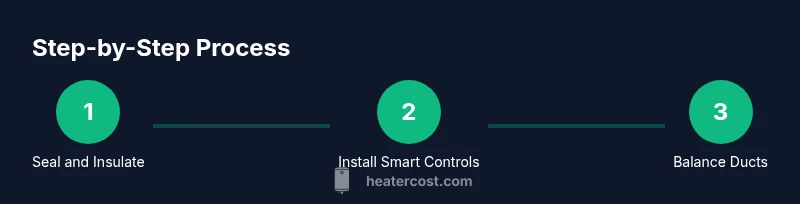
To maximize comfort and minimize costs, the most efficient way to heat a house combines high-quality insulation and air sealing with a cold-climate heat pump, a programmable smart thermostat, and zoning to heat only occupied spaces. Pair this with regular maintenance and efficient distribution, plus supplemental options during extreme cold. Start by sealing leaks, then upgrade to an efficient system as needed.
The core idea: efficiency starts with the building envelope
When homeowners ask the question the most efficient way to heat a house, it's tempting to focus on the heating system alone. Yet the real gains come from the building envelope: insulation, air sealing, and minimizing thermal bridging. According to Heater Cost, addressing heat loss at its source yields the largest, quickest dividends in comfort and annual energy bills. Start with a simple energy audit, focusing on attic and roof insulation, exterior walls, and around doors and windows. Sealing cracks with caulk and weatherstripping can cut drafts dramatically and requires only a weekend of work in many homes. In colder climates, adding radiant barriers or upgrading attic insulation can reduce heat leakage by a significant margin. The Heater Cost team found that the combination of improved insulation and tight envelopes often lowers heating demand so that the next upgrade—be it a heat pump or a more efficient furnace—accomplishes more with less energy. This is the foundation for long-term savings: every dollar saved on heat is a dollar unused to generate more heat.
Core strategies: insulation, air sealing, and windows
The building envelope sets the ceiling for efficiency. Start by ensuring the attic is properly insulated and that walls and floors don’t act as heat sinks. Use weatherstripping around doors, apply caulk to exterior cracks, and seal penetrations around pipes and electrical outlets. For windows, prioritize weatherstripping or low-emissivity films, and consider upgrading to better-performing panes if budget allows. These steps reduce heat loss dramatically, so your heating system works less hard and lasts longer. Heater Cost emphasizes that even modest envelope improvements pay back quickly through lower energy use and steadier indoor temperatures.
Heating system options: heat pumps, furnaces, boilers
Choosing the right heating system is the next lever after the envelope. Heat pumps, particularly newer models, often offer superior efficiency in many climate zones, while hybrids using a secondary furnace can provide reliable warmth during extreme weather. Traditional furnaces and boilers can be very efficient when properly sized and well maintained, but they may not match heat pumps in overall energy use in milder climates. Distribution matters too: pairing a high-efficiency system with well-sealed ducts and balanced airflow improves performance and comfort. Heater Cost notes that the best long-term value typically comes from a complete package: envelope improvements plus an appropriately matched, efficient heating system.
Thermostats, zoning, and smart controls
Smart thermostats enable precise control and learning capabilities that reduce unnecessary heating. When paired with zoning, you can heat living spaces during the day and reduce or cut heat to unused rooms. Establish schedules based on occupancy and thermostat-driven heat setback to avoid large temperature swings. Smart controls also provide energy-use data so you can identify when and where heat is being wasted, empowering ongoing optimization. The combination of zoning and smart control is often the easiest way to gain meaningful efficiency without sacrificing comfort.
Ductwork and distribution: seal, insulate, balance
Even the most efficient heater loses performance if warm air travels through leaky or poorly insulated ducts. Inspect duct runs in basements and crawl spaces, seal joints with mastic or metal tape, and add insulation to ducts located in unconditioned spaces. Balancing dampers ensure air reaches every room evenly, reducing the need to overheat one area to compensate for a cold pocket elsewhere. Proper distribution supports the overall efficiency strategy by ensuring heat travels efficiently where it’s needed.
Home performance upgrades: ventilation and moisture management
A well-sealed home still needs controlled ventilation to maintain indoor air quality and comfort. Consider heat-recovery ventilators (HRVs) or energy-refficient ventilators that exchange stale air without losing heat. Proper moisture management reduces mold risk and improves perceived warmth by preventing cold surfaces that feel chilly. These upgrades complement envelope improvements and heating system choices, delivering steadier temperatures and better energy performance over time.
Budgeting, ROI, and financing considerations
Upgrading insulation, ducts, and heating controls represents a significant investment, but the long-term energy savings often offset upfront costs. Prices vary by region, materials, and scope, and you may qualify for tax credits or utility rebates. Plan a phased approach: start with the largest gains—attic insulation and sealing—then target duct leakage and smart controls. Use a simple ROI model to estimate payback periods and prioritize tasks with the strongest energy impact and shortest payback.
Maintenance and long-term plan: staying efficient year after year
Regular maintenance keeps an efficient system operating at peak performance. Schedule annual tune-ups, check refrigerant levels if you have a heat pump, and test thermostats and zoning controls before winter. Keep an eye on insulation integrity after severe weather and re-check air seals as needed. A proactive maintenance routine helps maintain comfort and energy savings over the life of the home.
Tools & Materials
- Thermal leak detector or smoke pencil(Identify air leaks around doors, windows, and penetrations.)
- Weatherstripping and caulk(Seal gaps around doors and window frames.)
- Insulation materials (attic and walls)(Upgrade where recommended by a home energy audit.)
- Smart thermostat(Enable scheduling and remote adjustments.)
- Zoning controls (thermostat actuators or dampers)(Allows heat control by room/zone.)
- Duct sealing supplies (mastic, metal tape)(Seal duct joints and seams.)
- Ventilation options (HRV/ERV)(Improve IAQ while preserving heat.)
- Duct insulation for unconditioned spaces(Minimize heat loss in ducts routed through unheated areas.)
Steps
Estimated time: 4-6 hours
- 1
Assess current performance
Conduct a basic energy assessment or DIY audit to identify major heat-loss points and ineffective areas. Document findings and prioritize improvements by impact.
Tip: Focus first on obvious leaks around attic hatches and exterior doors. - 2
Seal and weatherize
Seal penetrations around pipes and outlets; apply weatherstripping to doors and replace worn seals on windows. This reduces drafts and improves comfort.
Tip: Use a smoke stick or incense to visualize leaks and test after sealing. - 3
Address insulation gaps
Upgrade attic insulation to meet local climate recommendations and consider adding insulation to walls if access is feasible. This lowers overall heat loss.
Tip: Even small additions in the attic can yield noticeable gains. - 4
Upgrade heating controls
Install a programmable or smart thermostat and configure basic schedules to match occupancy patterns. Consider zoning if your system supports it.
Tip: Program a temperature setback of 2–3 degrees during wakeful, unneeded periods. - 5
Improve distribution
Inspect and seal ducts in unconditioned spaces; balance airflow to ensure uniform heating in all living areas.
Tip: Balancing dampers can prevent hot spots and reduce furnace cycling. - 6
Evaluate heating equipment
If the current system struggles, consult a pro to determine whether a high-efficiency heat pump or hybrid setup is appropriate for your climate.
Tip: Avoid oversized equipment; the system should be properly matched to load. - 7
Create a maintenance plan
Set up an annual maintenance routine, including filter checks, thermostat calibration, and duct inspections.
Tip: Mark reminders in your calendar to stay on track. - 8
Plan finances and rebates
Research potential rebates or tax incentives and budget for phased improvements based on ROI analysis.
Tip: Start with high-impact, low-cost tasks to build momentum.
Got Questions?
What is the most efficient heating option for a cold climate?
In many cold climates, a heat pump paired with a backup system offers high efficiency and reliable warmth. A professional can determine if a hybrid setup or ground-source heat pump best suits your home.
In cold climates, a heat pump with a backup furnace often provides the best balance of efficiency and reliability. A pro can confirm the right hybrid or ground-source option for your home.
How long does it take to see savings from insulation upgrades?
Most homeowners start noticing lower energy bills within the first winter after upgrading insulation and sealing leaks. The exact payback period depends on climate, home size, and severity of existing heat loss.
Savings typically begin in the first winter after upgrades, with payback varying by climate and home condition.
Do I need a professional to install a smart thermostat?
Smart thermostat installation is usually straightforward, but complex zoning or multi-stage systems may require a pro. Most homeowners can install a basic model and start saving immediately.
Most people can install a basic smart thermostat themselves; call a pro for advanced zoning setups.
Should I upgrade my ducts if they look intact?
Yes, duct performance matters. Sealing and insulating ducts in unconditioned spaces can dramatically improve heat delivery and reduce energy waste, even if ducts appear intact.
Even if ducts look fine, sealing and insulating them can improve efficiency.
Are there rebates for energy-efficiency upgrades?
Many regions offer rebates and tax incentives for insulation, air sealing, and efficient heating equipment. Check local utility programs and national resources for current opportunities.
Check local utilities and national programs for rebates on insulation and efficient heating upgrades.
How often should I service a heat pump?
Schedule an annual professional service for heat pumps to keep coils clean, refrigerant levels stable, and controls calibrated. Regular checks prevent efficiency losses and extend system life.
Have your heat pump serviced yearly to maintain efficiency and performance.
Watch Video
The Essentials
- Seal leaks to lower heat loss first
- Envelope upgrades enable better system performance
- Smart controls and zoning reduce energy use
- Duct sealing boosts delivered heat
- Budget with ROI in mind and pursue available rebates