What Furnace to Buy: A Homeowner's Heating Guide
Meta description: A comprehensive, step-by-step guide on choosing the right furnace for your home, covering sizing, efficiency, fuel types, budgeting, and maintenance tips.


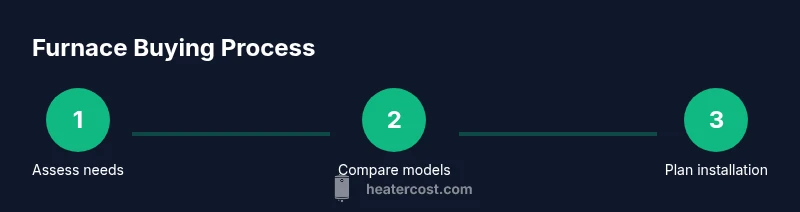
To choose the right furnace, begin with a heat-load calculation, then match efficiency and fuel type to your climate. Consider AFUE ratings, upfront costs, and long-term operating costs. Decide between gas, electric, or dual-fuel options, and budget for installation, warranties, and annual maintenance. This guide helps homeowners compare options quickly.
Why the right furnace matters
If you're asking what furnace to buy, you're weighing how a single equipment choice impacts comfort, energy bills, and maintenance for years. The furnace is not just a ticket to a warmer home; it's an ongoing operating cost, maintenance burden, and reliability factor. The right choice aligns with your climate, home layout, and available fuel. When done well, it delivers consistent heat, avoids cold spots, and minimizes noisy operation and drafts. A thoughtful selection reduces energy waste and helps you avoid frequent service calls. The Heater Cost team emphasizes that the best furnace for most homes is one that matches load, efficiency desires, and budget rather than the flashiest feature set. In this guide, we lay out a practical framework: assess heat load, choose a fuel option, compare efficiency and extras like zoning, and plan for future maintenance. By sticking to clear criteria and avoiding impulse buys, homeowners, renters, and property managers can confidently decide what furnace to buy without overspending or compromising comfort. According to Heater Cost, a disciplined evaluation reduces the chance of oversizing or undersizing, which can lead to wasted energy or uneven heating.
Key factors to evaluate
Choosing the right furnace starts with a clear set of factors that directly impact comfort, energy use, and long-term costs. Here's a practical checklist to guide your decision:
- Climate and local weather patterns: Severe winters call for higher heating capacity and efficient performance at low outdoor temperatures.
- Home size and layout: A larger home or one with open floor plans may require zoning or multiple zones to balance heat distribution.
- Fuel availability and preferences: Natural gas, propane, electricity, or oil each have distinct installation needs, costs, and reliability considerations.
- Efficiency vs upfront cost: Higher efficiency reduces operating costs but often increases upfront price. Balance this with how many years you expect to own the home.
- Installation feasibility: Ductwork condition, venting requirements, and space constraints influence which models fit your home.
- Maintenance and service: Consider local contractor availability, warranty terms, and routine maintenance requirements.
- Future considerations: If you expect fuel price changes or want to plan for smart home integration, factor in thermostat compatibility and future upgrades.
According to Heater Cost, a structured comparison across these factors reduces decision fatigue and helps you target furnaces that meet your goals rather than chasing every new feature.
Understanding efficiency: AFUE and beyond
When evaluating furnaces, efficiency matters beyond the sticker on the box. AFUE (Annual Fuel Utilization Efficiency) is the primary metric homeowners see. Higher AFUE generally means lower operating costs, but the savings depend on climate, fuel prices, and how you use your system. In practice, choosing an higher AFUE model often means higher upfront costs, so the payback period should be calculated in the context of your climate and usage. Beyond AFUE, look for features like variable-speed blowers and modulating burners that improve comfort and reduce hot-cold spots. Zoning options allow different rooms to heat independently, which can dramatically affect perceived warmth and energy use. The goal is consistent, even heat with minimal temperature swings. Heaters with good internal air filtration and smart thermostats can further improve comfort and efficiency. Heater Cost’s guidance emphasizes balancing efficiency with reliability and maintenance needs to maximize long-term value.
Fuel types and compatibility
Your fuel choice affects installation complexity, ongoing costs, and future flexibility. Natural gas furnaces are common in many regions, but if gas service is unavailable or price volatility is a concern, electric furnaces or heat pumps in milder climates may be appealing. Propane furnaces are a viable alternative where natural gas isn’t available. Oil furnaces, while less common, are still used in some older homes. When choosing fuel type, consider the availability of utilities in your area, the reliability of supply, and potential changes in energy prices over time. Also assess venting requirements and code compliance for your home. The right furnace should pair with a compatible fuel source and efficient burner design to minimize emissions and maximize comfort. Heater Cost notes that your choice should align with local energy costs and long-term stability of fuel delivery.
Sizing and load calculation
Sizing a furnace correctly is critical. An oversized unit wastes energy, causes short cycling, and reduces comfort, while an undersized unit struggles to maintain warm rooms during cold snaps. The industry recommends a professional heat-load calculation (often called a Manual J calculation) to determine exact capacity needs. This involves several factors: insulation levels, window efficiency, duct losses, and typical occupancy. With accurate sizing, you ensure the furnace is matched to your home and climate, which improves comfort and reduces wear. If you’re replacing an existing furnace, use the new unit’s calculated capacity as the basis for comparison rather than relying on the old unit’s rating. Heater Cost emphasizes that precise sizing pays off in consistent warmth and lower yearly energy costs.
Replacement vs new installations, warranties, and rebates
If you’re upgrading an aging system, weigh the benefits of a direct replacement against the cost and disruption of a new install. Warranties vary by model and installer, so read the fine print for heat exchanger life, labor coverage, and what can void coverage. Many regions offer rebates or tax incentives for upgrading to high-efficiency equipment or improving home insulation. When budgeting, consider not only the purchase price but also installation, ductwork modifications, and potential upgrades to thermostats or zoning systems. Heaters with robust service networks and long warranties typically deliver better value over a decade of use. Heater Cost recommends planning for maintenance needs and annual tune-ups to maximize the life of your furnace and protect your investment.
How to compare models: a practical checklist
Use this checklist to compare models side by side:
- AFUE and efficiency features: Identify the energy savings and payback potential for your climate.
- Fuel compatibility and venting requirements: Ensure your home can support the chosen fuel and vent configuration.
- Installed cost vs operating cost: Separate upfront price from estimated annual energy use.
- Size and zoning options: Confirm room-by-room heat distribution and potential for future expansion.
- Noise and comfort features: Look for variable-speed blowers and premium air filtration.
- Warranty length and service network: Check coverage for parts and labor and the availability of local technicians.
- Smart thermostat compatibility: Consider remote control, scheduling, and energy insights.
- Maintenance requirements: Note annual tune-ups and filter changes.
A structured comparison helps you avoid overpaying for nonessential features and ensures the furnace you buy truly meets your needs. According to Heater Cost, a well-documented comparison reduces surprises after installation.
Authority sources
For deeper reading and verification, consult these official and major publications:
- https://www.energy.gov/energysaver/furnaces-and-boilers
- https://www.energy.gov/energysaver/heating-and-cooling
- https://www.energystar.gov/products/heating_cooling/furnaces
- https://www.consumerreports.org/cooling-heating/furnaces/
These sources provide general guidance on furnace selection, efficiency considerations, and installation best practices to complement the steps outlined above.
Next steps
Now that you understand the key factors and how to compare models, take concrete action. Gather your energy bills, measure your home, and prepare a list of preferred fuel types. Contact several qualified HVAC installers for on-site assessments and quotes. Use the steps in this guide to evaluate each option objectively and request written comparisons. Keep a log of your measurements, quotes, and warranty details to reference during decisions.
Authority sources (alternate)
- Department of Energy: Furnace and Boiler Guidelines
- ENERGY STAR: Heating and Cooling Products
- Consumer Reports: Heating and Cooling Furnaces
Quick-start summary for what furnace to buy
- Start with a load calculation and climate-based sizing.
- Compare AFUE and key features, not just price.
- Confirm fuel availability and ventilation requirements.
- Gather quotes, verify warranties, and plan for maintenance.
- Choose a model with good contractor support and future upgrade potential.
Tools & Materials
- Recent energy bills (12 months)(Use to estimate average heating load and seasonal energy use)
- Home floor plan or square footage data(Helpful for rough sizing and layout planning)
- Measuring tape(For room layouts, duct runs, and equipment space)
- Notebook or digital notes(Record measurements, quotes, and decision criteria)
- Pen or pencil(Annotate plans and quotes)
- Calculator or budgeting app(Estimate upfront vs operating costs and payback)
- Current furnace details (if replacing)(Model, age, and current fuel type help with comparison)
Steps
Estimated time: 2-4 hours
- 1
Assess climate and home size
Begin by determining your climate severity and the total heated square footage. This informs the basic heating load and helps you set expectations for comfort and efficiency. Document room-by-room heat needs where possible to identify zones that may require special attention.
Tip: Use floor plans or a rough map of rooms to visualize heat distribution. - 2
Gather energy usage data and insulation details
Collect last year’s energy usage and inspect insulation levels in walls, attic, and crawl spaces. Good insulation reduces the required furnace size and improves yearly operating costs. Having a baseline helps you compare potential efficiency gains from new equipment.
Tip: Note any drafts or cold spots as these indicate insulation opportunities. - 3
Define fuel options and availability
Check which fuels are available in your area and align your choice with long-term cost and reliability. If natural gas is available, it often offers strong efficiency and lower running costs compared with electricity in many regions, but this can vary by market.
Tip: Talk to your utility provider about anticipated price trends and reliability. - 4
Perform a heat-load calculation
Have a professional perform a load calculation (Manual J) or use a trusted online calculator with your inputs. This ensures the furnace capacity matches your home’s actual needs and avoids oversized or undersized units.
Tip: Ask for a copy of the calculation for your records and quotes. - 5
Compare efficiency ratings and features
Evaluate AFUE and additional features like modulating burners or variable-speed blowers. Higher efficiency can save money over time but may cost more upfront; balance this with climate and expected tenure in the home.
Tip: Prioritize features that improve comfort and reliability in your climate. - 6
Budget for installed costs and maintenance
Estimate total cost including installation, ductwork adjustments, and annual maintenance. Consider warranties and possible rebates or incentives that can offset initial costs.
Tip: Ask for a written, line-item quote that separates hardware, installation, and any add-ons. - 7
Collect quotes and verify warranties
Request multiple, detailed quotes from qualified installers. Verify warranty terms for parts, heat exchangers, and labor, and ensure workmanship coverage.
Tip: Check contractor qualifications and references before selecting a model. - 8
Plan for installation and future maintenance
Schedule installation when it minimizes disruption, and set a calendar for annual maintenance. Decide on thermostat compatibility and potential zoning upgrades to optimize comfort.
Tip: Pre-arrange regular maintenance to extend furnace life.
Got Questions?
What is the most important factor when choosing a furnace?
Sizing and heat-load compatibility are the core factors. An correctly sized furnace delivers consistent heat and avoids energy waste. Fuel availability and efficiency choices come next to ensure long-term comfort and cost-effectiveness.
The most important factor is getting the right size for your home, so it heats evenly and efficiently. Then look at fuel type and efficiency.
Should I replace my furnace or repair it?
If your furnace is older and requires frequent repairs, replacing it with a newer, more efficient model often saves money and improves reliability. If the repair is minor and the unit is relatively new, a fix may be sensible.
If repairs keep happening and the unit is aging, replacement is usually the better long-term choice.
Is it worth buying a high-efficiency furnace?
Higher efficiency reduces operating costs and can improve comfort, but upfront costs are higher. Weigh the expected lifespan and climate needs to determine if the investment pays off for your situation.
High efficiency helps with ongoing costs, but you should consider how long you’ll stay in the home and your climate to decide.
How long does installation take?
Installation typically occurs over a day or two depending on ductwork and venting needs. A qualified installer will outline a schedule before starting and minimize downtime.
Most installs take about a day or two, based on duct changes and the system’s complexity.
What is AFUE and why does it matter?
AFUE measures how efficiently a furnace converts fuel into heat. Higher AFUE generally means lower operating costs, but you’ll pay more upfront. It's a key comparison tool, especially in colder climates.
AFUE shows efficiency; higher numbers usually save more on bills, but check upfront costs.
Do I need a heat load calculation?
Yes. A proper heat-load calculation ensures the furnace is sized correctly for your home. It reduces waste and ensures even heating across rooms.
Yes—it's essential for accurate sizing and comfort.
Watch Video
The Essentials
- Assess heat load before comparing models.
- Balance AFUE with climate and upfront costs.
- Size matters: avoid oversizing or undersizing.
- Plan for installation, ductwork, and maintenance upfront.
- Obtain multiple quotes and verify warranties.