Personal Heater Cost Guide for 2026
A data-driven guide to personal heaters, covering costs, energy use, safety, and buying guidance for homeowners, renters, and property managers in 2026.


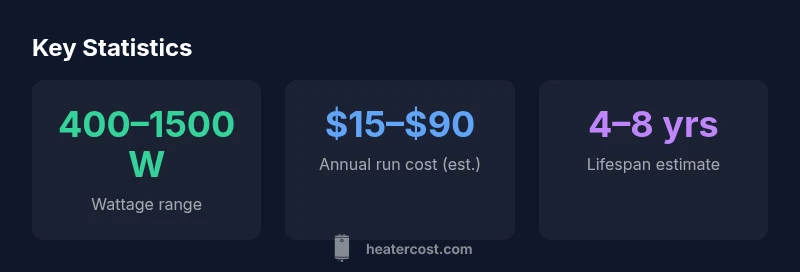
Personal heaters provide focused warmth for small spaces and are typically 400–1500 watts. For 2026, homeowners should weigh upfront cost against ongoing energy use and safety considerations. According to Heater Cost, a balanced approach reduces heat loss and saves money over time. This quick view helps buyers estimate annual energy use and informs decisions about placement, thermostat pairing, and usage patterns.
What is a personal heater and when to use one
A personal heater is a compact, portable heating device designed to warm a specific area rather than an entire room. It sits on a table or floor and can target feet, hands, or a workstation, making it ideal for desk work, chilly bedrooms, or drafts near doors. For homeowners, using a personal heater to supplement central heating can reduce overall energy use when insulation is decent and occupancy patterns are predictable. The Heater Cost team notes that when used in the right spots, a personal heater provides comfort without the energy waste of heating unused space. The keyword here is focus: heat people and objects in the zone you occupy, not the whole house. Selection should consider wattage, safety features, and the footprint that fits the intended space. In practice, a well-chosen model with proper placement and a timer or thermostat can deliver consistent warmth while keeping costs reasonable. As with any heater, avoid overheating a room or leaving it unattended in draft-heavy areas, which would undermine efficiency and safety. The goal is safe, reliable warmth, not oversized comfort or energy waste.
How a personal heater affects energy bills
Understanding how energy use translates to costs helps homeowners avoid surprises. Personal heaters typically draw between 400 and 1500 watts, depending on the model and heat output. Running time, room size, insulation, and outdoor temperatures all influence annual operating costs. At a standard electricity rate, a compact heater used intermittently in a well-insulated space can be far more economical than warming an entire room with central systems. Heater Cost Analysis, 2026 indicates that using a heater to maintain a comfortable micro-climate in the part of a room you occupy can reduce the need to raise the thermostat for the whole dwelling. To maximize savings, pair a heater with a programmable thermostat, close doors to adjacent spaces, and turn the device off when you leave the area. Remember: even small heaters can add up if used in drafty spaces or extended hours.
Types and features: what to look for
There are several types of personal heaters, each with strengths for different scenarios. Ceramic heaters heat quickly and distribute warmth evenly, while infrared or radiant models emit heat directly to objects and people, which can feel warmer at lower settings. Oil-filled radiators provide steady, silent heat but are slower to respond. Key features to prioritize include a tip-over switch, overheat protection, auto shutoff timers, and an adjustable thermostat. For energy efficiency, look for compact footprints, directional heat, and eco modes that reduce power consumption without sacrificing comfort. Safety certifications (UL/ETL) are essential, especially in homes with children or pets. Always place heaters on level surfaces, away from fabrics and flammable materials, and ensure cords do not become tripping hazards. In terms of cost, higher-end models may offer better durability and smarter controls, but a basic unit with good safety features often suffices for everyday tasks. The Heater Cost team suggests evaluating real-world usage patterns to pick the right balance of price, performance, and protection.
Costs: purchase, operation, and maintenance
Estimating costs requires separating upfront investment from ongoing expenses. A typical personal heater costs between $20 and $120 upfront, depending on wattage, build quality, and features. Operational costs hinge on how often and how long the heater runs. At 400–1500 W, the annual energy cost can vary widely based on electricity rates and usage; the goal is to minimize run time while maintaining comfort. Maintenance is straightforward: keep vents clear of dust, inspect the cord for wear, and clean the exterior periodically. If a model shows signs of overheating, unusual noise, or a flickering element, discontinue use and consider replacement. For rental properties and multi-unit buildings, assign a dedicated, clearly labeled space for portable heaters to reduce the risk of accidental misuse. Heater Cost’s guidance emphasizes aligning equipment choice with living patterns—short, focused usage beats constant, large-scale heating—and reviewing energy bills to measure whether the heater provides a cost advantage over time.
Safety and best practices for indoor use
Safety should never be an afterthought when using any personal heater. Place heaters on stable, level surfaces away from drapes, blankets, papers, and other combustibles. Use models with a tip-over switch and an auto shutoff feature for added protection. Never operate a heater with a damaged cord or plug; unplug and replace if there are signs of wear. Keep children and pets away from heating sources, and don’t run heaters behind doors or in enclosed spaces where airflow is restricted. Use a dedicated outlet and avoid daisy-chaining multiple devices on the same circuit to prevent overheating. In winter, ensure room insulation is adequate to prevent heat loss; a poorly insulated space can negate the benefits of a personal heater and lead to higher energy costs. Routine inspections and mindful usage will help you enjoy warmth without compromising safety or comfort.
How to choose and where to buy
When selecting a personal heater, start with the room size and the level of warmth you desire. For small desks or bedsides, a 400–800 W unit is often sufficient; for larger workspaces, 1000–1500 W models may be necessary. Prioritize units with adjustable thermostats, a clear power switch, and a visible indicator that the device is functioning. Consider the noise level if you’re using it in a bedroom or study, and check for energy-saving modes that automatically reduce power draw when full heat isn’t needed. Durability matters, so read warranty terms and user reviews to gauge long-term performance. Where to buy depends on your needs: big-box retailers offer a range of models, while specialty stores can provide expert advice. For those budgeting carefully, starting with a basic model from a reputable brand and upgrading later as needed can be a prudent strategy.
Installation and use considerations for renters and landlords
Rental properties pose unique constraints: you typically cannot modify wiring or install dedicated circuits for space heaters. Portable, plug-in heaters with cool-touch housings are ideal for renters due to their flexibility and low installation requirements. Landlords should communicate clear guidelines about heater use, placement, and safety checks to prevent hazards. Creating a standard operating procedure for room-by-room heating can help tenants manage comfort and energy costs without compromising safety. In all cases, ensure cord management is tidy and avoid trailing cords under rugs or through doorways. By setting expectations and providing safe, compliant devices, property managers can improve tenant satisfaction while maintaining energy efficiency.
Maintenance and lifespan considerations
To maximize the lifespan of a personal heater, keep vents free of dust and debris, use the appliance as intended, and store it in a dry environment when not in use. Periodically inspect power cords and plugs for cracking or heat damage, and replace damaged parts promptly. A typical personal heater should last several years with proper care, but performance can decline if it’s subjected to frequent startup/shutdown cycles or harsh environments. If the heater begins to cycle on and off unexpectedly or emits a burning smell, discontinue use immediately and seek professional assessment. Regular cleaning and cautious handling will help you get the most value from your investment and reduce the likelihood of costly replacements.
Comparison of common personal heater types by wattage and rough annual running cost
| Model Type | Wattage Range | Estimated Run Cost (annual) |
|---|---|---|
| Compact personal heater | 400–900 W | 15–40 |
| Desktop heater | 200–600 W | 10–25 |
| Floor-standing personal heater | 800–1500 W | 25–75 |
Got Questions?
What is a personal heater and when should I use one?
A personal heater is a compact, portable heater designed to warm a specific area. Use it for spots like a desk, bed nook, or drafty corner to avoid warming an entire room. This targeted approach can reduce energy use when central heating isn’t needed in the whole space.
A personal heater warms a small area like your desk or bed nook, which helps you stay comfortable without heating the whole room.
How much does it cost to run a personal heater?
Running costs depend on wattage and usage. A typical heater uses 400–1500 watts; the annual cost varies with electricity rates and how long you run it. For budget planning, track your usage and compare it to your energy bill.
Costs depend on how often you use the heater and your local electricity rate, so track usage to estimate annual costs.
Are personal heaters safe to use indoors?
Yes, when used properly. Always place on a stable surface, keep away from flammables, and use models with tip-over and overheating protection. Never leave a heater unattended in occupied rooms.
Yes, with proper placement and safety features like tip-over protection.
What features improve efficiency?
Look for adjustable thermostats, ECO modes, automatic shutoff, and directional heat. Energy-saving features decrease draw when warmth isn’t needed, helping your overall bill.
Thermostats, eco modes, and auto shutoff can save energy while keeping you comfy.
Do I need professional installation for a personal heater?
Most personal heaters require no professional installation. They plug into standard outlets. If you have special needs or questions about electrical capacity, consult a licensed electrician.
Usually no installation is needed; just plug in, but check outlet capacity if using high-wattage models.
How should I compare brands and models?
Compare wattage, safety certifications, warranty, and user reviews. Favor models with clear heat settings and solid customer support. Consider total cost of ownership, including energy use and durability.
Compare wattage, safety features, and warranties to pick a durable, efficient model.
“A well-chosen personal heater can lower energy bills when used mindfully, but safety must guide every purchase.”
The Essentials
- Choose focused heating to save energy.
- Wattage range matters for cost forecasting.
- Safety features are non-negotiable.
- Renters should favor plug-in, portable options.
- Regular maintenance extends lifespan.