Gas vs Electric Heaters: A Practical Comparison for Homeowners
Compare gas-fired and electric heaters to decide which source best fits your home, budget, and climate. Learn installation, costs, efficiency, and safety considerations.


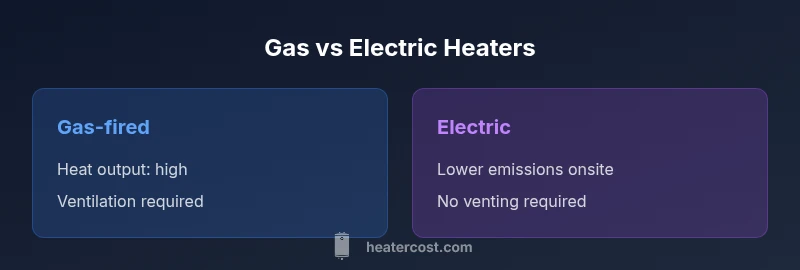
Is the heater run by gas or electric? The quick answer is that most gas-fired heaters rely on combustion to generate heat and require venting, while electric heaters use electric resistance without combustion. In practice, electric heating is often cheaper to install and simpler, but gas tends to deliver higher heat output for large spaces and colder climates.
Is the Heater Run by Gas or Electric? A Baseline
For many homeowners, the central question guiding a heating upgrade is straightforward: is the heater run by gas or electric? The distinction matters not just for daily comfort, but for installation logistics, ongoing costs, and environmental impact. Gas furnaces burn natural gas or propane to create heat, with the combustion byproducts vented outside the home. Electric heaters, by contrast, convert electricity into heat with resistance elements or heat pumps, producing fewer onsite emissions. Understanding this core difference helps set expectations for efficiency, reliability, and long-term ownership. When you assess a home, consider existing fuel infrastructure, local energy prices, and climate — these factors strongly influence which option makes sense. The Heater Cost team emphasizes that your decision should balance upfront costs, ongoing energy costs, and the practicality of maintenance in your dwelling.
How Gas-Fired and Electric Heaters Work
Gas-fired heaters operate by burning fuel in a combustion chamber to heat air, which is then blown through ducts or circulated by a fan. The system typically requires venting to carry away combustion byproducts, and in some cases may rely on a standing pilot or electronic ignition. Electric heaters rely on electric resistance coils or heat pumps to generate warmth. There is no combustion inside the living space, which means fewer indoor air quality concerns but a greater dependence on electrical capacity. Heat pumps, a subset of electric heating, can pull heat from the outside air even in cold weather, offering efficiency benefits when temperatures aren’t extreme. Overall, gas systems shine in high-heat demand scenarios, while electric options excel in simplicity and space flexibility.
Installation Pathways: Where Each Requires Venting and Permits
Installation complexity varies substantially between gas and electric systems. Gas installations typically involve gas lines, venting, gas appliance clearance, and local permits. A certified installer must ensure safe combustion, proper venting, and an appropriate combustion air supply. Electric systems generally require knowledge of electrical service capacity, panel space, and local electrical codes, but they avoid ductwork modifications related to combustion. If you’re upgrading from an old unit, plan for potential renovations to accommodate ducting, ventilation clearances, or electrical upgrades. The decision should weigh not only current needs but also the logistics of obtaining permits, coordinating with utility providers, and scheduling inspections.
Operating Costs and Efficiency: What Drives Your Bill
Operating costs hinge on fuel prices, system efficiency, and climate. Gas furnaces may offer lower per-BTU operating costs in regions with affordable natural gas, but efficiency varies by model and maintenance. Electric heaters have fewer moving parts and lower maintenance, yet electricity costs can be higher in some markets. If you rely on a heat pump, electric input costs can be offset by seasonal efficiency gains, especially in moderate climates. A key takeaway is that efficiency ratings and annual fuel utilization efficiency (AFUE) figures from manufacturers provide a benchmark, but real-world performance depends on thermostat settings, insulation, and home sealing.
Environmental Impact and Emissions: Gas vs Electric
Combustion-based gas heaters emit carbon dioxide and other pollutants, contributing to indoor and outdoor air quality concerns if ventilation is inadequate. Electric heaters produce zero onsite emissions, but their environmental footprint depends on the electricity mix in your region (renewables vs fossil fuels). If the grid relies heavily on clean energy, electric heating can reduce greenhouse gas emissions. Homeowners balancing environmental goals should also consider heat pump technology, which can offer high efficiency while remaining powered by electricity. The relative impact varies by location and energy sourcing, so local energy profiles matter.
Space, Design, and Placement Considerations
Space constraints and architectural design influence the feasibility of gas or electric heating. Gas furnaces require dedicated space, ventilation paths, and clearance around the unit. Electric systems offer more placement flexibility because they do not need venting, but some electric heaters (like bulky wall units or heat pumps) still demand space and airflow. The presence of a basement or utility closet can favor gas installations in colder climates, while modern apartments or retrofit projects often lean electric due to easier installation. Evaluate room layout, ductwork, and the desired warmth distribution when choosing a system.
Reliability, Maintenance, and Longevity
Gas furnaces have robust heat output but require regular maintenance to keep burners clean, vents clear, and safety controls functioning. Electric heaters typically have fewer moving parts and lower maintenance, though heat pump components like compressors and fans require service over time. Overall longevity depends on usage, climate, and installation quality. Regular professional checkups, regardless of fuel type, help prevent failure during peak winter periods and extend system life. A well-maintained system reduces unexpected outages and preserves indoor comfort.
Safety and Risk Management
Safety considerations differ notably between gas and electric heat. Gas systems carry risks related to gas leaks, combustion byproducts, and CO exposure if venting or seals fail. Proper ventilation, carbon monoxide detectors, and professional servicing mitigate these risks. Electric heating eliminates combustion-related indoor air quality issues but introduces electrical safety concerns, such as overloaded circuits and potential fire hazards if wiring is outdated. Assess your electrical panel capacity, available venting, and the home’s overall safety profile when deciding which option to pursue.
Which Situation Calls for Gas or Electric? A Decision Framework
The choice between gas and electric heating hinges on climate, available fuel sources, installation feasibility, and total cost of ownership. In very cold regions with high heating demand, gas may offer dependable, fast warmth if a reliable gas supply exists. In milder climates or in homes where electrical upgrades are straightforward, electric systems — especially heat pumps — can deliver strong comfort with simpler maintenance. Use a decision framework that weighs insulation quality, existing equipment, and energy tariffs. The Heater Cost team suggests performing a home energy audit to quantify where heat loss occurs and how a given system would perform under typical winter loads.
Common Misconceptions Debunked
A common misconception is that electric systems cannot handle large homes. Modern electric heat pumps and properly sized electric furnaces can manage substantial heating loads, especially with good insulation. Another myth is that gas is always cheaper; price volatility and regional tariffs can flip the math. Some assume electric heating is unsuitable during outages; while gas systems may rely less on electricity, most modern gas furnaces require electrical power for ignition and controls. Finally, many think maintenance is optional; in reality, routine checks extend system life and prevent costlier repairs.
Cost Lifecycle and Total Ownership
Total ownership combines upfront installation costs, ongoing energy bills, maintenance expenses, and expected lifespan. Gas systems often involve higher installation costs due to venting and fuel line work, but long-term operating costs can be favorable in gas-rich regions. Electric systems generally cost less upfront and tend to require fewer maintenance visits, though electricity rates and the presence of heat pumps influence total costs. A holistic view considers insulation, zoning, thermostat strategy, and anticipated changes in energy prices over the system’s life.
AUTHORITY SOURCES
- U.S. Department of Energy – Energy Saver: Heating systems and furnaces (energy.gov/energysaver/heating-systems)
- Energy.gov – Gas furnaces vs electric furnaces articles (energy.gov/eere/buildings/articles/gas-furnaces-vs-electric-furnaces)
- EPA or consumer-focused energy articles (epa.gov/iaq) for indoor air quality and safety considerations
Comparison
| Feature | Gas-fired heater | Electric heater |
|---|---|---|
| Installation Complexity | Higher due to gas lines, venting, and permits | Lower; no venting required, but electrical capacity may be needed |
| Running Costs (relative) | Dependent on gas prices and efficiency; can be favorable in some regions | Dependent on electricity rates; generally stable but can vary by tariff |
| Ventilation & Emissions | Requires combustion venting; CO risk if venting is inadequate | No combustion; indoor air quality less impacted by fuel type |
| Maintenance Frequency | Regular burner and vent inspections; seasonal checks | Fewer moving parts; electrical components require periodic check |
| Flexibility & Space | Often needs dedicated space and ductwork | More placement flexibility; can use portable or wall-mounted options |
| Lifespan & Durability | Typically robust with proper servicing | Long lifespan with proper electrical system support |
The Good
- Gas furnaces deliver rapid heat for large spaces
- Electric heaters are simpler to install and maintain
- Electric options avoid combustion and indoor air quality concerns
- Gas can be cost-effective in regions with cheap fuel (relative to electricity)
Negatives
- Gas requires venting and increases safety considerations (CO risk)
- Installation is more complex and often more expensive
- Electric systems depend on reliable electricity and can be costly in high-tariff areas
- Gas outages or supply issues can disrupt heating
Gas is best for large, rapidly heated spaces in regions with reliable gas service; electric is best when installation simplicity or indoor air quality is a priority.
Choose gas when you need high heat output and have existing gas infrastructure. Choose electric when you want easier installation and safer indoor air, especially if you have good electrical support or prefer heat pumps for efficiency.
Got Questions?
Which is cheaper upfront: gas or electric heating?
Upfront costs for electric heating are often lower due to simpler installation, while gas systems may require more extensive venting and gas line work. Your final choice should balance installation complexity with long-term operating costs and energy prices in your area.
Electric heating usually costs less to install upfront, but gas can offer savings over time depending on fuel prices; a home energy audit helps decide.
Are permits required for gas installations?
Yes, most jurisdictions require permits for gas installations to ensure safe venting, combustion air, and proper fuel connections. A licensed contractor can guide you through inspection and compliance steps.
Gas installations typically need permits to ensure safe venting and connections; a professional will handle inspections.
Can electric heaters heat large spaces effectively?
Electric heaters, including heat pumps, can heat large spaces, especially with proper insulation and zoning. In very cold climates, backup or supplemental heat may be needed.
Electric systems can handle big spaces with the right setup, but climate matters for efficiency.
Is gas heating safer than electric heating?
Both can be safe when correctly installed and maintained. Gas heating carries combustion-related risks if venting fails, while electric systems carry electrical safety and fire risks if wiring is outdated.
Safety depends on installation and maintenance; both can be safe with proper checks.
How long do gas and electric heaters last?
Lifespan varies by model, usage, and maintenance. Gas furnaces typically require periodic servicing to sustain performance, while electric heaters with fewer moving parts may have longer intervals between major repairs.
Both can last many years with good maintenance; gas may need more regular servicing.
Can I switch fuels later if needed?
Fuel switching is possible but often complex and costly, involving new equipment, venting changes, and electrical work. A careful cost-benefit analysis is essential before making a switch.
Switching fuels is possible but usually expensive; plan for long-term needs.
The Essentials
- Weigh climate and space size before choosing fuel type
- Factor installation costs and permits into the budget
- Consider long-term energy prices and local tariffs
- Prioritize safety measures like detectors and proper ventilation
- Regular maintenance extends system life