Gas Heater vs Electric Heater: A Thorough Comparison
An objective comparison of gas heater vs electric heater, covering costs, efficiency, safety, and installation to help homeowners choose the best fit for their space in 2026.


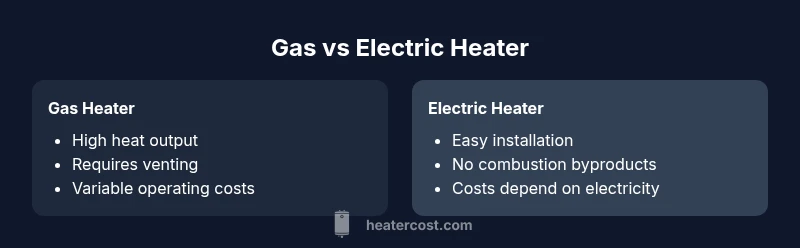
Gas heater vs electric heater: both can meet home-heating needs, but which is best depends on space, climate, and energy costs. Gas often delivers high heat for large spaces and can be cheaper where natural gas costs are low, while electric heaters are easier to install and better for targeted zones. When evaluating gas heater vs electric heater, consider heat output, efficiency, and venting. According to Heater Cost, understanding space, climate, and energy prices helps pick the right option.
Why this comparison matters
Choosing between gas and electric heating isn't about a universal winner—it's about fit for your home and budget. According to Heater Cost, the decision should start with three questions: How large is the space you need to heat? What climate do you live in? And how do energy prices in your area compare gas versus electricity? These factors determine whether gas or electric heating will deliver better value over the system's lifetime.
Gas and electric heat sources differ in fundamentals, risk profiles, and maintenance requirements. Gas systems deliver abundant heat and are well-suited to colder climates and open floor plans where a single unit can warm multiple rooms. Electric options, including baseboard heaters, portable units, and heat pumps, excel in smaller spaces, zone heating, and situations where venting is impractical. This article presents a balanced, evidence-based comparison to help homeowners, renters, and property managers make a smart choice.
How gas and electric systems work
Gas heaters burn natural gas or propane to create heat. Most homes use a gas furnace or boiler that circulates heated air or hot water through ducts or radiators. Venting and combustion byproducts require proper installation, dedicated space, and periodic safety checks. Electric heaters rely on electrical resistance or, for more efficient setups, heat pumps. Resistance heaters warm quickly and are common for single rooms or auxiliary spaces, while heat pumps transfer heat using refrigerant cycles and can provide both heating and cooling. Understanding these basics helps set expectations for performance, noise, maintenance, and cost.
Upfront costs and installation considerations
Initial costs vary significantly. Gas systems typically require a gas line hookup, proper venting, permits, and, in some homes, chimney or vent relining. This makes the upfront investment higher and more location-dependent. Electric heating usually has lower installation barriers; you may only need space for units or a dedicated circuit, and in some cases no professional venting is required. If considering a whole-home electric system like heat pumps, evaluate the electrical panel capacity and potential wiring upgrades. These upfront considerations influence long-term value and payback periods, particularly when comparing legacy gas systems to new electric installations.
Operating costs and energy price sensitivity
Operating costs hinge on energy prices in your area and how you heat your home. Gas prices can fluctuate based on regional markets and supply, while electricity costs depend on local rates and peak vs off-peak pricing. Gas tends to be more cost-efficient for continuous, high-heat needs in large spaces, especially in colder climates. Electric heating can seem cheaper to buy and install but may cost more to run if electricity prices are high or if you rely on electric resistance heaters. In hotter seasons, heat pump electric systems can deliver high efficiency even in mild climates. A careful calculation of your local energy prices and expected usage is essential.
Efficiency and heat delivery fundamentals
Efficiency means getting more heat per unit of energy. Gas appliances use AFUE (annual fuel utilization efficiency) to describe how effectively fuel is converted into heat. Electric resistance heaters are nearly 100% efficient at the point of use, but heat pumps can dramatically exceed that efficiency by moving heat rather than generating it. For large spaces and sustained heating, gas can deliver strong, consistent warmth. For precise zoning and fast response in smaller areas, electric resistance heaters or modern heat pumps may offer superior efficiency and comfort control. Understanding the difference helps set expectations for comfort levels and energy bills.
Safety and indoor air quality considerations
Gas combustion produces byproducts like carbon monoxide and requires venting and proper combustion air. A well-maintained gas system must include CO detectors in living spaces and a regular service schedule to prevent leaks or venting issues. Electric heaters do not produce combustion byproducts, which reduces indoor air quality concerns but introduces electrical safety considerations such as proper wiring, overloading circuits, and fire risk from space heaters if misused. Regardless of type, install detectors, follow manufacturer guidelines, and schedule periodic inspections to maintain safe operation.
Space, venting, and installation footprint
Gas heaters typically require dedicated space for the furnace or boiler and venting infrastructure. They also may need ductwork or boiler piping, increasing the footprint and complexity of installation. Electric heating can be more compact and versatile: baseboard units, wall-mounted panels, or plug-in heaters offer flexible placement with minimal space and no venting. If you’re renting or limited by apartment regulations, electric options are often easier to deploy. Consider room layout, available electrical capacity, and the feasibility of extending ductwork or running new circuits when choosing between gas and electric.
Climate and usage patterns: where each shines
In very cold climates with high heating loads, gas systems often provide the most reliable full-house warmth and resilience during power outages (if a backup power source is available for critical components). In milder climates or in rooms that require targeted heating, electric heaters—especially heat-pump-based systems—can deliver comfort efficiently with simpler installation and better zoning. For homeowners with variable occupancy or rapid heat-up needs, electric options offer flexibility, while gas systems deliver steady performance in larger, climate-controlled spaces. The best choice balances climate realities, space, and energy contracts.
Environmental impact and long-term costs
Gas combustion emits carbon dioxide and other pollutants, contributing to a larger carbon footprint unless mitigated by cleaner fuel sources and efficient equipment. Electric heating’s environmental impact depends on how electricity is generated in your region; if the grid uses low-emission sources, electric heating can be comparatively green. Over the long term, total cost of ownership includes equipment lifespan, maintenance, energy costs, and potential remodeling or venting upgrades. Evaluating your local energy mix, preferred comfort level, and maintenance willingness helps forecast environmental and financial outcomes.
Maintenance, reliability, and service availability
Gas systems require regular maintenance to maintain performance and safety: burner cleaning, vent inspection, and gas-line checks are typical services. Electric heating generally involves fewer moving parts and can be easier to service, but components such as thermostats and wiring still need periodic checks. Availability of qualified technicians for gas systems may be more regional, and service intervals can be longer for electric units with fewer mechanical components. When planning, factor in service access, local availability of skilled technicians, and the typical lead times for parts and service.
Real-world cost scenarios and case studies
Case studies illustrate how context shapes decisions. A large two-story home with gas service and a cold climate may benefit from a gas furnace due to its high heat output and dependable performance during the coldest days. A smaller apartment or an older rental without reliable venting options might be better served by electric baseboard heaters or a compact heat pump, particularly if zoning and control are priorities. In mixed-use spaces, a hybrid approach—using gas for main heating and electric for supplemental or seasonal use—can optimize comfort and cost.
Decision framework: a practical checklist
To choose between gas and electric heating, follow a practical, repeatable checklist: (1) assess space and climate, (2) calculate likely energy costs using local gas and electricity rates, (3) evaluate installation constraints and permits, (4) consider maintenance burden and service availability, (5) review safety considerations, and (6) select a solution with scalable potential for future needs. A structured approach helps avoid overpaying for unnecessary capacity while ensuring reliable comfort across seasons.
Common misconceptions about gas vs electric heating
A common misunderstanding is that gas is always cheaper or that electric is always safer. Reality depends on local energy prices, climate, and the specifics of the equipment. Another myth is that electric heating cannot power a whole home efficiently; modern heat pumps and zoned electric systems can deliver substantial comfort with high efficiency. Finally, some assume gas systems require constant venting; while venting is necessary for combustion, modern installations minimize risks with proper design, detectors, and maintenance.
Final planning tips for your home
Start with a clear floor plan of the spaces to heat and a realistic occupancy schedule. Gather energy price data and consult local permitting requirements. Get multiple quotes from licensed installers who can compare gas and electric options for your home’s layout. Finally, plan for future upgrades—such as smart thermostats and zoned controls—to maximize efficiency and comfort across seasons.
Comparison
| Feature | Gas heater | Electric heater |
|---|---|---|
| Installation complexity | High (gas line, venting, permits) | Low (plug-in or simple hardwired or wall-mounted units) |
| Operating cost (typical) | Often lower per BTU in regions with cheap gas; varies with fuel prices | Can be higher if electricity is expensive; depends on usage type |
| Efficiency | Moderate to high depending on model and AFUE | High for electric resistance; very high for heat pumps |
| Heat delivery | High sustained heat for whole-home or large spaces | Strong for small zones; quick response in targeted areas |
| Ventilation/emissions | Requires venting; combustion byproducts | No direct emissions at point of use |
| Space footprint | Larger footprint; dedicated mechanical space or closet | Flexible; many compact or portable options |
| Maintenance | Regular burner/vent maintenance and safety checks | Lower maintenance; periodic electrical checks and filters |
| Best for | Large homes in cold climates with gas service | Small to medium spaces; zones and rentals |
The Good
- Potentially lower operating costs in gas-favorable regions
- High heat output suitable for large spaces
- Gas systems can power whole-home heating in cold climates
- Electric options offer simple installation and precise zoning
- Electric heat pumps provide efficient cooling and heating in some setups
Negatives
- Gas requires venting, permits, and ongoing maintenance
- Gas systems pose carbon monoxide risk and combustion byproducts
- Gas installations have stricter codes and potential retrofitting
- Electric heating can be expensive in high electricity-cost areas
- Electric systems may require electrical service upgrades for whole-home use
Gas is typically the better option for whole-home heating in cold climates with existing gas service; electric is preferable for small spaces, rentals, or where venting is impractical.
For homes with reliable gas service and large space requirements, gas provides robust, cost-effective heating. For renters or spaces where venting is unavailable, electric heating offers flexible, straightforward deployment. The Heater Cost team recommends evaluating space, climate, and energy costs to choose the right solution.
Got Questions?
Is a gas heater cheaper to run than an electric heater?
Often, gas can be cheaper per unit of heat in regions with low natural gas prices, but electricity rates vary widely. Your total cost depends on climate, usage patterns, and efficiency of the specific models. Compare local energy prices and consider heating needs when evaluating long-term costs.
Gas can be cheaper to run in some areas, but it depends on energy prices and efficiency. Compare local rates and your heating needs to decide.
Do gas heaters require ventilation?
Yes. Gas heaters burn fuel and produce combustion byproducts, so proper venting and air supply are essential. Install CO detectors and follow local codes to ensure safe operation. Regular maintenance is also important to minimize risks.
Gas heaters need proper venting and safety checks, including CO detectors.
Can I install a gas heater in a small room?
Gas heaters can be installed in small spaces only if the unit is appropriately sized and vented for that space. Most codes require dedicated ventilation and certified installation. For rentals or tight areas, electric options may be more practical.
Only if properly sized and vented; otherwise, consider electric options.
Are electric heaters more environmentally friendly?
Environmental impact depends on how electricity is generated in your region. If the grid uses low-emission sources, electric heating can be relatively clean. In regions with coal-heavy grids, gas heating may have a larger footprint unless highly efficient electric systems are used.
Electric is cleaner where the grid is green; otherwise, consider energy sources.
What safety considerations apply to both options?
Gas systems require CO detectors and regular venting checks; electric systems require proper wiring, overload protection, and appliance safety. Following manufacturer guidelines and local codes minimizes risk for either option.
Follow safety guidelines and codes; detectors for gas, proper wiring for electric.
Which is better for a rental property?
Electric heating is often more flexible for rentals due to minimal venting and easier installation. Gas may be restricted by building rules or required gas-service upgrades. Review lease terms and local codes before choosing.
Electric is typically easiest for rentals; check lease terms.
The Essentials
- Assess climate, space, and energy prices before choosing
- Gas offers high heat output but requires venting and safety checks
- Electric heating is installation-friendly and versatile for zoning
- Consider total cost of ownership (installation, maintenance, energy) over time
- Safety first: install CO detectors for gas systems and maintain electrical safety for electric units