Heater Replacement: A Step-by-Step Guide for Homeowners
Learn how to plan and execute a heater replacement safely and cost-effectively, with guidance on sizing, installation options, permits, and ongoing maintenance.


A quick answer: A heater replacement is often the smart move when your current unit is aging, unreliable, or driving up energy bills. If a repair would be frequent or expensive, replacing with a newer, more efficient model can lower operating costs and improve comfort. This guide walks you through deciding when to replace, sizing correctly, installation options, and essential maintenance to ensure a safe, cost-effective transition.
When replacement makes economic sense
Deciding whether to repair or replace a heating system hinges on age, reliability, and the costs of ongoing service. In many homes, an older furnace or boiler that is more than 15 to 20 years old becomes a candidate for replacement, because newer models are significantly more efficient, safer, and reliable. According to Heater Cost, the long-term financial math often favors replacement when annual repair bills exceed a modest fraction of the price of a new unit, or when the system's efficiency has slipped noticeably in energy bills. If you find yourself visiting the service technician more than a year, or if a single repair would require costly parts or multiple visits, it is time to compare a replacement quote with a repair quote.
Additionally, climate and heating needs affect the decision. In regions with very cold winters, a failing furnace may leave you without heat during peak season, which is a strong incentive to replace with a modern, properly sized unit. A new model can offer improved performance, better temperature consistency, and quieter operation. While upfront costs can be higher, the payback period depends on several factors: fuel type, local energy rates, system efficiency, and the quality of the installation. This is where a trusted guide can help you weigh options without bias.
note”:null}
Understanding sizing and efficiency
Sizing a replacement heater correctly is essential for comfort, safety, and cost control. An oversized unit cycles on and off, wasting energy and shortening equipment life; an undersized unit struggles to meet demand, leading to uncomfortable rooms and higher running costs. The key measure is the Annual Fuel Utilization Efficiency (AFUE) for furnaces and boilers, and the heating season performance for heat pumps. A properly sized unit will maintain even temperatures with consistent burner operation and quiet venting.
Load calculations, often performed with a Manual J method by a qualified contractor, consider your home’s insulation, windows, occupancy, and climate. Fuel type also matters: gas, electric, oil, or a heat pump all have different efficiency curves and operating costs. In addition to AFUE, look for high static pressure resistance, good blower performance, and compatibility with modern thermostats and zoning. When evaluating options, request two or three bids and ask for a detailed size and efficiency comparison. This helps balance upfront cost with long-term energy savings and comfort.
note”:null}
Installation options and permits
There are several installation paths for a heater replacement, and the right choice depends on your home, budget, and local codes. A full system replacement in the same location is common, but you may also consider relocating the unit for better airflow or easier venting. In every case, professional installation is strongly advised, especially for gas furnaces and high-efficiency boilers. Before work begins, verify permit requirements with your local building department and ensure the installer will handle venting, combustion air, and proper clearance to combustibles. Many jurisdictions require a gas line or electrical permit and an inspector’s final sign-off. Failing to obtain permits can void warranties and complicate future sales. Also consider whether to replace the thermostat, humidifier, or air filtration system at the same time to maximize energy savings and indoor air quality. Finally, confirm warranty terms on both the unit and the installation to avoid surprises later on.
note”:null}
Choosing the right model and features
The model you choose should align with your climate, home size, and comfort preferences. For gas or oil furnaces, select a unit with a high AFUE rating and a good warranty. Electric furnaces or heat pumps emphasize efficiency and compatibility with modern smart thermostats. If you live in a region with cold winters, consider variable-speed blowers and staged burners to minimize temperature swings and noise. Look for models with sealed combustion and sealed ductwork to improve safety and air quality. ENERGY STAR rated equipment typically offers recognized efficiency benefits, but total savings depend on installation quality, duct design, and maintenance. Additionally, pay attention to venting requirements and clearance to combustible materials, as improper venting is a common cause of safety issues. Ask potential installers for a side-by-side comparison of two or three models, including performance, efficiency, noise levels, and maintenance needs. This helps you identify a unit that meets both your comfort goals and budget.
note”:null}
Cost considerations and financing options
A heater replacement represents a significant upfront investment, but several factors influence total cost. Unit type (gas vs electric vs heat pump), efficiency class, installation complexity, and whether you need venting, a new flue, or a complete duct overhaul all affect price. While brand and model matter, installation quality and house-specific factors often determine realized savings. In many markets, financing options, rebates, or utility incentives can help manage the upfront cost. When evaluating proposals, request a clear line-by-line estimate that separates equipment, installation labor, permits, and any required new components. Also consider maintenance costs, such as annual inspections and filter changes, which affect long-term operating expenses. Finally, compare energy costs before and after replacement to understand potential savings; remember that higher efficiency often reduces ongoing energy use, but not in all climates.
note”:null}
Maintenance for longevity and safety
Regular maintenance extends the life of a replacement heater and helps prevent unexpected breakdowns. Schedule an annual professional inspection for systems such as gas furnaces and boilers, and a biannual check for heat pumps. Replace filters as recommended by the manufacturer, typically every 1-3 months depending on use and indoor air quality. Keep an eye on unusual noises, pilot light behavior, and any signs of corrosion or corrosion in gas lines. Maintain proper clearance around the unit to improve combustion and airflow. Test carbon monoxide detectors and install alarms in key living areas to provide early warning of exposure. If you notice a drop in performance, uneven heating, or rising energy costs, address it promptly rather than delaying service. A well-maintained system runs more efficiently and lasts longer.
note”:null}
Safety and code compliance, and professional help
Gas-fired heaters pose safety risks if installed or serviced incorrectly. Always hire a licensed HVAC contractor for installation, venting, gas piping, and electrical connections. Ask for proof of licensing, insurance, and relevant permits before work begins, and ensure the installer provides a written warranty for equipment and workmanship. CO detectors are essential, and local code requirements may mandate additional safety devices. Do not attempt gas line work yourself, and avoid DIY electrical connections that could cause shock or fire. After installation, have the system tested for proper combustion, safe venting, and balanced airflow. Professional maintenance can identify issues that a home inspection might miss, and a good installer will provide a clear handoff with a system operation guide and care schedule.
note”:null}
Next steps after choosing a replacement
With a decision made, finalize the contract, schedule the installation, and prepare your space. Remove fragile items from the work area and ensure pets and children are safe during the process. Keep a copy of the installation paperwork, warranty details, and maintenance schedule. After the unit is installed, monitor performance for the first few weeks, noting temperature consistency and any unusual noises. Finally, set up a maintenance calendar and enroll in any relevant utility or manufacturer rebate programs to maximize ongoing savings. The goal is reliable heat, improved efficiency, and peace of mind.
note”:null}
Tools & Materials
- New heater/ furnace unit(Ensure model matches load calculation and space constraints)
- Socket set and wrenches(Includes hex sockets for burners and panels)
- Screwdrivers (flat and Phillips)(Variety of sizes; magnetic tip helps with small fasteners)
- Electrical tester / multimeter(Check circuits and verify power is off before work)
- Gas line sealant/tape (gas-rated)(For gas line connections and venting seals where applicable)
- Vent piping and duct components(Proper sizing and sealing for safe exhaust and airflow)
- Carbon monoxide detector(Install near sleeping areas and follow local code guidance)
- Smoke/CO alarm (if needed)(Additional units may be required by code)
- Safety gear (gloves, goggles)(Protect hands and eyes during disassembly and installation)
- Ductwork sealing materials(Optional for improving efficiency if duct leaks are suspected)
- Manuals and warranty documents(Keep for future reference and service intervals)
Steps
Estimated time: 4-8 hours
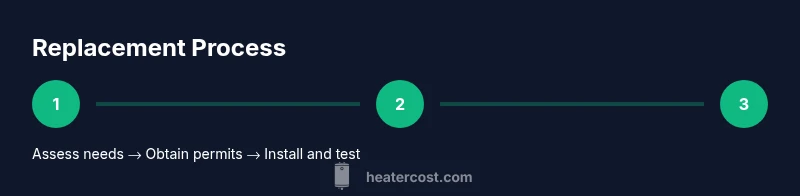
- 1
Assess needs and select a replacement model
Evaluate climate, home size, and comfort preferences. Use load calculations or a contractor’s guidance to pick a model that fits your needs and space. Consider future zoning or thermostat integration to maximize efficiency.
Tip: Document your key criteria (climate, preferred comfort level, and any space constraints) to compare bids clearly. - 2
Check ductwork, venting, and space
Inspect existing ducts and vents for leaks or blockages. Ensure there is adequate clearance around the unit for safe operation and service access. Plan for venting and combustion air requirements.
Tip: Take photos of current duct layouts to show contractors for accurate bid comparisons. - 3
Verify permits and codes
Contact your local building department to determine permit requirements for gas, electrical, and venting work. Confirm that your installer will handle the permitting process and inspections.
Tip: Secure permits before scheduling installation to avoid delays and warranty issues. - 4
Get bids and compare proposals
Obtain two to three written proposals that detail equipment specs, installation steps, warranties, and timelines. Focus on total cost, not just the upfront price.
Tip: Ask for a side‑by‑side comparison of models, efficiency, and expected energy savings. - 5
Shut off power and fuel supply
Before touching any equipment, switch off the electrical service to the unit and close the gas valve or disconnect the fuel supply as applicable. Confirm there is no live power or fuel at the work area.
Tip: Use a lockout/tagout approach if you have multiple occupants or a shared service panel. - 6
Remove old unit and prepare space
Carefully disconnect utilities, venting, and mounting hardware. Remove the old unit and clean the area, checking for rust or signs of leaks that could affect the new installation.
Tip: Keep a labeled inventory of parts removed to help with reassembly. - 7
Install the new unit and venting
Mount the new heater, connect fuel and electrical lines per code, and install venting with proper seals. Verify clearance and support for ductwork and ensure thermostat compatibility.
Tip: Follow manufacturer instructions precisely and avoid improvising vent routes. - 8
Commission, test, and calibrate
Power up the system, check for correct ignition, safe exhaust, and proper airflow. Run a full heat cycle and verify thermostat operation and CO detector functioning.
Tip: Document test results and keep a copy of the commissioning report for warranty. - 9
Plan maintenance and handoff
Set a maintenance schedule, register warranties, and provide the homeowner with a system operation guide. Schedule a first service visit and discuss long-term energy-saving practices.
Tip: Add reminders for annual inspections and filter replacements.
Got Questions?
How do I know if my heater needs replacement?
If your unit is old (often 15-20 years or more), shows frequent failures, or repair costs rise, replacement is worth evaluating. A professional load calculation can confirm sizing and feasibility.
If your heater is aging or unreliable and repairs are expensive, replacement is worth considering. A pro can confirm the right size for your home.
What should I consider when selecting a replacement heater?
Climate, fuel type, efficiency (AFUE or SEER), unit size, warranty, and compatibility with your thermostat and zoning plans should guide the choice. Compare bids and request performance data.
Consider climate, fuel, efficiency, size, and warranties when choosing a new heater; compare several bids for the best value.
Is it safe to replace a gas furnace myself?
No. Gas lines and combustion work require licensed professionals to prevent leaks and ensure proper venting and safety. Always hire a licensed contractor and obtain necessary permits.
Replacing a gas furnace yourself is not safe. Hire a licensed professional and get permits.
What is AFUE and why does it matter?
AFUE measures fuel efficiency over a heating season. Higher AFUE generally means lower operating costs, but the total savings depend on installation quality and climate.
AFUE shows how efficiently a furnace converts fuel to heat; higher ratings usually save energy, depending on setup.
Are there financing options or incentives for heater replacement?
Some utility programs, rebates, and financing options may be available to offset upfront costs. Check local utilities, government programs, and manufacturer incentives.
There are often rebates or financing options; check with your utility and local programs.
How long does installation typically take?
Most installations take about a day or two, depending on the system and any required duct work or venting modifications.
Typically one to two days, depending on system complexity.
Watch Video
The Essentials
- Replace when aging or frequently failing for long-term savings
- Size and efficiency matter for comfort and cost
- Obtain permits and use professional installation
- Plan maintenance to maximize system life and performance