Handy Heater Costs: A Comprehensive Buying Guide for 2026
Learn how to price, compare, and safely use a handy heater. This Heater Cost guide covers upfront costs, operating expenses, energy efficiency, and smart buying tips for 2026.


Prices for a handy heater typically range from $25 to $120, depending on size, safety features, and energy efficiency. This makes them a practical option for supplemental heating in small rooms without committing to a full central system. Look for features like tip-over and overheat protection, a programmable thermostat, and energy-efficient heating elements to maximize value.
What is a handy heater and when to use one
A handy heater is a compact, portable electric heat source designed to warm individual rooms or small spaces quickly. For homeowners and renters alike, it provides a low-commitment alternative to central heating, letting you target warmth where you actually need it without heating the entire house. Common types include ceramic panel heaters, oil-filled radiators, and infrared units, each with its own strengths in speed, heat distribution, and noise level. When used correctly, a handy heater can reduce the need to turn up your central furnace during milder winter days, potentially lowering energy bills for targeted use. In practice, most households reach for a handy heater in bedrooms, home offices, or small living areas where traffic patterns create chilly pockets. The goal is to maintain comfort without overspending on heat you don’t feel in the main living spaces. From an energy-management perspective, a well-chosen portable heater complements a larger heating system rather than replacing it, especially in older homes or poorly insulated rooms. The Heater Cost team notes that smart buyers focus on not just upfront price but how a model performs in real-world conditions, including room size, insulation, and typical daily usage. This perspective helps homeowners avoid over-sizing or under-sizing their portable heat solution and ensures practical value from day one.
(Handy heater) is a versatile addition to a home when used thoughtfully, and it aligns with consumer guidance provided by Heater Cost for 2026.
How handy heaters affect energy costs and ROI
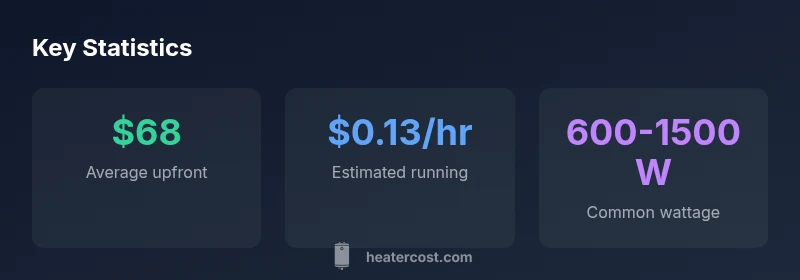
Energy costs for handy heaters hinge on two factors: wattage and usage. A 600-1500 W model can heat a small room quickly, but the running cost depends on your local electricity rate and how many hours you operate the unit. To estimate monthly costs, multiply the wattage by hours of use and by the price per kilowatt-hour (kWh). For example, a 1000 W heater run for 4 hours uses about 4 kWh; at typical rates, that results in a modest daily expense. Real-world costs vary by region and season, and a well-insulated room will dramatically reduce both energy usage and the number of hours you need to run the heater. The practical takeaway is simple: use the handy heater for targeted warmth and shut it off when the room reaches the desired comfort level. This minimizes waste and keeps energy bills in check.
From a cost-utility perspective, consider upfront price plus expected annual running costs to judge ROI. If you plan to use the unit only during cold snaps or in short bursts, the payback period tends to be shorter. Heater Cost's 2026 analysis emphasizes the importance of comparing feature sets and efficiency ratings alongside sticker price to gauge true value over a season.
Choosing the right model: wattage, safety features, and efficiency
Selecting a handy heater starts with matching wattage to room size. In general, smaller rooms up to about 150 square feet do well with 600-1000 W models, while larger spaces may require 1000-1500 W or more. However, wattage is only part of the story. Look for safety features such as tip-over protection, overheat shutoff, and certified electrical safety. An adjustable thermostat helps maintain comfort without constantly cycling heat, and energy-efficient elements—such as ceramic plates or oil-filled cores—reduce standby waste. Noise level matters for bedrooms and home offices; some models operate quietly, making them more suitable for uninterrupted work or rest. Consider ease of use, cord management, and whether the design blends with your living space. Invest time in reading independent reviews to separate marketing claims from actual performance. From Heater Cost’s perspective, the best handy heater blends reliable safety features with practical wattage and strong build quality, delivering steady warmth without dramatic energy spikes.
Operational tips: placement, usage patterns, and maintenance
Placement matters almost as much as the heater itself. Position the unit on a stable, flat surface away from drapes, furniture, or bedding, and keep at least three feet of clearance around it. If possible, place the heater near the cold side of the room to even out temperature gradients, and use a garment or space heater in a way that avoids heating empty rooms. For energy savings, run the heater in bursts rather than continuous all-day operation, and pair it with a door draft blocker or weather stripping to minimize heat loss. Regular maintenance extends life and performance: dust the vents monthly, inspect the power cord for wear, and replace a unit that shows signs of overheating or unusual smells. If a heater has a replaceable filter, clean or replace it according to the manufacturer’s instructions. Finally, store the heater safely when not in use and follow the warranty terms to ensure coverage in case of failure. In the end, the right placement and responsible usage transform a handy heater from a convenience into a cost-conscious comfort tool.
Cost comparison: handy heater vs central heating
Central heating is designed to heat entire homes but often comes with higher upfront costs and ongoing energy use. A portable handy heater, used selectively, gives you the flexibility to warm only occupied spaces, potentially reducing overall energy consumption during cold snaps. When deciding between a portable heater and central heating, compare the upfront price of the unit, installation costs (if any), and expected running costs based on local electricity prices and typical usage hours. In many homes, a combination approach works best: keep the central system for baseline warmth and supplement with a handy heater for isolated rooms or when solar gain reduces the need for full heating. Practical ROI comes from analyzing how often you would run the heater, the size of the room, and the insulation quality. Remember that cheaper models may lack durability, while premium units often justify their price through longer lifespans and better safety features. Heater Cost’s research for 2026 suggests shoppers should weigh both sticker price and operating costs to determine which option offers the most value in their particular home.
Safety considerations and warranties
Safety should be your top priority with any handy heater. Always follow the manufacturer’s placement guidelines and keep the unit away from flammable materials. Use a model with a true tip-over switch and automatic shutoff, especially when children or pets are present. Do not use adapters or daisy-chain multiple heaters; plug directly into a wall outlet to avoid overloading circuits. Keep cords in good condition, and never cover a heater, which can cause overheating. Read the warranty carefully and register the product where required; longer warranties are often a signal of manufacturer confidence in build quality. If you notice unusual smells, smoke, or sparks, discontinue use immediately and contact the seller. Routine dusting and vent cleaning helps maintain efficiency and reduces fire risk. By choosing a heater with solid safety features and honoring the warranty, homeowners can enjoy reliable warmth with peace of mind. The Heater Cost team recommends documenting your purchase, energy usage, and maintenance steps to support safe operation over the life of the unit.
Handy heater cost and specs comparison
| Model Type | Wattage Range | Use Case | Typical Price Range |
|---|---|---|---|
| Compact portable | 600-1000 W | Small rooms or personal warmth | $25-$60 |
| Mid-size portable | 1000-1500 W | Living rooms or bedrooms | $50-$120 |
| Tower/ceramic heater | 1500-2000 W | Medium rooms/offices | $60-$150 |
Got Questions?
What is a handy heater?
A handy heater is a compact, portable electric space heater designed to warm small rooms quickly. It’s meant for supplemental heat, not whole-home heating.
A portable heater is great for warming a small space fast.
What should I look for before buying a handy heater?
Look for appropriate wattage for your space, safety features like tip-over switches and overheat protection, energy efficiency, and a reliable thermostat. Check for certifications and a solid warranty.
Check wattage, safety, and warranty before buying.
Is it safe to leave a handy heater on overnight?
Most models have safety shutoffs, but it’s best to turn off and unplug when unattended. Keep away from combustibles and ensure proper clearance from walls.
Don’t rely on a heater to stay on all night; turn it off when you’re away.
How much energy does a handy heater use?
Energy use depends on wattage; most compact units run at 600-1500 W when active. Your operating cost depends on your local electricity rate and how long you run it.
Wattage determines energy use; check the label for watts.
Can a handy heater replace central heating?
A handy heater can supplement central heating but typically isn’t a complete replacement for a full-system setup, especially in larger homes.
It’s usually supplementary, not a full replacement.
What maintenance does a handy heater need?
Regularly wipe dust from vents, ensure cords are intact, and inspect safety features. Replace damaged units rather than attempting repairs.
Keep it clean and check safety features; replace damaged units.
“A well-chosen handy heater can fill comfort gaps without the long-term commitments of central heating.”
The Essentials
- Assess space size before buying to pick the right wattage.
- Prioritize safety features like tip-over and overheat protection.
- Compare upfront cost against running costs for ROI.
- Choose energy-efficient models to maximize value.