Battery Powered Tent Heaters: A 2026 Buying Guide
Explore practical guidance on battery powered tent heaters, including safety, runtimes, battery options, and budgeting for camping. A data-driven review from Heater Cost to help homeowners and campers make informed heat decisions.


A battery powered tent heater is a portable electric heater designed to run on rechargeable or external battery packs for off-grid camping. It delivers targeted warmth with limited runtime, depending on battery capacity and heater wattage. When shopping, prioritize safety features, burn-free construction, and lightweight design for backcountry use. Compare run times across models to ensure you have a plan for shelter warmth during cold nights.
Why a battery powered tent heater makes sense for camping
In off-grid camping, reliable warmth can be the difference between a comfortable night and a miserable one. A battery powered tent heater addresses this by delivering focused heat without a fuel flame or gas canister, reducing odors and emissions inside a small shelter. According to Heater Cost, these devices are best suited for cold-weather trips where access to a powered site is limited but weight remains a consideration. By selecting models that prioritize safety, ventless operation, and compact form factors, campers can maintain a stable interior temperature while preserving battery life. Expect heat output in modest ranges and plan around your battery capacity. For backpackers, the appeal is clear: lightweight, rechargeable heat when you need it, and silent operation to avoid disturbing sleeping occupants. In rain or snow, a well-chosen unit can extend camping windows or speed up acclimation when returning to a cold tent after a long day outdoors. When evaluating options, compare wattage, runtime, and overall weight to maximize comfort per gram of equipment.
Brand-safe note: Electric tent heaters do not emit combustion byproducts, but they still pose fire risks if placed near flammable materials. Always follow manufacturer guidelines and keep a clear space around the heater. Consider outdoor-rated units with tip-over and overheat protection for added safety. A thoughtful purchase balances heat output with battery capacity and total system weight, especially for backcountry trips where every gram matters.
For campers relying on portable power sources, plan for partial recharging opportunities—solar panels, USB-C banks, or high-capacity packs—to extend usability during multi-day excursions. The practical takeaway is simple: choose a model that delivers sufficient warmth for your shelter while remaining compatible with your preferred battery solution.
How battery technologies shape performance
Battery chemistry determines how much heat you can pull from a given pack and how long you can sustain it. Lithium-ion and LiFePO4 cells are common choices in portable heaters because they offer favorable energy density, cycle life, and stability. Heavier packs tend to cost more but provide longer runtimes, while lighter options sacrifice duration for travel convenience. For camping, LiFePO4 often provides a safer, longer-lasting performance in cold environments, minimizing voltage drop and maintaining steadier heat output. When selecting a battery, consider the wattage of the heater (how much power it draws) and the capacity of the pack (how much energy it stores). A high-wattage heater paired with a small battery can produce immediate warmth but quickly drain the pack, whereas a lower-wattage unit can prolong runtimes at the expense of peak heat. Always check the compatibility between the heater’s power draw and the battery’s discharge rate to avoid derating performance in freezing conditions.
To maximize efficiency, store batteries in a temperature-stable location before use and avoid repeated deep discharges. Smart battery management, including a low-battery cutoff and safe recharging protocol, helps protect both the battery and heating element. In practical terms, expect a range of runtime outcomes based on the battery’s capacity and the heater’s wattage—anticipate shorter sessions in very cold nights and longer ones in milder evenings. By understanding battery technology, you can plan heat availability for sleep and comfort during your camping trip.
Key features to compare before you buy
When evaluating battery powered tent heaters, look for heat output flexibility (adjustable watts), safety features (automatic shutoff, tip-over switch, overheat protection), and battery compatibility (built-in pack vs. removable external packs). A good model balances warmth with efficiency, offering a range of heat settings to tailor performance to tent size and ambient temperature. Check for silent operation if you’re a light sleeper, and verify that the unit has a compact form factor suitable for backpacking. Some models provide integrated battery packs and charging ports, while others require external packs. In terms of safety, prefer units with protective grilles, secure mounting options, and clear user manuals that explain venting and placement. Finally, assess ease of maintenance—units with simple cleaning and replaceable components are more resilient on extended trips. The best buys typically combine adjustable output, reliable safety features, and compatibility with commonly available battery platforms, reducing the need for specialized purchases.
Battery options for off-grid heat
Off-grid campers have several battery strategies to keep a tent heater running. An integrated high-capacity rechargeable pack is convenient but may limit heat duration. External packs—such as portable power banks or modular LiFePO4 kits—offer longer runtimes and easier upgrades, at the cost of extra weight. For ultralight trips, model selection often prioritizes compact internal batteries paired with a flexible charging plan: solar panels during the day and a USB-C power bank at night. When evaluating external packs, calculate energy density (Wh), weight, charging speed, and compatibility with your heater’s input voltage. If you plan multi-day use, a modular approach (heater plus separate battery pack) helps you stagger heat availability while you recharge during daylight hours. Always verify the maximum discharge current and avoid exceeding the battery’s safe operating window, which can degrade performance or shorten life. In all cases, consider the total system weight—your shelter’s balance depends on minimizing bulk without sacrificing warmth.
Safety considerations when using electric heaters in tents
Safety is paramount when using any heater in a camping shelter. Electric heaters reduce combustion risks but introduce electrical and fire hazards if used improperly. Always place heaters on stable, non-flammable surfaces away from sleeping areas, tents walls, and gear. Keep cords organized to prevent tripping or pulling the unit over, and ensure adequate ventilation in enclosed spaces to minimize heat buildup and moisture. Use devices designed for outdoor use and verify IP ratings for moisture resistance if exposed to dew or rain. Do not operate heaters simultaneously with other high-draw devices, and avoid daisy-chaining batteries or chargers. If you notice unusual heat, smell, or noise, shut the unit off and inspect for damage. Following the manufacturer’s safety instructions and performing routine checks reduces the risk of fire or electrical faults. With careful placement and power management, a battery powered tent heater can provide reliable warmth without the dangers associated with open flames.
Real-world usage scenarios and expected runtimes
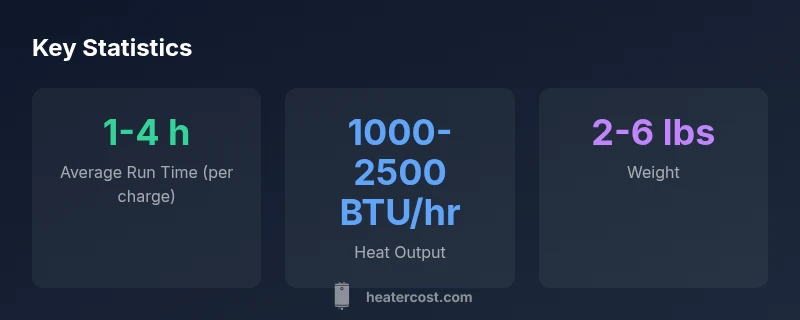
In real-world camping, runtimes depend heavily on battery capacity, heater wattage, and ambient temperature. A compact 100-200 Wh pack may deliver 1-2 hours at higher heat settings, while a larger 500-1000 Wh kit can sustain several hours on a low setting. For a mid-size tent, a heater rated around 1500-2000 BTU/hr often balances warmth and energy consumption, enabling a night-long performance on a single mid-range pack if temperatures are modest. In colder conditions, plan for shorter runtimes and consider swapping or recharging packs mid-trip. To extend life, opt for the lowest effective heat setting during sleeping hours and reserve higher outputs for dressing, cooking, or quick warmth boosts. Always monitor battery voltage and heat output to avoid exhausting power mid-night. If you anticipate long nights away from charging options, pre-warm your shelter before turning in and use layered bedding to complement heat retention.
Setup tips for maximum efficiency
Efficient use starts with correct placement. Place the heater toward the center of the tent, away from walls and flammable materials, with a clear space around it. Elevate the unit if possible to allow warm air to circulate, and angle the air flow toward sleeping areas where warmth is most needed. Use a low-to-moderate heat setting rather than max output to extend battery life; combine this with insulating measures such as reflective blankets or ground tarps to reduce heat loss. Keep batteries close to your body when feasible to maintain performance in cold weather, but avoid exposure to moisture or direct contact with the heater’s heat source. Charge packs in moderate environments when possible, and use solar charging during daytime to maximize uptime while camping off-grid. A well-planned setup minimizes heat waste and ensures you’re comfortable when sleeping and resting inside your tent.
Maintenance and care to extend life
Regular maintenance helps prolong the life of battery powered tent heaters. After each trip, inspect the heater’s casing, cord, and air intake for dust and debris; clean with a soft brush or cloth. Store batteries in a cool, dry place away from direct heat, and avoid full discharges which can shorten cycle life. Check connectors for corrosion and test safety features annually to ensure that auto shutoff and tip-over protections still function. If your heater uses external packs, store them separately from the unit to reduce accidental damage and ensure compatibility with future battery technologies. Replace worn parts promptly, and follow manufacturer recommendations for servicing intervals. With proper care, your heater remains reliable across seasons and multiple camping trips.
How to choose a model that fits your trips
When selecting a battery powered tent heater, align wattage with tent size, expected night-time temperatures, and your planned battery capacity. A smaller tent may only need 1000 BTU/hr, while larger shelters or colder nights require higher output. Consider models that are rugged, have simple control interfaces, and offer safe, sealed electrical connections for damp environments. If you’re a frequent camper, invest in a modular setup that lets you upgrade battery packs as technology advances, rather than replacing the heater. Evaluate customer reviews focused on battery performance in cold weather and on actual field reliability. By balancing heat needs, battery flexibility, and durability, you choose a tent heater that provides consistent warmth without excessive weight or cost.
Comparison of battery powered tent heater types
| Category | Typical Output (W) | Battery Type | Typical Runtime (hours) | Notes |
|---|---|---|---|---|
| Mini unit | 120-200 | Lithium-ion | 1-3 | Best for ultralight trips |
| Mid-range | 200-400 | Lithium-ion / LiFePO4 | 2-5 | Balanced heat and runtime |
| High-output | 500-1000 | LiFePO4 | 1-2 | For extended use in cold tents |
Got Questions?
What is a battery powered tent heater?
A battery powered tent heater is a portable electric heater that runs on rechargeable or external battery packs, designed for camping off-grid. It provides targeted warmth without combustion, making it suitable for small tents and shelters. Always use on a stable surface and follow safety guidelines.
A battery powered tent heater is a portable electric heater that runs on batteries, offering warm but controlled heat for tents. Use it on a stable surface and follow safety tips.
How long can these heaters run on a typical battery pack?
Run times vary widely by battery capacity and heater wattage. Expect about 1-4 hours on common packs for modest heat, with longer durations possible on larger packs or lower heat settings. Plan for mid-trip recharges if you’ll be using them overnight.
Run time depends on the battery and heat level; typically 1 to 4 hours, extendable with bigger packs.
Are battery powered tent heaters safe to use in tents?
Yes, when used correctly. Keep the heater away from fabrics and gear, ensure proper ventilation, and use models with safety features like tip-over and overheat protection. Do not leave unattended while plugged in, and inspect cords for wear.
Yes, with proper placement, ventilation, and safety features like tip-over protection.
What should I consider when choosing one for camping?
Consider heat needs, battery compatibility, weight, and durability. Look for adjustable wattage, safety features, and ease of charging. Check reviews for cold-weather performance and battery reliability.
Think about heat needs, battery type, and safety features; read reviews for cold-weather performance.
Can I charge batteries from solar panels?
Yes, many portable packs are compatible with solar charging. Ensure your solar setup matches the battery’s voltage and charging requirements, and factor in sun exposure and angle for best results.
Yes, you can charge via solar if your gear supports it.
“In the field, the right battery powered tent heater delivers warmth without sacrificing safety or portability. The best models balance heat, runtime, and battery compatibility to keep you comfortable on multi-day trips.”
The Essentials
- Define heat needs before choosing a wattage.
- Balance runtime against battery weight and cost.
- Prioritize safety features and proper placement.
- Consider modular batteries for longer trips.
- Follow manufacturer safety guidelines for best results