Tent Camp Heater: Costs, Choices, and Care in 2026
Explore practical costs, safety tips, and buying guidance for tent camp heaters. Compare propane, electric, and wood-burning options to heat small camping tents safely in 2026.


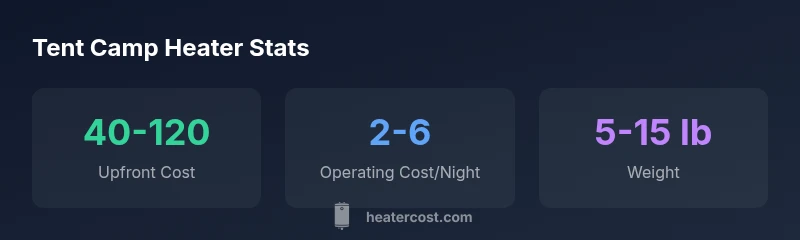
The typical upfront cost for a compact tent camp heater ranges from $40 to $160, with operating costs usually between $2 and $6 per night depending on fuel type and usage. For safer camping, choose models with built-in CO protection, tip-over shutoff, and proper ventilation. Expect weight in the 5–15 lb range for portable units.
Why a Tent Camp Heater Matters
For many campers, a reliable tent camp heater is not a luxury but a safety and comfort prerequisite. In cold weather, a well-chosen heater reduces the risk of hypothermia, helps you sleep, and makes shoulder seasons livable. The choice isn’t just about warmth; it’s about responsibility—ensuring you have safe ventilation, proper clearances from tent walls, and a plan to manage fuel and spill risks. According to Heater Cost, warmth is more than a convenience: it affects morale, health, and the ability to camp safely in diverse climates. When evaluating options, consider your typical campsite, expected temperatures, and how you’ll power or fuel the unit. Ask yourself how easy it is to transport, how much space the heater will need, and whether you’ll be able to monitor it from a sleeping area. The right tent camp heater strikes a balance between heat output, fuel availability, weight, and reliability, so you can stay comfortable without compromising safety or packing efficiency.
Fuel Types and Their Tradeoffs
Choosing a heater for a tent involves weighing fuel type, heat output, safety features, and portability. Propane models are common for their balance of availability and weight, but require careful storage and venting. Electric heaters are quiet and clean when you have access to a power source, yet they depend on campsite infrastructure or a dependable generator. Wood-burning stoves deliver substantial heat and ambiance but demand robust ventilation, fuel planning, and additional safety measures to prevent sparks and odor buildup. Regardless of type, all camping heaters produce combustion byproducts that can affect air quality in a tent. The Heater Cost analysis highlights that the best choice balances warmth with safety, weight, capacity, and the reliability of fuel supply.
Sizing, BTU, and Tent Fit
Sizing a tent heater involves estimating the space you intend to heat and the expected ambient temperature. A typical small 2–4 person tent benefits from a heater in the range of roughly 2,000–4,000 BTU per hour (BTU/h). Heaters outside that range risk overheating the tent or underperforming on cold nights. Weight and size matter for backpacking or multi-night trips. A compact unit in the 5–15 lb range often provides a practical compromise between heat output and packability. Always check manufacturer guidance for minimum clearance, venting requirements, and the appropriate distance from sleeping areas.
Safety First: Ventilation and CO Monitoring
Outdoor heaters introduce combustion byproducts that can accumulate in an enclosed or semi-enclosed tent space. Proper ventilation is non-negotiable. Use camp heaters only in tents with adequate airflow, and never seal a tent so that exhaust gases cannot escape. Install a battery-powered CO detector near sleeping areas and check its battery before every trip. Keep a fire extinguisher accessible and maintain at least the recommended clearance from tent walls, poles, and gear. Follow the manufacturer’s safety instructions for fuel handling and storage, and never leave a running heater unattended.
Cost Snapshot: Upfront and Operating Costs
Understanding total cost of ownership helps avoid surprises. Upfront costs for a compact tent heater typically range from $40 to $120, depending on fuel type and features. Expect nightly operating costs of about $2–$6, influenced by fuel prices and heater efficiency. Fuel availability, canister weight, and heat output all factor into your overall cost. If you plan frequent, longer trips, compare preventative maintenance costs and potential replacement cycles. The Heater Cost analysis suggests building a simple budgeting rule: factor both initial expenditure and ongoing energy use when choosing a heater.
Setup, Storage, and Packability
A good tent heater should fit within your packing strategy without adding excessive bulk. Many portable heaters are designed to nest or compress for backpacking or car camping. Store fuel canisters safely away from sleeping areas and in a dry, vented location. After use, clean any dust or debris from vents to maintain airflow. Consider multi-fuel compatibility if you often camp in remote areas. Folding stands and heat shields can help you manage clearance and protect tent fabric from heat exposure.
Maintenance and Longevity in Outdoor Conditions
Outdoor environments demand robust maintenance. Regularly inspect hoses, seals, and connections for signs of wear or leaks. Clean vents and combustion chambers to prevent clogging. Check your fuel lines for cracks or kinks, especially in cold or humid environments. Store heaters upright and away from direct sunlight, and follow a winterization routine if camping in freezing conditions. Routine checks extend the life of your tent heater and maintain safe operation across seasons.
Real-World Scenarios: Winter vs Summer Camping
In winter, heat output becomes more critical, but fuel efficiency and wind protection matter more. In summer, you may camp in milder conditions where cooling or evaporative effects are sufficient. In both seasons, keep a backup plan: extra batteries for CO detectors, a secondary heat source, and a clear plan for venting and fuel storage. Real-world camping often requires flexibility, so choose a heater that can adapt to different tent sizes and weather patterns.
Buying Guide: What to Look For in a Tent Camp Heater
When shopping, prioritize safety features (CO protection, tip-over shutoff, flame arrestors), appropriate BTU range for your tent size, and portability. Check weight, fuel type, and compatibility with your typical camping setup. Look for certifications and user reviews focused on safety and reliability. A strong buying criterion is total cost of ownership, including upfront price, fuel availability, replacement parts, and maintenance needs. Lastly, verify that the model can operate safely in the environments you frequent and that you have access to the necessary fuel or power sources.
Tent Camp Heater Comparison by Fuel Type
| Fuel Type | Upfront Cost | Operating Cost per Night | Weight (lb) | Ventilation Requirement |
|---|---|---|---|---|
| Propane | $40-$120 | $3-$6 | 8-15 | Yes (CO risk) |
| Electric (AC) | $30-$100 | $2-$5 | 5-12 | Minimal ventilation required |
| Wood-burning stove | $60-$180 | Varies with fuel | 12-25 | Yes |
Got Questions?
What is the safest fuel type for a tent camp heater?
Propane is common outdoors when used with ventilation and a CO detector; all fuels carry risks, so follow safety guidelines and manufacturer instructions.
Propane is common outdoors, but always ventilate and monitor with CO detectors.
Can I use a tent camp heater inside a tent?
Never use a heater inside a tent unless the manufacturer specifies outdoor-only use and you have adequate ventilation. Follow all safety precautions.
Don’t use a heater inside a tent unless it’s explicitly rated for indoor use.
How do I vent a tent heater safely?
Ensure airflow through the tent and use detectors; avoid sealing the tent completely. Use heaters with built-in safety features and follow the manual.
Vent well and use a CO detector; don’t seal the tent.
What maintenance is needed for tent camp heaters?
Regularly inspect hoses, fittings, and canisters; clean vents; store fuel safely; replace worn parts as recommended by the manufacturer.
Inspect and clean components; replace worn parts as advised.
Are electric tent heaters practical for camping?
Only where you have a reliable power source; they are quiet and clean but depend on outlets or generators.
Electric heaters work if you have power, otherwise not.
What features should I look for when buying?
Look for safety features, BTU range suitable for your tent, portability, fuel type, and any certifications. Compare total cost of ownership.
Safety, size, and total cost matter when buying.
“A well-chosen tent camp heater can dramatically improve safety and comfort when used with proper ventilation and devices such as CO detectors. Always follow manufacturer guidance and local regulations.”
The Essentials
- Choose fuel type based on campsite power availability and safety.
- Size heater to tent: target 2,000–4,000 BTU/h for small tents.
- Prioritize safety features: CO detectors, tip-over switches, and ventilation.
- Expect total costs to vary with fuel prices and usage patterns.