Camping Heaters: A Practical Guide to Portable Warmth
A data-driven Heater Cost guide comparing propane, butane, and electric camping heaters, with safety tips, sizing guidance, and budgeting strategies for 2026.


Portable camping heaters come in propane radiant, butane canister, and electric (12V) models, each serving different needs. Propane and butane units excel off-grid warmth and quick heat, while electric heaters work where power is available. The ideal choice depends on your shelter type, trip length, and fuel availability. Safety remains paramount: ensure ventilation, have CO detectors, and keep extinguishing options within reach.
Why a camping heater matters
For many outdoor enthusiasts, a heater for camping is more than comfort; it’s safety and usability. The right portable heater can extend camping seasons, make cold nights tolerable, and prevent condensation that can affect gear and shelter integrity. According to Heater Cost, safe, portable heaters are essential in tents, cabins, or trailers when temperatures drop. The guidance here emphasizes not only warmth but also fuel logistics, shelter size, and weather resilience. Before buying, consider how often you’ll camp in damp or chilly environments, how you’ll power the device, and how you’ll store extra fuel. A well-chosen heater can improve comfort without compromising safety or packing efficiency.
The goal is to balance warmth output with practical limits: shelter volume, fuel availability, and weight carried. In all cases, the reader should align the choice with the specific camping scenario—backcountry site, road trip campground, or RV park. Heater Cost’s approach uses transparent comparisons and realistic usage scenarios to help you pick a model that fits your needs while keeping safety front and center.
Types of heaters suitable for camping
Camping heaters come in three broad families: propane/butane canister models, electric 12V/Battery models, and hybrid or specialty devices designed for shelter interiors. Propane and butane units excel in warmth-to-weight ratio and work well where fuel canisters are easy to transport. Electric models rely on a vehicle or campsite power source and typically offer quieter operation and less fuel handling. Hybrid devices attempt to blend benefits, but their performance varies by environment. When shopping for a heater for camping, think about fuel supply reliability, weather exposure, and how easy it is to replace or refill fuel during a trip. Heaters used in tents should prioritize safety features like auto shutoff and tip-over protection, and you should always ventilate the space appropriately.
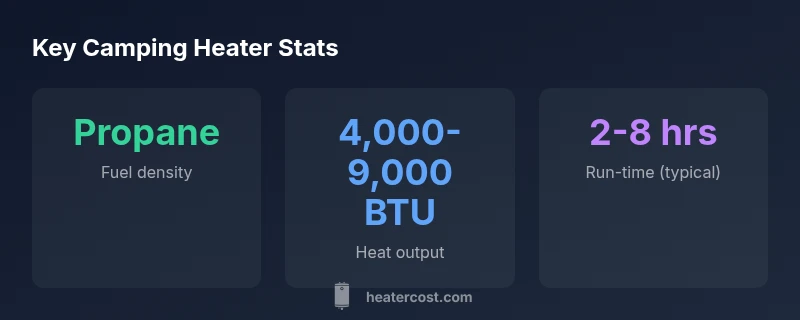
Among hobbyists and professionals, propane remains the most common choice for off-grid camping due to its fuel density and portability. Butane is a close second for short trips, while electric units can be ideal in RVs or car camping with a dedicated power source. Bear in mind that outdoor conditions affect performance: wind, temperature, and shelter design influence heat retention. By weighing these factors, you can choose a reliable heater that keeps you comfortable without adding unnecessary bulk.
Propane vs. butane vs. electric: Pros and cons
Propane heaters offer high heat output and broad availability of canisters, making them popular for longer trips and colder climates. They’re generally more robust in windy conditions and still portable, though the canisters can add weight. Butane units are compact and efficient for short trips but offer a narrower operating range and slightly higher fuel cost per unit of heat. Electric 12V models excel in quiet operation and safe, indoor-friendly use when you have a dependable power source. They’re ideal for RVs or car campsites where access to electricity is consistent. The main trade-offs are fuel logistics for propane/butane versus the need for a reliable power supply for electric units. For many campers, a small propane heater paired with a backup electric option provides dependable warmth across variable conditions.
When evaluating options, consider heat stability in your shelter and the ease of refueling. It’s also worth noting that some electric models require a powered vehicle or portable generator, which adds weight and complexity. This is where a balanced approach shines: identify your core use case and select the model that delivers sufficient BTU output for your space without overburdening your packing list.
Safety considerations when camping with a heater
Safety is the top priority when using a heater for camping. Never operate any heater in an enclosed tent without adequate ventilation. CO buildup can be dangerous even at low temperatures, so you should place detectors near sleeping areas and test them regularly. Keep heaters on stable surfaces away from fabrics and flammable gear, and use propane/butane canisters in outdoor or semi-outdoor environments whenever possible. When using electric heaters, avoid extension cords that can overheat and always unplug when leaving the shelter. Store fuel canisters upright and away from heat sources, and never modify equipment to increase heat output.
In cold weather, prevent condensation by maintaining a small but safe airflow. If you’re camping with children or pets, choose models that have clear safety shutoffs and tip-over protection. Heater operation should be treated like any other potential hazard: plan ahead, keep a fire extinguisher handy, and have a contingency plan for power outages or fuel depletion. Heater Cost emphasizes safety as the most important feature when evaluating camping heat options, regardless of fuel type.
Sizing and fueling: how to pick the right BTU and fuel capacity
Sizing your heater for a camping scenario means matching heat output to shelter size, typical outside temperatures, and air leakage. Tent-sized spaces often require lower BTU values than larger cabins or vehicle interiors. Start with a conservative BTU estimate based on your shelter volume, then account for wind and dampness. Fuel capacity is equally important: longer trips require more fuel, but the extra weight reduces portability. Fuel availability along the route will also affect your choice; some campers prefer canister-based systems for their simplicity, while others rely on refillable tanks for extended trips. Heater Cost’s guidance is to target models that can maintain comfortable warmth without excessive heat, while still offering a quick heat-up when you arrive at a campsite.
Electric options should be sized to match your power source’s capacity. A vehicle-mountable or portable battery system can run a small heater, but this adds weight. Real-world testing shows that propane systems commonly strike the best balance for backcountry scenarios, while electric options shine where infrastructure exists. Always verify the shelter’s ventilation and test heat output before fully relying on a heater for an overnight stay.
Practical usage scenarios: tent camping, car camping, RVs
In tent camping, space is limited and heat retention is critical. Choose a compact unit with built-in safety features, use it in well-ventilated areas, and avoid placing the heater directly against walls or sleeping areas. In car camping, you often have access to a power source, making electric heaters a practical option for staying warm during late-night gear checks or cooking. For RVs and trailers, you’ll benefit from a higher BTU unit that runs on propane or electricity with built-in safety features and space-saving design. Each scenario has distinct constraints: fuel logistics and weight for tents, power availability for vehicles, and ventilation for enclosed spaces. Heater Cost recommends a modular approach: carry a primary heater for warmth and a backup option for contingency.
Consider campsite regulations and local safety guidelines, which may restrict certain fuel types in specific areas. Always practice Leave No Trace principles, pack out empty canisters, and ensure your shelter has proper airflow. A well-chosen heater improves comfort while preserving safety and energy efficiency across camping modalities.
Maintenance, storage, and transport: keeping gear safe and ready
Maintenance is often overlooked but crucial for reliable operation. Inspect hoses and fittings for signs of wear, replace damaged components, and store fuel canisters in a cool, ventilated area away from direct sun. Clean any dust from vents after use and check for corrosion or leaks. When you transport heaters, secure them to prevent movement and ensure canisters aren’t stacked in a way that could damage seals. Storage in a dedicated outdoor kit makes setup faster on future trips. For electric units, keep batteries charged and inspect connections for wear. Adhering to a routine maintenance plan helps ensure your heater performs well in cold weather and minimizes the risk of fuel leaks or CO-related hazards during camping.
The Heater Cost team recommends performing a quick pre-trip safety check, including confirming CO detectors are present and functional, testing the auto shut-off feature, and verifying fuel levels before departure.
Cost considerations and budgeting strategies
Budgeting for a camping heater involves evaluating upfront cost, fuel costs, and ongoing maintenance. Propane and butane options typically require regular canister purchases, while electric models incur electricity or battery costs. Instead of focusing on exact prices, think in terms of overall value: weight, heat output, and reliability under typical camping conditions. Consider your travel frequency, seasonal needs, and the availability of fuel on your routes. The best approach is to categorize options by value: entry-level units for casual trips, mid-range devices for frequent campers, and premium models for extreme or extended-season use. Heater Cost’s framework helps you compare total cost of ownership and predicted durability across models, avoiding overbuying for sporadic trips.
On multi-day trips, carry spare fuel and backup power if relying on electric heat. For long expeditions, choose a fuel economy-focused option and plan logistics to minimize waste and refueling downtime. The aim is practical warmth that’s affordable over time rather than a premium model that rarely proves necessary.
Setup checklist before your trip
Before you head out, run a quick setup checklist to ensure prompt, safe warmth upon arrival. Confirm the shelter size and heat requirements, check fuel levels, and inspect safety features. Pack CO detectors, a fire extinguisher, and heat-resistant mats. Verify the heater’s stability on flat surfaces and ensure space around the unit is clear of fabrics or gear. Review ventilation plans for tent use and verify power sources for electric heaters in RVs or vehicle campsites. Finally, practice safe shutdown procedures, so you can quickly turn off heat when weather or campsite conditions change. A well-planned setup minimizes last-minute stress and maximizes comfort during your camping adventure.
Camping heater type comparison
| Model Type | Key Features | Ideal Use |
|---|---|---|
| Propane radiant heater | High warmth, quick heat, run on small canisters | Backpacking, car camping |
| Butane canister heater | Compact, easy to store, stable fuel | Short trips in mild conditions |
| Electric 12V heater | Quiet, no fuel storage, needs power | RV or vehicle camping |
Got Questions?
What is the safest heater option for camping?
Propane heaters with built-in safety features and a CO detector in well-ventilated spaces reduce risk. Always follow manufacturer guidelines and keep fire safety equipment accessible.
Propane heaters with safety features and proper ventilation are the safest choice for camping.
Can I use a home space heater for camping?
No. Home space heaters are not designed for outdoor use, fuel variability, or the unpredictable conditions of camping. Use purpose-built camping heaters instead.
Don’t use home space heaters when camping; choose a heater built for outdoors.
How do I size a camping heater?
Estimate heat needs based on tent or shelter volume, outside temperatures, and air leakage. Start with a conservative BTU range and account for wind and condensation.
Measure your space, consider the climate, and choose a BTU range accordingly.
What maintenance is required?
Inspect hoses and connections, replace worn parts, clean vents after use, and carry spare fuel or batteries. Test safety features before trips.
Check hoses, vents, and safety features after each trip.
Are electric camping heaters safe in rain or damp areas?
Electric heaters should be used in dry areas with a reliable power source. Keep connections off wet surfaces and avoid running cords through damp zones.
Use electric heaters only in dry, protected areas with power.
Should I use a CO detector with camping heaters?
Yes. Place a battery-powered CO detector near sleeping areas and test it regularly, especially where heaters are used for warmth.
Always have a CO detector on camping trips with heaters.
“Safety and practicality must guide every camping heat choice. A well-sized heater paired with proper ventilation reduces risk while keeping your tent comfortable.”
The Essentials
- Choose fuel type based on power access and trip length
- Prioritize ventilation, CO safety, and auto shut-off
- Size BTU to shelter volume and climate
- Weigh fuel logistics against weight and space
- Practice pre-trip safety checks and maintenance