Will Heater Burn My Fish? A Complete Troubleshooting Guide
Urgent troubleshooting guide on aquarium heaters: can they burn fish, safe placement, testing, and a step-by-step plan to protect aquatic life. Learn quick fixes and prevention with Heater Cost.


Will heater burn my fish? The most likely danger is overheating the water or direct contact with the tank if the heater is mispositioned or malfunctioning. The quick fix is to unplug, move the heater away from direct contact with the tank, and check the thermostat. According to Heater Cost, always confirm the unit is rated for aquarium use and test with a thermometer before re-energizing.
Understanding the risk: will heater burn my fish
If you're asking will heater burn my fish, the root concern is twofold: overheating water and improper placement. In many homes, a heater that runs too hot or sits in direct contact with the tank glass can transfer excess heat to the water, stressing fish or causing tissue damage. According to Heater Cost, safer operation hinges on using equipment rated for aquarium use, following the manufacturer’s instructions, and verifying the water temperature with a reliable thermometer. Not all heaters are created equal; subpar models or damaged elements can fail to regulate heat, creating hot spots that fish cannot tolerate. Even new heaters can fail if cords are frayed or the thermostat knob is bumped.
In addition to technical faults, placement matters. A heater placed too close to the glass or near a strong heat source (like direct sun or a bright lamp) can create uneven heating. The risk to fish rises quickly if equipment is misused. A thoughtful, methodical approach—using a properly rated heater, keeping it submerged per guidelines, and regularly inspecting components—minimizes danger. The Heater Cost Team emphasizes pre-use checks and routine maintenance to prevent dangerous outcomes, especially in homes with kids or pets around where accidental contact with hot components is possible.
Safe heater selection and placement
Choosing a heater designed for aquarium use is essential to reduce fire and burn risks. Look for models with reliable safety features, such as automatic shutoff, temperature regulation, and clear labels indicating aquarium compatibility. Placement matters most: keep the heater fully submerged according to the manufacturer’s guidelines, away from tank corners, and not directly against the glass where heat can pool. For peace of mind, install it away from reach of curious pets and children, and use a protective guard if the unit is within reach. Regularly inspect the power cord for wear and avoid using extension cords in wet environments. A properly selected and positioned heater reduces the chance of thermal hotspots and protects your fish. Heater Cost recommends periodic checks and using a calibrated thermometer to verify the actual water temperature matches the thermostat setting.
Electrical safety and setup basics
Electrical safety is non-negotiable when operating any heater near an aquatic environment. Use a GFCI outlet and avoid daisy-chaining power strips. Ensure the outlet is dry before plugging in and keep all connections elevated away from splashes. Inspect the plug and cord for cracks or exposed wires, and replace damaged components immediately. Do not attempt DIY repairs on a failing heater—contact the manufacturer for service or replacement. When in doubt, unplug the unit and consult a professional. Following these steps minimizes the risk of electrical shock or fire while keeping the water at a stable, safe temperature for your fish.
Monitoring and testing your setup
Regular monitoring is the key to early trouble detection. Invest in a reliable aquarium thermometer and place it away from direct heat sources to get an accurate reading. Compare the water temperature to the thermostat setting on the heater; if there’s a mismatch, recalibrate or replace the device. Observe fish behavior for signs of stress, such as rapid breathing, lethargy, or hiding; these can indicate abrupt temperature changes or overheating. Keep a simple log of water temperature readings and any adjustments you make. Periodic power-down tests—unplugging the heater briefly and then restoring power—can help verify the safety mechanisms work as intended. The goal is a stable environment that supports healthy aquatic life, not sudden heat spikes.
Common causes of overheating and how to avoid them
Overheating can occur for several reasons: a thermostat that won’t hold the set temperature, placing the heater where it heats the tank unevenly, or a damaged temperature sensor that no longer regulates heat. External factors like ambient room temperature swings, bright sunlight on the tank, or proximity to other heat sources can compound the issue. Regularly inspect for corrosion, mineral buildup, or sediment around the heater as these can affect performance. Make a habit of cleaning the heating element per the manufacturer’s instructions and replacing worn parts promptly. By maintaining a clean, well-positioned system, you reduce hot spots and create a safer, more predictable environment for fish.
Practical maintenance steps you can perform today
Maintenance is easier when you break it into small tasks. Start with a visual inspection of the heater, cord, and plug for damage. Move the unit to a stable position, ensuring it remains fully submerged and away from direct tank contact. Calibrate or verify the temperature against a trusted thermometer, and adjust the heater’s setting if needed. Flush and clean any mineral buildup around the intake or outlet as recommended by the user manual. Finally, test the setup by powering it on and watching the water temperature stabilize within a safe range. These routine checks help prevent overheating and extend the life of the equipment.
Long-term prevention and safe operation habits
Long-term safety comes from consistent routines and quality equipment. Use heaters that are explicitly rated for aquarium use, keep them submerged within the advised depth, and replace any device showing signs of wear. Establish a regular testing schedule with a dependable thermometer, and avoid countertop experiments that could lead to accidental burns or water temperature spikes. Document your maintenance and keep a spare replacement heater on hand in case of failure. A proactive approach reduces risk and supports healthy fish for years to come.
Steps
Estimated time: 45-60 minutes
- 1
Power down and unplug
Turn off and unplug the heater before touching any components. This prevents shocks and accidental heat exposure. Remove fish from immediate proximity if needed, and set the tank light to a safe level while you work.
Tip: Always handle electrical gear with dry hands and use a non-slip surface. - 2
Check placement
Confirm the heater is fully submerged and positioned away from the glass and direct flow. If it is touching glass or in a corner, reposition it following the manufacturer's guidelines. Ensure there’s adequate clearance around the device.
Tip: Keep the heater in the middle of the tank where water circulates best. - 3
Inspect the thermostat
Look for a visible dial or digital readout. If the temperature setting seems excessive or unstable, reduce it and observe changes over several hours. Replace the unit if the setting won’t hold.
Tip: Document the current setting before adjusting so you can revert if needed. - 4
Test with a thermometer
Place an accurate aquarium thermometer away from the heater’s immediate influence and compare the reading to the thermostat. A significant discrepancy indicates a faulty sensor or calibration issue.
Tip: Use a secondary thermometer for cross-verification. - 5
Reignite and monitor
Plug the heater back in and monitor for a stable reading over time. Look for fluctuations. If instability persists, discontinue use and seek a replacement heater.
Tip: Monitor for several hours after re-energizing. - 6
Document and plan replacement
Record the outcome of the test and plan to replace any failing component. Keep spare parts on hand and consider a model with built-in safety features for future setups.
Tip: Choose a model with automatic shutoff and clear temperature readouts.
Diagnosis: Fish exhibit stress or unusual behavior when the heater is active
Possible Causes
- highThermostat set too high or unit defaulting to max
- mediumHeater placed too close to glass, causing heat concentration
- lowMalfunctioning sensor or failing element
Fixes
- easyLower the thermostat to a safe range and verify with a thermometer
- easyRelocate heater away from glass and ensure full submersion per guidelines
- mediumUnplug, inspect for damaged cords, and replace heater if sensors fail
Got Questions?
Can a heater burn my fish?
Yes, a heater can cause damage if it overheats the water or causes direct heat exposure to fish. Using aquarium-rated devices and proper placement minimizes this risk, and regular monitoring helps catch issues early.
Yes. Heaters can burn fish if the water overheats or if heat is concentrated near fish. Use aquarium-rated gear and monitor temperature to prevent harm.
What signs indicate overheating in a fish tank?
Watch for rapid gill movement, erratic swimming, or hiding. Temperature readings that are consistently high compared to the set point also indicate overheating risk.
Look for stressed or swimming irregularities and consistently high temperatures that don’t match the setting.
How should I position an aquarium heater to prevent heat buildup?
Place the heater away from the glass and ensure even water flow around the unit. Submerge fully per the manual and avoid direct contact with tank walls or decor that could trap heat.
Keep it out from directly against the glass and ensure water circulates around it.
Is it safe to leave an aquarium heater unattended while away?
If you’ll be away for an extended period, use a thermostat-controlled heater and consider a trusted automatic shutoff model. Do not rely on manual checks during long absences.
Not ideal to leave a heater unattended. Use automatic controls and set up monitoring if you’re away.
When should I replace an old heater?
Replace if you notice inconsistent temperatures, signs of wear, or failed safety features. Newer models with built-in protection offer better reliability and safer operation.
Replace if it won’t maintain a safe temperature or shows wear.
Watch Video
The Essentials
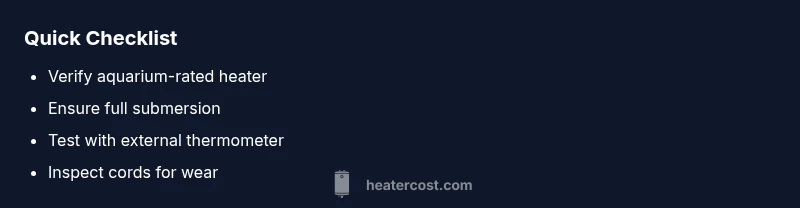
- Verify aquarium-rated equipment only
- Keep heater fully submerged and away from glass
- Test temperature with an external thermometer
- Replace faulty units promptly