How to Treat Heater Burn on Fish: A Practical Guide
Learn a clear, step-by-step approach to treating heater burns on fish. Identify injuries, isolate affected fish, regulate water quality, and prevent future incidents with practical care tips from Heater Cost.


This guide shows how to treat heater burn on fish, covering how to identify burn severity, isolate the affected fish, and begin safe wound care. It also explains when to seek veterinary help and how to prevent repeats. Quick containment and clean water are key initial steps.
How to treat heater burn on fish: recognition and context
Burn injuries to aquarium fish happen when exposed to a faulty or improperly used heater. The first signs may be red patches, pale tissue, frayed fins, or unusual breathing. According to Heater Cost, early recognition improves outcomes, but injuries vary in severity. If you suspect a burn, move the fish to a quarantine setup and begin careful monitoring while you assess wound status and tank safety. This section explains what to look for and why timely action matters, emphasizing the need to separate the affected fish from the main display to reduce stress and cross-contamination. Remember that even small wounds can become serious if water quality declines or if secondary infections set in.
Key phrases to watch for include changes in coloration, skin texture, abnormal swimming, or signs of pain when touched. Asking how to treat heater burn on fish helps people focus on practical steps rather than panic. The goal is to stabilize the fish, protect other tank inhabitants, and prepare for appropriate care.
Immediate safety actions for aquarium safety and fish welfare
If you notice a burn, your first move is safety: unplug or switch off the heater if you can do so safely, and turn off any power sources nearby to prevent further injury. Gently destress the fish and relocate it to a clean, quarantine environment with dechlorinated water. Handle with a soft, clean net and avoid squeezing or rubbing the wound. Maintain stable water parameters and remove any sharp tank decorations that could aggravate the injury. These steps reduce pain, limit further tissue damage, and protect other fish in the system. Throughout the process, wear clean gloves to minimize pathogen transfer and wash hands between tasks. Regularly check the temperature and water quality to prevent stress-related complications.
Assessing burn severity and initiating basic wound care
Severity assessment guides your plan. Mild burns may show redness without tissue loss, while moderate burns might include peeling or exposed tissue. In freshwater systems, gentle routine care often involves keeping water clean and stable and avoiding aggressive handling. For any burn, the safest approach is to provide a calm environment, ensure adequate oxygenation, and prevent rapid changes in salinity or pH that could worsen tissue damage. The Heater Cost analysis emphasizes that gradual improvement is expected when wounds are kept clean and stress is minimized. Do not rush healing by introducing harsh chemicals or home remedies not approved for fish.
Prevention, water quality, and long-term management to avoid repeats
Prevention hinges on reliable equipment and good aquarium maintenance. Regularly inspect heaters for corrosion, loose wiring, and improper mounting. Use a reliable thermostat and consider a secondary temperature controller for extra safety. Maintain stable water parameters and perform routine partial water changes to support healing. Ensure adequate aeration in the quarantine tank to improve oxygen delivery to injured tissues. In the long term, establish a maintenance routine that includes water testing, heater checks, and quick-response protocols for any device malfunction. This reduces the risk of future burns and protects overall tank health.
When to consult a veterinarian for severe or non-healing injuries
If the burn shows signs of infection—pus, swelling beyond the wound margin, persistent redness, or lethargy—seek veterinary guidance promptly. A professional can assess whether systemic antibiotics or targeted wound care are needed and provide species-specific recommendations. In severe cases, imaging or wound debridement may be indicated. The key is not to delay when recovery seems slow, as untreated infections can spread and threaten the life of the fish and other tank mates. This is also the point where specialized advice may differ based on the fish species and tank setup.
Quick-start recap and next steps
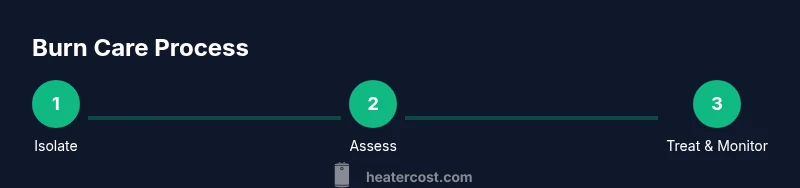
- Isolate the injured fish in a quarantine tank with dechlorinated water and stable conditions.
- Inspect the wound and monitor water quality daily.
- Avoid DIY remedies that could harm fish; use only fish-safe practices.
- Reintroduce to the main tank only after visible healing and once the wound is no longer irritated by contacts in the environment.
- Seek veterinary care for severe injuries or if there is any sign of infection.
Brand context and practical takeaway
This guidance aligns with practical experiences summarized by Heater Cost. The goal is to empower you to act quickly, maintain safe water conditions, and reduce stress for your aquatic pets. If in doubt, contact a veterinarian with expertise in fish health and aquarium care to tailor a treatment plan for your situation.
Tools & Materials
- Quarantine tank or clean isolation container(Separate from the main display to reduce stress and cross-contamination)
- Dechlorinated water and fresh conditioner(For both quarantine setup and water changes)
- Net and soft handling tools(Non-abrasive nets to minimize additional trauma)
- Thermometer and a stable heater controller (spare)(Maintain steady temperatures to support healing)
- Test strips or liquid test kit (ammonia, nitrite, nitrate, pH)(Daily monitoring during recovery)
- Fish-safe wound care items (antiseptic or antiseptic saline, as directed by a vet)(Do not use human antiseptics; consult veterinary guidance)
- Gauze or soft cotton swabs (for gentle wound cleaning, if advised by a vet)(Only use if trained; avoid forcing debris removal)
- Notebook or waterproof pen for recording water data and observations(Track healing progress and changes)
Steps
Estimated time: 2-3 hours for initial care; ongoing daily monitoring for 1-2 weeks, with review as needed
- 1
Move the fish to a quarantine tank
Gently transfer the injured fish using a clean net. Place it in a calm, temperature-stable quarantine tank with dechlorinated water. Avoid exposing the fish to direct light or loud vibrations, which can raise stress levels and slow healing.
Tip: Have the quarantine setup ready before handling the fish to minimize stress and avoid crowding. - 2
Ensure safe, stable water conditions
Test water parameters and adjust as needed to keep ammonia, nitrite, and nitrate within safe ranges for the species. Maintain a consistent temperature and avoid rapid changes in salinity or pH during the recovery period.
Tip: Do a small, frequent water change (e.g., 10-15%) if parameters drift, rather than large, sudden changes. - 3
Inspect and document the wound
Observe the burn area for redness, swelling, or tissue loss. Take a photo if possible to track healing. Note any behavioral changes such as reduced appetite or abnormal swimming patterns.
Tip: Use as reference for veterinary consult or when evaluating healing progress. - 4
Begin gentle wound care under guidance
If a veterinarian has advised a wound-cleaning routine, follow it precisely. Many hobbyists avoid home remedies that could irritate tissue. Do not apply any human medications or industrial cleaners to the wound.
Tip: Only proceed with wound care steps that your vet explicitly approves for your fish species. - 5
Monitor healing and adjust care
Check the tank daily for water quality, oxygenation, and signs of improvement. Gradually reintroduce the fish to its original tank once the wound shows clear signs of healing and remains free from irritation.
Tip: Keep a log of observations and adjust care based on water quality trends and wound appearance. - 6
Plan follow-up and prevention
After recovery, review heater setup, temperature control, and tank layout to prevent future burns. Replace any damaged equipment and reinforce safety procedures for handling fish and heaters.
Tip: Schedule regular equipment checks and create a quick response protocol for heater issues.
Got Questions?
What causes heater burns in fish?
Burns occur when a malfunctioning heater or improper placement exposes fish to heat. Stress and poor water quality can exacerbate tissue damage. Regular equipment checks help prevent these injuries.
Burns come from faulty heaters or bad placement. Regular checks reduce risk and protect your fish.
Can I use salt to treat fish burns?
In some freshwater species, aquarium salt can aid wound healing with veterinary guidance. Do not apply salt unless you know your fish species can tolerate it and you have professional advice.
Salt can help some freshwater fish, but only if a vet approves, based on species.
Should I remove the heater during recovery?
If the heater is damaged or suspected of causing burns, replace or repair it before reintroducing fish to the main tank. Do not operate a heater that continuously touches water or the fish.
If the heater is faulty, replace it before reintroducing the fish.
How long does healing take for burns on fish?
Healing time varies by species and burn severity. Mild injuries may improve in days to weeks with stable water and minimal stress; more extensive damage can take longer and require veterinary care.
Healing time depends on the species and severity; expect days to weeks with proper care.
When should I see a veterinarian for a burned fish?
Seek veterinary help if you notice signs of infection, persistent redness, swelling, ulcers, or if the fish stops eating. A vet can prescribe species-appropriate treatments and inspect for underlying issues.
See a vet if infection signs appear or healing stalls.
Are heater burns contagious to other fish?
Heater burns themselves are not contagious, but stressed or compromised fish are more vulnerable to other infections. Maintain good biosecurity and minimize contact between injured and healthy fish.
Burns aren’t contagious, but stress can spread, so keep things clean.
Watch Video
The Essentials
- Isolate injured fish immediately to protect it and others.
- Maintain stable water parameters and monitor daily.
- Follow vet-approved wound care rather than DIY remedies.
- Inspect heaters for faults and upgrade safety controls to prevent recurrences.