How to Use a Heater in an Aquarium: A Complete Guide
Learn how to safely use a heater in your aquarium: pick the right wattage, install correctly, set accurate temps, and maintain the unit to prevent overheating and ensure a stable aquatic environment.


Using a heater in an aquarium safely means sizing, placement, and ongoing monitoring to keep stable water temperature for your fish and plants. This guide explains how to use heater in aquarium setups, including selecting wattage, mounting correctly, setting safe temperature targets, and checking temps with a reliable thermometer. Follow these steps to reduce stress on aquatic life and prevent overheating.
Overview of Aquarium Heaters
Aquarium heaters maintain a stable environment for fish, corals, and plants by offsetting heat loss and countering night cooling. Heaters come in submersible and inline varieties, with different mounting needs and sensing methods. When you ask how to use heater in aquarium, remember that a well-chosen heater is matched to tank size, species warmth needs, and your room temperature. A properly functioning heater minimizes stress and helps your aquatic life thrive. In this section, we cover how heaters work, how to read thermostat settings, and what to look for in a quality unit.
A good heater should provide reliable control, consistent heat distribution, and a clearly visible setting. The thermostat is your primary control, but temperature readings come from thermometers, not the unit alone. To prevent sudden heat spikes, pair your heater with good circulation and a secondary thermometer for verification. Throughout this article you will learn how to use heater in aquarium safely and effectively, including placement, monitoring, and maintenance steps.
Choosing the Right Wattage, Temperature Targets, and Species Needs
Selecting the right wattage and temperature targets is essential for the health of your aquarium. A common starting point is to size the heater to your tank's volume and the warmth required by your inhabitants; however, exact wattage varies with heat loss, room temperature, and the species you keep. Tropical tropical fish typically thrive in warmer water than coldwater species, while delicate coral systems require tighter control. When you plan the setup and ask how to use heater in aquarium, factor in daytime vs. nighttime temperature swings, the presence of lighting, and any heaters already in use for redundancy. Always set the thermostat to the manufacturer's recommended range for your species and verify with a thermometer after powering on.
Correct Placement, Installation, and Safety Considerations
Place the heater in a well-circulated area where water flows past the sensing element. Avoid placing directly on the substrate or behind décor that could trap heat or block sensors. Secure the heater with the supplied suction cups so it stays in a stable position and remains fully submerged. Do not tape the heater to the glass; do not cover the intake or outlet with rocks or plants. For safety, use a GFCI outlet and never handle electrical devices around water while the power is on. If your tank height is tall, consider mounting the heater slightly above mid-height to ensure accurate sensing at the level where fish swim. This section outlines essential checks before powering on.
Placing the heater correctly is a simple but crucial step. A misaligned heater can create hot spots or fail to sense water temperature accurately. Ensure the heater is fully submerged and that the power lead reaches a safe outlet without stretching across the tank. When done properly, your heater will respond predictably when the room temperature shifts, helping you maintain a stable environment for your aquatic life.
Temperature Monitoring and Safety Checks
After installing, allow the system to stabilize for 15–30 minutes and then verify the reading with a second thermometer placed at the far end of the tank. Use consistent measurement points and avoid placing thermometers directly in the heater's jet or near direct light. If readings differ significantly, adjust placement or consider a secondary heater to balance heat evenly. Maintain a consistent ambient temperature in the room, as large swings undermine stability. Document readings to track changes over days and weeks.
Regular monitoring is the backbone of a healthy tank. Even a tiny drift can stress fish and disrupt beneficial bacteria. By cross-checking temperatures at multiple points, you can catch sensor drift or circulation problems early. Keep a simple log for quick reference during weekly maintenance.
Maintenance, Troubleshooting, and Common Issues
Regular inspection extends heater life and protects aquatic life. Look for corrosion, mineral buildup, or cracks in the casing, and replace a faulty unit promptly. Clean the exterior with a damp cloth; never immerse the control electronics. Test the thermostat periodically by setting a known temperature and observing the actual tank temperature. If the tank overheats, verify that the heater is never running dry and that the thermostat engages correctly. Common issues include thermostat drift, failed auto-off safety, and weak suction cups losing grip. Address these promptly.
A worn-out thermostat or a damaged heater housing can silently compromise a tank. Create a quick monthly checklist: inspect the unit, test temperature accuracy, verify secure mounting, and confirm safe outlet connections. If you notice accelerated mineral buildup on your heater, clean it according to manufacturer guidelines, and consider replacement if performance declines. Timely upkeep prevents larger problems and keeps inhabitants comfortable.
Real-World Scenarios and Quick-Start Checklist
- Confirm tank volume and species needs before purchasing a heater. - Mount the heater where water is circulating, keeping it submerged. - Use a reliable thermometer and verify readings at two points. - Connect to a GFCI outlet and avoid extension cords. - Monitor temperatures daily and adjust as needed. In practice, a 20-gallon tank with tropical fish benefits from stable temperatures around 24–26°C, with a clean, consistent power supply, and regular maintenance to prevent drift. This section helps you apply the concepts to common situations.
Tools & Materials
- Aquarium heater (adjustable thermostat with safety shutoff)(Choose a model rated for your tank size; look for built-in temperature probe and auto shutoff.)
- Thermometer (digital probe or glass)(Place at least 2 measurement points; calibrate if possible.)
- GFCI-protected power outlet or surge protector(Use a dedicated outlet; ensure splash protection.)
- Suction cups or mounting hardware(Secure heater so it remains fully submerged and in circulating water.)
- In-tank cleaner or soft cloth(For exterior cleaning; avoid soaking control electronics.)
Steps
Estimated time: 30-60 minutes
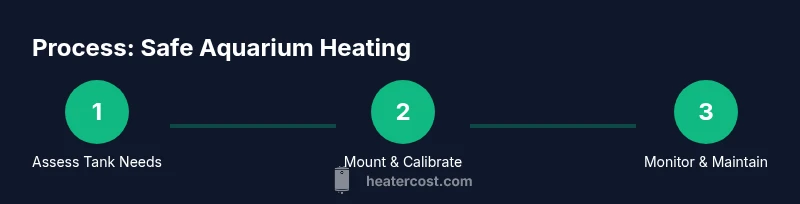
- 1
Assess tank needs and target temperature
Decide the target range based on species and room temperature; this drives heater sizing and settings. Consider day vs night fluctuations and any nearby heat sources. Document your target range for future reference.
Tip: Write down the target range and keep it visible near the tank. - 2
Choose and install the heater
Select a heater sized for your tank and install according to the manufacturer’s instructions, ensuring it is fully submerged. Check that power cords reach a safe outlet without bending or pinching. Verify the unit fits behind décor without obstructing flow.
Tip: Do a dry-fit test in a powered-off tank before adding water. - 3
Mount the heater correctly
Use the supplied suction cups to secure the heater in a stable position away from direct flow paths and ensure the sensing element is in flowing water. Avoid placing near rocks or decorations that could block sensors. Confirm the heater remains submerged when you fill the tank.
Tip: Aim the sensing element so it reads the main water column, not a stagnant corner. - 4
Plug in safely and test
Connect to a GFCI outlet, power on, and observe the initial temperature response over 15–30 minutes. Do not touch the heater or electronics while powered. If you see rapid changes, pause and recheck placement.
Tip: Ensure hands are dry and unplug after testing before rechecking readings. - 5
Verify temperature stability
Compare readings from two thermometers and adjust the thermostat if needed to maintain the target range. Watch for gradual drift over the next several hours. Keep a simple log of temperatures for trend analysis.
Tip: Allow 24 hours to assess stability under normal room conditions. - 6
Ongoing monitoring and maintenance
Regularly check temperatures, calibrate if possible, and inspect the heater for wear or corrosion. Replace the unit if you notice signs of damage or reduced accuracy. Maintain a routine to keep the environment steady for inhabitants.
Tip: Set a monthly maintenance reminder to keep your system reliable.
Got Questions?
What is the safest way to start using a heater in an aquarium?
Begin with a conservative heat target and verify temperatures with a secondary thermometer. Ensure the heater is fully submerged and connected to a GFCI-protected outlet before turning on. Keep an eye on readings for the first 24 hours.
Start with a low target, double-check readings with a second thermometer, and plug the heater into a GFCI outlet before turning it on.
Can I rely on the heater's thermostat alone?
No. Thermostats can drift; always verify with an independent thermometer placed away from direct heat sources. Consider redundancy for critical tanks.
No—use a second thermometer to confirm the temp. Avoid relying solely on the heater's thermostat.
Should I use one heater or multiple?
Most setups do well with a single properly sized heater. Multiple heaters can provide redundancy and even heating, but require balanced placement and monitoring to avoid hot spots.
One heater usually suffices, but you can add a second for redundancy if you monitor them carefully.
How often should I replace a heater?
Replace a heater if you notice thermostat drift, visible wear, leaks, or persistent temperature instability. Do not delay; a failing heater risks harm to aquatic life.
Replace if you see drift or wear. Don’t delay when temps are unstable.
What temperature range is safe for common tropical fish?
Aim for a stable range appropriate to your species, avoiding rapid changes. Maintain consistent temperatures to reduce stress on fish and microbes.
Keep a stable, species-appropriate temperature and avoid quick swings.
Is it safe to place a heater near LEDs or lighting?
Yes, as long as the heater is fully submerged and installed correctly. Lighting can influence algae growth, but it doesn’t affect heater safety when installed properly.
Yes, just keep it submerged and properly installed; lights don’t change heater safety.
Watch Video
The Essentials
- Know tank size and target temp to size the heater.
- Choose a heater with reliable safety features and proper calibration.
- Mount and orient the heater to ensure accurate sensing and even heating.
- Regular monitoring and maintenance prevent drift and protect aquatic life.