When to Change a Water Heater Element: A Practical Guide
Learn when to change a water heater element, how to test for faults, and a safe, step-by-step replacement process for homeowners and DIYers.


This guide explains the key signs that signal when to change a water heater element, how to safely diagnose faults, and a clear, step-by-step replacement process. You’ll learn to distinguish between repair vs. replacement, estimate time, and protect your home during the job.
Why the element fails and why it matters
A water heater element is a critical component that converts electrical energy into heat. Over time, mineral buildup, sediment settling at the bottom of the tank, or wear can cause the element to underperform or fail. When this happens, you may notice longer heating times, inconsistent hot water, or cold pockets in the middle of a shower. The Heater Cost team notes that element failures can lead to higher energy use as the heater runs longer to reach the desired temperature. If you rely on hot water for daily tasks, recognizing these symptoms early helps prevent larger, more disruptive problems. In some homes, sediment can insulate the element, making it work harder and shorten its life. Keeping an eye on performance and scheduling a test when trouble appears can save energy and reduce bills over time.
Safety first: power, water, and environment
Before touching any electrical components, safety must come first. Turn off the power at the circuit breaker feeding the water heater and verify there is no voltage at the unit with a non-contact tester. Shut off the cold-water supply to minimize water flow into the tank. Protect yourself with gloves and safety glasses, and ensure the area around the heater stays dry. This is non-negotiable: working on live electrical equipment near water can cause serious injury. If you’re unsure about any step, contact a licensed technician. According to Heater Cost, operating a failing element can increase energy waste, so interruptions should be handled promptly and safely.
Diagnosing the problem: signs and tests you can trust
Diagnosis starts with a careful evaluation of symptoms and a safe test. Look for: uneven hot water, longer-than-usual heating times, or a tripping breaker when the heater cycles. Use a multimeter to test the element for continuity after disconnecting the wiring. If the resistance is very high, abnormally low, or shows open circuit, the element is likely defective. Do not rely on symptoms alone; a proper electrical test confirms whether the element or the thermostat is at fault. Heater Cost analysis emphasizes testing before replacement to avoid unnecessary work and expenses.
When to replace vs. repair: practical decision criteria
Not every failure requires a full replacement. If only one element shows signs of wear and the other components test well, a replacement might be cost-effective. If the tank is old, multiple mineral problems exist, or you have frequent leaks around the element hatch, replacement often makes more sense. Consider the total cost, including parts, labor, and potential accidental damage. Heed local codes and safety requirements; in some cases, a professional inspection is wise to ensure you aren’t masking a bigger issue.
How to choose the right replacement element (key considerations)
Replacement elements come in various wattages and thread sizes. Check your water heater’s label to confirm the correct wattage (commonly 4500W on many electric tanks with 240V circuits) and the thread type before purchasing. Always replace the gasket and use thread sealant or Teflon tape as needed to prevent leaks. If you live in a hard-water area, you might consider a more durable, high-temperature gasket. Choosing the wrong element risks overheating, blowing fuses, or voiding warranties. When in doubt, consult the manufacturer guidance or a qualified technician. Budget-wise, plan for the element cost plus a small service charge if you hire a pro; Heater Cost’s budgeting guidance can help you estimate total potential costs for your home setup.
Maintenance tips to extend the life of your water heater and its elements
Regular maintenance can extend the life of both the tank and the heating element. Flush the tank annually or as recommended by your manufacturer to minimize mineral buildup. Inspect the element seals and the access panel for corrosion or moisture. A well-maintained system heats more efficiently and reduces energy waste, aligning with broader energy-cost considerations. Small proactive steps now can delay more expensive replacements later, which is a core principle in Heater Cost’s cost-management framework.
How Heater Cost can help you budget this change
For homeowners and property managers, understanding the cost dynamics of replacing a water heater element is essential. Heater Cost highlights that labor costs, parts quality, and local rates influence the total project price. Use a conservative budgeting approach: factor in parts, reasonable labor, disposal, and any necessary code-related permits if required by your area. This approach minimizes surprises and helps you balance comfort, safety, and energy efficiency in your home.
Authority sources and further reading
- U.S. Department of Energy: Water heaters and energy-saving tips. https://www.energy.gov/energysaver/water-heaters
- Environmental Protection Agency: Green Homes tips for water heating. https://www.epa.gov/greenhomes
- Occupational Safety and Health Administration: Electrical safety basics. https://www.osha.gov
Tools & Materials
- Multimeter(Test element resistance; set to Ohms.)
- Non-contact voltage tester(Verify power is off before starting.)
- Socket wrench or element wrench(Loosen and remove the element cover plate.)
- Bucket(Catch water when draining the tank.)
- Garden hose or drain line(Attach to drain valve if you plan to flush.)
- Replacement heating element(Ensure correct wattage and thread size.)
- Teflon tape or thread sealant(Seal threads to prevent leaks.)
- Gasket kit or replacement gasket(Use if gasket shows wear or damage.)
- Safety gloves and eye protection(Protect hands and eyes from sharp edges and debris.)
Steps
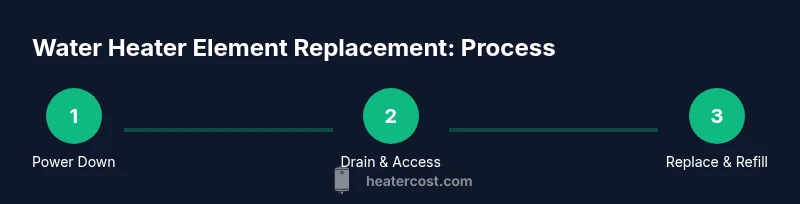
Estimated time: 60-90 minutes
- 1
Power down and verify no voltage
Locate the circuit breaker for the water heater and switch it to OFF. Use a non-contact tester to double-check the absence of voltage at the heater terminals. This step prevents accidental shock during wiring work.
Tip: Always assume a live circuit until proven otherwise. - 2
Shut off water supply to the tank
Close the cold-water shutoff valve feeding the tank to minimize incoming water while you work. This reduces the risk of splashing and makes drainage safer and cleaner.
Tip: If the valve is stiff, apply a little penetrating oil and wait a few minutes before turning it off. - 3
Drain the tank to a safe level
Open a hot-water faucet elsewhere in the house to vent air as you drain. Attach a hose to the drain valve and let the water flow into a bucket or floor drain until the level is low enough to remove the element.
Tip: Drain only to the bottom third to minimize sediment handling while exposing the element. - 4
Remove the access panel and insulation
Unscrew the access plate from the tank and peel back the insulation to expose the element. Be careful not to damage wiring inside the access area. Note the wiring arrangement for reassembly.
Tip: Take a photo of the wiring layout before disconnecting anything. - 5
Disconnect and remove the old element
Carefully disconnect the element’s wires and unscrew the element using a socket wrench. Inspect the gasket for wear and replace if damaged. Clean the threaded hole to ensure a good seal with the new element.
Tip: If the old gasket sticks to the tank, leave it in place and install a fresh gasket with the new element. - 6
Install the new element and gasket
Wrap threads with Teflon tape, align the new element, and thread it in by hand before tightening with a wrench. Do not over-tighten, which can crack the tank. Reconnect the wires exactly as they were labeled.
Tip: Use a torque-friendly approach; snug is usually enough for plumbing fittings. - 7
Refill the tank and check for leaks
Close the drain valve if used, and open the cold-water supply. Allow the tank to fill while watching for leaks around the new seal. Once full, restore electrical power only after the tank is filled.
Tip: If you hear hissing or see water around the seal, shut down and retighten carefully. - 8
Restore power and test operation
Turn the breaker back ON and set the thermostat as needed. Let the water heat, then verify hot water temperature and ensure no leaks. A final run of a few minutes confirms stable operation.
Tip: Test at a faucet after a short wait to ensure the heater cycles normally. - 9
Document results and schedule maintenance
Record the replacement date and any observations for future maintenance. Schedule annual flushing and inspection to prevent buildup and extend element life.
Tip: Set a calendar reminder to re-check the system annually.
Got Questions?
Do I need to drain the tank before changing the element?
Yes. Draining reduces pressure, helps you access the element, and minimizes spills. Always perform this step with care and follow safety guidelines.
Yes, you should drain the tank before removing the element to avoid splashes and burns.
Can I replace a water heater element myself?
Yes, with basic electrical and plumbing skills, proper tools, and attention to safety. If you’re unsure, hiring a licensed professional is wise.
It’s doable for a handy homeowner with the right tools, but contact a pro if you’re unsure.
What tools do I need for replacing a water heater element?
A socket wrench, multimeter, non-contact voltage tester, replacement element, Teflon tape, and a bucket. Additional safety gear is recommended.
You’ll need a socket wrench, multimeter, voltage tester, a new element, and tape.
How can I tell the element is failing besides no hot water?
Look for inconsistent hot water, longer heating times, strange noises, or frequent tripping of breakers. These can indicate a failing element or related thermostat issues.
Watch for uneven hot water, noises, or tripping breakers as signs of trouble.
Is replacement cheaper than calling a plumber?
DIY replacement can save on labor, but consider parts, tools, and the risk of improper installation. A professional may be more economical in complex cases.
DIY can save money if you’re comfortable with electrical work, but pros can help in tricky situations.
What maintenance helps prevent premature element failure?
Annual flushing of the tank and inspecting gaskets extend element life and improve efficiency. Regular checks also help catch issues early.
Regular flushing and inspections protect the element and save energy.
Watch Video
The Essentials
- Identify signs of element failure early.
- Always switch off power and drain safely before work.
- Use the correct wattage and gasket on replacement.
- Test thoroughly and monitor for leaks after replacement.
- Regular maintenance reduces premature failures.