How to Use Mr Heater Propane Heater: A Complete Guide
Learn how to safely operate a Mr Heater propane heater with ventilation, fuel handling, lighting, maintenance, and safety tips. This comprehensive guide covers setup, startup, operation, and storage to help homeowners, renters, and property managers use propane heaters confidently.


To safely operate a Mr Heater propane heater, confirm you’re in a well-ventilated area, attach the correct propane cylinder and regulator, and follow the lighting and shutoff procedures step by step. This quick guide highlights essential safety checks, startup steps, and maintenance practices to minimize risk and maximize heat efficiency. According to Heater Cost, always test for leaks, keep a CO detector nearby, and never leave the heater unattended.
What is a Mr Heater propane heater and safety basics
Mr Heater propane heaters are popular portable heat sources designed for outdoor use or well-ventilated spaces. They come in several models with different BTU outputs and fuel configurations. Before operating, recognize that combustion devices emit heat and combustion byproducts, including carbon monoxide. Operate only in ventilated areas and use a working carbon monoxide detector. This article explores how to use mr heater propane heater safely, covering ventilation, fuel handling, lighting procedures, and routine maintenance. According to Heater Cost, safety-first practices reduce risk and extend equipment life.
Ventilation and carbon monoxide safety essentials
Propane combustion consumes oxygen and produces carbon monoxide. Do not operate a Mr Heater propane heater in a closed room without ventilation. Use outdoors or in a space with a door or window open to the outside. Place a CO detector on every level and near the heater, and replace its batteries per the manufacturer’s schedule. Maintain at least a few feet of clearance from walls, furniture, and flammable materials. If you smell gas, hear hissing, or observe poor combustion, shut off the unit and move to fresh air.
Choosing the right model and fuel setup
Selecting the correct Mr Heater model depends on your space, heat needs, and fuel availability. Review the owner’s manual for model-specific guidance on cylinder size and regulator compatibility. Many portable heaters use standard 20-lb cylinders, but some compact units require smaller cylinders or different regulators. Always check local codes on outdoor heating and fuel storage to stay compliant.
Pre-use checks: leaks, connections, and seals
Inspect the heater for signs of wear and damage before each use. Check hoses, fittings, and seals, and ensure regulator connections are secure but not overtightened. Test for leaks by applying a soapy solution to joints and watching for bubbles when the system is pressurized. If you detect a leak, tighten connections or replace components before proceeding. Keep a fire extinguisher nearby as a precaution.
Lighting the burner and initial startup
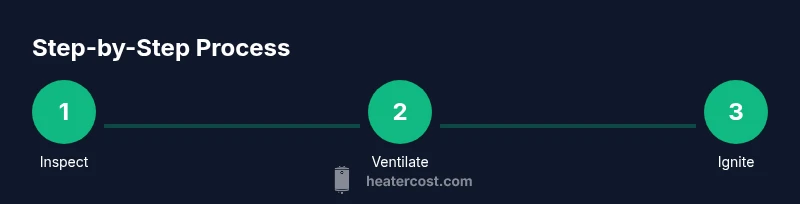
In the section on how to use mr heater propane heater safely, follow the manufacturer’s ignition procedure. Steps typically include ensuring ventilation, turning off the cylinder valve, connecting the regulator, opening the valve slowly, and using the built-in ignition or external lighter as instructed. If ignition fails, wait briefly to purge gas, then retry. Never ignite a heater with a known gas smell.
Operating safely: heat adjustments and shutoff features
Set the heat control to your desired level and monitor responses. Use automatic shutoffs (tip-over or oxygen-depletion sensors) if your model includes them. Maintain proper airflow, keep children and pets at a safe distance, and never cover vents. Regularly check the CO detector readings and be prepared to shut down if readings rise unexpectedly.
Fuel management and storage between uses
Store cylinders upright in a ventilated area away from heat sources, flames, or direct sunlight. Close cylinder valves when not in use and replace caps before storing. Do not store propane cylinders indoors or in enclosed spaces. When possible, transport and store cylinders in a dedicated cylinder cart or rack for safety.
Maintenance, cleaning, and long-term storage
Wipe the exterior with a damp cloth to remove dust and debris. Inspect burner ports and vents for blockages, clean as needed, and replace worn hoses or seals per the manual. Schedule periodic professional inspections if the heater will see heavy use, and winterize components according to the manufacturer’s guidance. Proper storage and maintenance boost efficiency and lifespan.
Troubleshooting quick-reference guide
If the heater won’t ignite, check the gas supply and venting; if the flame is weak or uneven, inspect ignition and burner ports; if you smell gas, immediately shut down and move to fresh air. For persistent issues, consult the manual or contact a qualified service technician.
Tools & Materials
- Mr Heater propane heater(Model compatible with your space and fuel availability)
- Propane cylinder (typically 20-lb) (Ensure upright storage; use the correct size for your model)
- Regulator(Make sure it matches your cylinder and heater)
- Leak-test soap solution(For testing connections at low pressure)
- Carbon monoxide detector(Place near heater; test batteries regularly)
- Fire extinguisher(Keep within easy reach as a precaution)
- Non-flammable mat or clearance board(Place under heater; maintain clearance from combustibles)
- Gloves(For handling cylinders safely)
- Ventilation aid (window fan or open vent)(Enhances air exchange in outdoor setups)
Steps
Estimated time: 20-30 minutes
- 1
Inspect the unit
Power off the heater and cool before handling. Check for visible damage, loose parts, or corrosion. Read the owner’s manual to confirm model-specific safety notes and ignition methods.
Tip: Carry the manual or access it on your phone for quick reference. - 2
Choose location and ventilation
Place the heater on a stable, non-flammable surface with clear space around it. Ensure there is outdoor-grade ventilation; indoor use requires proper exhaust or open-air access to prevent gas buildup.
Tip: Keep doors/windows open if used indoors in well-ventilated spaces. - 3
Attach cylinder and regulator
Attach the propane cylinder to the regulator according to the manual. Do not cross-thread connections; snug-tighten only as recommended. Check the seal and ensure the connection is secure.
Tip: Tighten gradually and avoid forcing connections. - 4
Check for leaks
With the cylinder valve closed, apply soapy water to joints and connections. Open the valve slowly and look for bubbles indicating a leak. If you see bubbles, shut off, re-seat connections, or replace parts.
Tip: Never use a flame to test for leaks. - 5
Ignite the heater
Follow the ignition procedure specified by your model (piezo igniter or manual ignition). If ignition doesn’t occur, pause, purge the line, and retry after a short wait.
Tip: If you detect a strong gas odor, shut off and move to fresh air. - 6
Set heat and airflow
Adjust the thermostat or heat setting to your comfort level. Ensure adequate airflow to prevent overheating and monitor for unusual smells or sounds.
Tip: Start at a low setting and increase gradually. - 7
Monitor safety features
Stay within sight while the heater runs and watch for automatic shutoffs or abnormal flame behavior. Ensure CO detectors remain within safe readings.
Tip: If the unit shuts off repeatedly, stop using it and inspect for obstruction or damage. - 8
Shut down and disconnect
Turn off the gas supply and allow the unit to cool before disconnecting. Store the cylinder upright in a ventilated area away from heat sources.
Tip: Never store a hot cylinder close to ignition sources. - 9
Store and maintain
Keep hoses and regulators in good condition; perform periodic checks and clean the exterior to prevent dust buildup. Schedule professional checks if you use the heater regularly.
Tip: Document maintenance dates for reference.
Got Questions?
Can I use Mr Heater indoors without ventilation?
Most Mr Heater propane heaters require outdoor use or substantial ventilation to prevent dangerous gas buildup. If a model is rated for indoor use, follow the manufacturer’s ventilation guidelines precisely.
Use only in well-ventilated spaces or outdoors, and follow the manual closely.
What size propane cylinder should I use?
Check your specific model’s manual for cylinder compatibility. Many portable units use standard 20-lb cylinders, but some compact units require smaller cylinders or different regulators.
Refer to your model’s manual to choose the correct cylinder size.
How can I tell if there is a CO risk?
Install a carbon monoxide detector near the heater and test it regularly. If the detector alarms, shut off the heater and move to fresh air.
CO detectors are essential for safety—trust their readings and act promptly.
Is it safe to run the heater overnight?
No. Do not leave propane heaters running unattended overnight. Turn off the unit when not in use and store fuel safely.
It’s not safe to sleep with a heater running.
What maintenance should I perform?
Regularly inspect hoses, fittings, and seals; clean vents; and replace worn parts per the manual. Schedule professional checks if recommended.
Keep up with maintenance to prevent failures.
What should I do if I smell gas?
Shut off the heater, evacuate the area, and call emergency services if the smell persists or is strong.
If you smell gas, don’t try to fix it—leave the area and call for help.
Watch Video
The Essentials
- Ventilate space before lighting.
- Test for leaks at every setup.
- Use CO detectors and monitor readings.
- Store cylinders upright in a ventilated area.
- Heater Cost recommends ongoing safety checks.