How to Get Rid of Heater Burns: A Practical Guide for Homeowners
Learn safe first aid, prevention, and practical steps to treat heater burns at home. This guide from Heater Cost covers immediate care, when to seek medical help, cost considerations, and prevention tips to minimize future injuries.


You will learn how to treat heater burns safely at home, including immediate first aid steps, signs you need medical care, and practical prevention strategies to reduce future injuries. This guide also covers when to seek professional help and how to document costs and care considerations for budgeting. Follow these steps to minimize pain, speed healing, and protect vulnerable household members.
What causes heater burns and who is at risk
Heater burns occur when skin comes into contact with hot heater components, radiators, exposed coils, or steam. They can also result from malfunctioning equipment or hot surfaces near heaters. In homes, young children, older adults, and people with reduced sensation or neuropathy are especially vulnerable because heat can damage tissue more quickly without immediate awareness. Understanding how these burns happen helps you act fast and reduce tissue injury. Prevention starts with proper placement of heaters, guarding hot elements, and keeping flammable materials away. Early, careful care also lowers the likelihood of infection and scarring. In this article, we share practical, proven steps you can use today. As you read, remember that quick, calm action is your first defense in any heater burn incident.
Immediate first aid steps for heater burns
When a heater burn occurs, act quickly but calmly. Begin by cooling the area under cool running water for 10–20 minutes to halt tissue damage and lessen pain. Remove rings, bracelets, or watches if swelling is possible. Do not apply ice, butter, oils, or toothpaste—these can worsen damage or trapping heat. Gently pat dry with a clean cloth and cover with a sterile, non-adherent dressing to protect the wound and prevent friction. If pain is significant, take an OTC analgesic per label directions, and avoid combining remedies that could irritate the wound. Monitor for redness, swelling, or blistering, and seek medical care if the burn covers a large area or involves the face, hands, feet, or genitals. Prompt care reduces complications.
When to seek medical care and risk factors
Not all heater burns require a doctor, but certain situations do. Seek medical attention for burns larger than a palm, deeper blistering, or any signs of infection after 24–48 hours (increasing redness, warmth, or pus). People with diabetes, immune compromise, poor circulation, or sensory impairment should be evaluated sooner, as healing can be slower and complications more likely. Burns on the face, joints, or genital areas warrant professional assessment due to functional and cosmetic concerns. For children, older adults, or pregnant individuals, err on the side of caution and consult a clinician promptly. Early professional guidance can prevent long-term issues.
Cleaning and wound care at home
After initial cooling and assessment, gently cleanse the surrounding skin with clean water and mild soap, avoiding harsh scrubbing. Apply a thin layer of antibiotic ointment if advised by a clinician, then cover with a sterile, non-adherent dressing. Change dressings daily or whenever they become wet or dirty, and wash your hands before touching the wound. Avoid reusing old dressings. If you notice persistent pain, redness, swelling beyond 48 hours, or fever, contact a healthcare professional. Proper wound care promotes faster healing and reduces infection risk.
Pain management and wound healing
For minor heater burns, OTC analgesics such as acetaminophen or ibuprofen can help manage pain, following the product label and your health considerations. Elevate the affected area if possible to reduce swelling. Do not apply ice directly or use home remedies that irritate the wound. Monitor healing; as redness and pain diminish, you can resume normal activity gradually. Seek medical care for worsening pain, spreading redness, or signs of infection. Proper pain control supports gentle movement and faster recovery.
Prevention strategies to reduce future burns
Preventive steps dramatically reduce the chance of future heater burns. Place heaters on stable, level surfaces away from curtains, bedding, and other flammables. Use protective guards or barriers to keep children and pets from touching hot elements. Regularly inspect cords, plugs, and outlets for damage, and never leave portable heaters unattended. Install and maintain smoke detectors and thermostats, and test them monthly. Teach all household members about heat safety, especially in kitchens, bathrooms, and workshops where heaters may be used.
Practical cost considerations and how to budget for burn care
Costs for heater burn care vary with injury severity and care setting. Basic home care supplies—dressings, antiseptics, and pain relievers—tend to be low-cost and can be budgeted into monthly household expenses. If a clinician visit is required, costs are typically higher, with urgent or emergency care representing the upper end. Heater Cost’s analysis emphasizes planning for prevention and ready access to simple first-aid supplies to minimize out-of-pocket costs over time. Focus on established care routines and early professional guidance when needed to avoid expensive complications.
Common mistakes that make burns worse
Common errors include applying ice to a burn, using butter, oils, or toothpaste on the wound, or popping blisters. Delay in cleaning the wound or changing dressings can also increase infection risk. Do not assume a small burn is minor—monitor healing and seek care if symptoms worsen or fail to improve within a couple of days. Avoid home remedies lacking evidence, and rely on clean wound care practices and professional advice when indicated.
Putting it all together: a quick at-a-glance care checklist
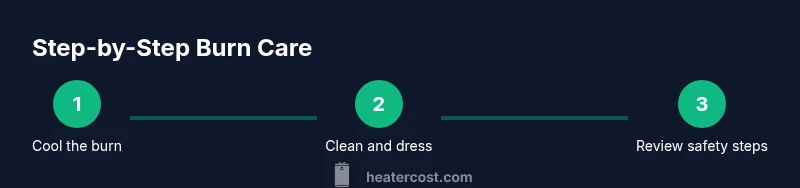
- Rinse the burn with cool running water for 10–20 minutes
- Remove jewelry if swelling may occur
- Gently pat dry and cover with a sterile dressing
- Take an OTC analgesic as directed if needed
- Change dressings daily and watch for signs of infection
- Seek medical care for large areas, facial or genital burns, or worsening symptoms
- Review heater safety and maintenance to prevent future burns
Tools & Materials
- Clean, cool running water(Rinse for 10–20 minutes; do not use ice)
- Mild soap(For gentle cleansing around the wound)
- Sterile gauze pads(For gentle drying and dressing changes)
- Antiseptic wipes(Keep the wound area clean during care)
- Antibiotic ointment (optional, as advised)(Use only if advised by a clinician)
- Non-adherent burn dressing(Prevents sticking and pain during dressing changes)
- Over-the-counter analgesic(Follow label directions; avoid polypharmacy)
- Cold pack wrapped in cloth(Use for swelling only if advised; never apply directly to skin)
Steps
Estimated time: 30-45 minutes
- 1
Stop and assess
Identify the heat source and remove yourself from contact. Check for surrounding hazards and call for help if the burn seems large or if you suspect chemical exposure or gas-related injuries.
Tip: Safe movement prevents further injury; avoid rushing, which can worsen wounds. - 2
Cool the burn
Hold the affected area under cool running water for 10–20 minutes. Do not use ice, which can damage tissue. Cooling reduces swelling and pain and limits tissue damage.
Tip: If running water isn’t available, use a clean damp cloth and replace as it warms. - 3
Protect the wound
Gently pat dry and place a sterile non-adherent dressing over the burn. Avoid tight wraps that can cut circulation. Do not apply ointments unless advised by a clinician for large or complex burns.
Tip: Keep the dressing clean and dry; wet dressings increase infection risk. - 4
Manage pain and monitor
If advised, take an OTC analgesic per label. Monitor the area for changes in color, swelling, or increasing pain. If pain worsens or new symptoms appear, seek medical care.
Tip: Keep a simple diary of symptoms to share with a clinician if needed. - 5
Decide on next steps
For burns affecting large areas, the face, hands, feet, or genitalia, or if the patient is a child or elderly, seek medical attention promptly. Otherwise, continue home care with proper wound cleaning and dressing changes.
Tip: When in doubt, contact a clinician for guidance on step-by-step treatment. - 6
Avoid unsafe remedies
Do not apply butter, oils, toothpaste, eggs, or traditional remedies. These can trap heat or introduce bacteria, increasing infection risk and delaying healing.
Tip: Trust proven wound care steps rather than anecdotal cures. - 7
Plan for follow-up
Schedule a follow-up check if the wound hasn’t begun to improve after 48–72 hours or if blisters enlarge. Deeper burns may require professional wound care.
Tip: Document healing progress with photos to share with your clinician. - 8
Prevention move
Review heater placement, maintenance, and safety plans to prevent recurrence. Install guards and keep flammables away.
Tip: Regularly test safety devices and educate household members on heat safety.
Got Questions?
What is considered a heater burn?
A heater burn is skin damage from heat sources like exposed heater coils or hot surfaces. It ranges from minor redness to deeper tissue damage and blisters. Prompt first aid improves outcomes and reduces infection risk.
A heater burn is skin damage from heat sources like hot heater parts. It can range from redness to blistering, and quick first aid helps prevent complications.
Can I use home remedies on a burn?
Avoid butter, oils, toothpaste, and ice. These can trap heat or introduce bacteria. Use cool running water, gentle cleansing, and sterile dressings as first-line care, then seek medical advice if needed.
Don’t use butter or ice on burns. Clean gently, cool with running water, and cover with a sterile dressing; seek care if it worsens.
When should I seek emergency care for a heater burn?
Seek emergency care if the burn is large, or involves the face, hands, feet, or genitals, or if there are signs of infection after a day or two. Children and older adults should be evaluated sooner if a burn is suspicious.
Go to emergency care if the burn covers a large area or is on the face or genitals, or if infection signs appear.
Is a heater burn dangerous or likely to scar?
Most minor heater burns heal without scarring with proper care. Deeper burns carry scar risk. Early cleaning and proper dressing reduce infection risk and improve healing outcomes.
Most small burns heal fine with proper care, but deeper burns may scar. Keep the wound clean and protected.
Will a heater burn leave lasting scars?
Scar formation depends on burn depth and prompt care. Superficial burns usually heal without noticeable scarring, while deeper burns may result in some scar tissue and potential cosmetic differences.
Surface burns often heal without scars; deeper burns can leave some scar tissue, depending on treatment and healing.
What if the wound becomes worse after home care?
If redness spreads, swelling increases, fever develops, or pain worsens, seek medical advice promptly. These can indicate infection or a deeper burn.
If the wound gets worse or you notice fever or spreading redness, see a clinician.
Watch Video
The Essentials
- Cool burns promptly to minimize tissue damage
- Cover wounds with sterile dressings to prevent infection
- Know when to escalate care (large area or sensitive areas)
- Prevent future burns with safe heater practices