How to Prevent Heater Fires: A Practical Safety Guide
Learn practical steps to prevent heater fires through maintenance, safe usage, and emergency readiness for homeowners and renters.


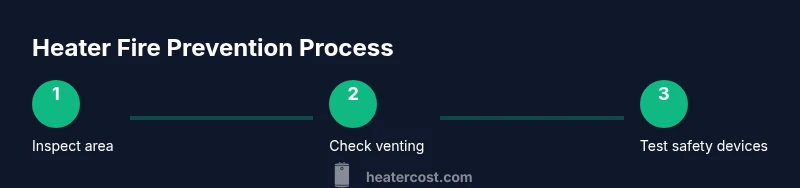
You will learn how to prevent heater fires by conducting a thorough safety check, cleaning and maintaining heating equipment, using heaters properly, and preparing for emergencies. This guide emphasizes regular maintenance, safe clearances, proper venting, and testing safety devices. According to Heater Cost, reducing fire risk starts with a baseline safety audit and consistent, simple habits that protect your home and loved ones.
Why heater fires happen and who is at risk
Heater fires are often the result of simple oversights: cluttered surroundings, blocked vents, worn electrical cords, or faulty components. Gas furnaces rely on proper venting and combustion safety, while electric heaters depend on clean electrical circuits and undamaged plugs. Older or poorly installed units tend to fail earlier, increasing risk. Families with children, seniors, or people with limited mobility are disproportionately affected when a heater is used improperly. The Heater Cost team emphasizes that most incidents are preventable with routine checks and sensible usage. Regular attention to your heating equipment can reduce chance of ignition, excessive heat buildup, and accidental ignition of nearby materials. Staying aware of your home’s unique layout and ensuring clearances around heaters are among the simplest, most effective steps you can take.
From a safety perspective, carbon monoxide exposure is a related risk with gas heaters. While this guide focuses on fire prevention, maintaining good ventilation and functioning detectors protects your household from multiple hazards. In the broader context, a safer heating environment also lowers energy waste and prolongs equipment life. The goal is steady, predictable warmth without unexpected hazards, using proactive practices you can perform yourself or with a professional as needed.
The Fire Risk Landscape: Why prevention matters
Fire risk isn’t isolated to a single device or season. Heaters become a risk when flammable items come into contact with hot surfaces, when electrical systems are overloaded, or when maintenance is neglected. A living room with a space heater near curtains, a dusty furnace, or a cracked vent pipe provides a ready path for ignition. The Heater Cost analysis highlights that many home fires start during peak heating months when devices run for longer periods and homeowners may be tired or rushed. By understanding where the risk originates, you can target prevention efforts more effectively. This section outlines the most common ignition sources and how to address them with routine checks, safe-use habits, and timely professional service.
Key prevention themes include keeping a clear zone around every heater, ensuring has the right safety devices, and developing a simple maintenance routine that fits your family schedule.
Mandatory safety features to check in every heater
Every heater should have a few non-negotiable safety features and labeling. Look for a sturdy, stable base; protective grills that remain cool to the touch; automatic shutoff if tipped or overheated; and a clear manual with safety instructions. Gas-powered units require venting to the outdoors, a functional flame sensor, and safe combustion air supply. Electric heaters benefit from overheat protection, tip-over switches, and secure cord management. If your unit lacks any of these features or appears damaged, stop use and consult a qualified technician. Safety features aren’t a luxury; they’re essential protections against accidental ignition and fire spread. Regular labeling checks can expedite troubleshooting and ensure you’re always operating within safety guidelines.
In addition to device-level safety, ensure your home’s detectors are in working order. Smoke alarms should be tested monthly, and carbon monoxide detectors inspected per manufacturer guidance. The combination of functional detectors and well-maintained heaters dramatically reduces the likelihood of a fatal or damaging fire.
Regular maintenance routines you can perform
Establish a simple, repeatable maintenance routine that you can perform before each heating season and at mid-season checks. Start with a visual inspection: remove dust from around the heater using a soft brush or vacuum attachment, inspect cords for wear, and ensure no rugs or textiles block air intakes. For gas units, schedule a professional inspection annually to verify burner operation, venting integrity, and gas pressure. Clean or replace filters as recommended by the manufacturer, and test safety devices (like shutoffs and oxygen depletion sensors) monthly to confirm they’re functioning. Keeping the area surrounding heaters free of clutter reduces ignition risk and makes future inspections quicker. A clean, well-ventilated space supports safer operation and better air quality overall.
Safe usage habits when heating spaces
Adopt smart habits that keep your living areas warm without introducing new hazards. Place heaters on stable, nonflammable surfaces away from curtains, furniture, and paper. Avoid running space heaters unattended, especially when you leave the room or sleep. Use only the heater’s thermostat and avoid partial insulation or improvisation with extension cords; never chain heaters together. Maintain a comfortable, steady temperature rather than rapid temperature spikes that can stress components. If you’re using a space heater to supplement central heating, coordinate with a professional to ensure the rest of your home remains safe and energy-efficient. These habits create a safer heating environment that reduces the chance of ignition and helps you manage energy costs more predictably.
Inspecting electrical connections, cords, and plugs
Damaged cords are a leading cause of electrical fires related to heating equipment. Regularly inspect cords for cuts, kinks, or fraying, and replace any damaged cord immediately. Use outlets with ample capacity and avoid daisy-chaining multiple devices from a single strip or outlet. Keep cords away from high-traffic walkways where they can be snagged or pulled. When relocating a heater, unplug it first and store the cord safely to prevent stress on the plug. If you notice overheating, discoloration, or a spicy burnt smell around the plug, discontinue use and have wiring inspected by a licensed electrician.
Special care is required in damp areas like basements or bathrooms. Use GFCI-protected outlets where moisture is present, and never operate heating devices with wet hands. The goal is consistent, trouble-free power delivery that won’t spark or overheat.
Venting, combustion, and proper clearance
Gas and combustion-based heaters depend on correct venting to remove exhaust safely. Blocked or damaged vent pipes can lead to dangerous gas buildup and fire risk. Ensure outdoor vent terminations are free of snow, ice, or debris and that indoor combustion air is sufficient for safe operation. Maintain generous clearance around any heater—typically at least three feet of open space from furniture, curtains, and textiles. If you notice soot, unusual yellow flames, or cracking noises you haven’t heard before, shut the unit off and contact a professional. Correct venting and ample clearance are two of the most impactful, straightforward ways to reduce fire risk every day.
The safety relationship between air supply, combustion efficiency, and exhaust removal is central to preventing fires and ensuring reliable heat during winter months.
Choosing heaters wisely: fuels, ratings, and placement
When selecting a heater, favor units with clear safety certifications (UL or equivalent), automatic shutoff, and a stable base. Electric heaters are generally easier to install and rate highly for indoor use, but gas furnaces require venting and professional installation. Evaluate energy efficiency labels, heater size relative to the room, and the ergonomics of placement. Do not place heaters near bedding, closets, or stacked boxes. Matching heat output to room size avoids overheating and reduces wear on the unit. For households with pets or small children, childproofing tips and easy-to-access safety controls are worth prioritizing in your purchase decision.
If you’re renting or living in a multi-unit building, check with building management before installing a new heater. You want a solution that fits your space, complies with local codes, and minimizes hazards.
Seasonal prep and routine checks
Before winter, perform a comprehensive safety sweep: vacuum dust from vents, replace filters, test alarms, and confirm the heater’s exterior remains cool to the touch during operation. Schedule professional servicing if you notice unusual noises, smells, or reduced efficiency. At the start of each season, replace batteries in smoke and carbon monoxide detectors and review emergency contacts with family members. Keeping a written maintenance calendar with reminders reduces the chance you’ll miss an essential check and helps maintain a consistent safety routine throughout the year.
What to do if you suspect a heater fire
If you observe flames or smoke, remain as calm as possible and evacuate everyone from the room. Call emergency services once you are safely outside and away from the hazard. If the fire is small and you are trained to use a fire extinguisher, you may attempt to put it out only if you can do so without confronting the flames directly or putting yourself at risk. Do not use water on electrical fires. After the incident, have the heater inspected by a professional before reuse. It’s essential to reassess space, clearance, and electrical loads to prevent a repeat event.
Long-term strategies for safer heating in your home
Making safety a long-term habit pays dividends in peace of mind and reliability. Invest in a combination of high-quality equipment, regular professional inspections, and smart home strategies such as centralized temperature controls and occupancy-based settings. Consider upgrades like better ventilation, advanced detectors, and heat source redundancy for critical spaces. A proactive approach—tracking maintenance, staying vigilant about signs of wear, and updating safety devices—significantly lowers the risk of fires and contributes to a safer, more comfortable home year after year.
Tools & Materials
- Safety checklist for heating equipment(Printed or digital, used before each heating season)
- Flashlight(For inspections in dim spaces; keep batteries fresh)
- Vacuum with brush attachment(Clean around coils, vents, and surrounding area)
- Screwdriver set (Phillips and flat-head)(For basic panel access during inspections)
- Replacement filters(Follow manufacturer specs; store in a convenient location)
- Heat-resistant gloves(Handling warm components carefully during routine checks)
- Fire extinguisher (class A/B/C)(Keep accessible and know how to use properly)
- Carbon monoxide detector batteries(Test detectors monthly; replace batteries annually)
Steps
Estimated time: 2-3 hours
- 1
Inspect current setup and clearance
Visually assess each heater’s surroundings. Remove clutter, ensure at least three feet of clearance from all combustibles, and verify that vents and intakes are unobstructed. This step reduces ignition risk from nearby objects and improves airflow.
Tip: Take photos to track changes over time and spot recurring issues. - 2
Review manufacturer safety labels
Read the user manual and safety labels to confirm operating limits, fuels, and required maintenance. Adherence to guidelines prevents improper use that could lead to overheating or fires.
Tip: Keep a digital copy of the manual for quick reference. - 3
Clean around the heater
Power off the unit, unplug it, and use a vacuum to remove dust from vents and nearby surfaces. Wipe down exterior housing with a damp cloth if allowed by the manual. Debris can smolder or restrict airflow, increasing heat buildup.
Tip: Never use water on internal components or electrical parts. - 4
Check electrical cords and outlets
Inspect cords for cracking or fraying, and ensure plugs fit snugly without looseness. Avoid running cords under rugs or across doorways where damage is likely. Replace damaged cables promptly to prevent shock or fire.
Tip: If a plug or outlet feels warm, stop using the device and have wiring inspected. - 5
Test safety devices monthly
Manually trip a safety switch or alarm to confirm it engages properly. If available, test smoke detectors and carbon monoxide detectors at the same time. Regular testing catches failures before an emergency occurs.
Tip: Set a reminder on your phone to test detectors monthly. - 6
Check venting and combustion (gas units)
For gas heaters, ensure vent pipes are intact and free of obstruction. Listen for unusual noises and watch for soot buildup. A malfunctioning vent system is a common fire risk.
Tip: Have a professional inspect the burner and venting annually. - 7
Schedule a professional inspection
Arrange at least annual professional service for gas or complex electric systems. A licensed technician can identify hidden faults, verify gas pressures, and confirm safe operation.
Tip: Request a written report and keep it with your safety records. - 8
Establish safe usage policies
Set clear rules for how and when heaters are used in your space. Prohibit unattended operation, discourage extension-cord use, and ensure devices are on level surfaces.
Tip: If you have children or pets, implement a dedicated safe area for heating equipment. - 9
Prepare for emergencies
Place fire safety supplies within reach and review escape routes with all household members. Keep your emergency numbers saved and teach family members how to respond quickly in a fire.
Tip: Practice a quick drill once a season to reinforce actions. - 10
Document results and improve
Record maintenance dates, issues found, and actions taken. Review the plan annually and adjust for changes in use or new equipment. Documentation helps sustain safer heating practices over time.
Tip: Use a dedicated notebook or digital log for easy reference.
Got Questions?
How often should I have my heater inspected?
Most heating systems benefit from an annual professional inspection, with additional checks after unusual performance, odd noises, or signs of wear. Regular checkups help catch problems before they become fires.
Annual inspections are recommended, with extra checks if you notice odd performance or noises.
Can space heaters cause fires even when turned off?
Yes, if a damaged cord or overheating outlet is involved, a space heater can pose a fire risk even when not actively heating. Always unplug when not in use and inspect the cord for damage.
Yes. Unplug it when not in use and check for damaged cords.
What are common signs of a failing heater?
Look for unusual smells, discolored panels, persistent excessive heat, strange noises, or a pilot light that won’t stay lit. If you notice any of these, stop using the device and consult a technician.
Watch for burning smells, noise, or poor ignition and get a pro to inspect.
Is carbon monoxide risk connected to heater fires?
Gas-fired heaters can produce carbon monoxide if venting fails. CO detectors are essential, and any sign of improper ventilation should be treated as an emergency. Fire prevention and CO safety go hand in hand.
Gas heaters can vent CO; detectors are essential and emergencies should be called if CO is detected.
Are there cost considerations for safety devices?
Investing in safety devices and professional maintenance reduces the risk of costly fire damage and repairs. Ongoing preventive care often lowers long-term energy waste and equipment replacement costs.
Safety devices save money over time by reducing risk and improving efficiency.
What should I do if I smell burning or see smoke?
Evacuate immediately and call emergency services. Do not attempt to fight a large or spreading fire yourself. Once safe, have the heater inspected before reuse.
If you smell burning or see smoke, evacuate and call for help right away.
Watch Video
The Essentials
- Inspect yearly for venting blockages
- Keep combustibles away from heaters
- Test safety devices monthly
- Schedule professional checks annually
- If in doubt, contact a pro