Fix Car Heater Near Me: Step-by-Step Guide
Diagnose and fix common car heater problems near you with a practical, step-by-step guide. Learn safe DIY checks, maintenance tips, and when to hire a pro with Heater Cost insights.


In this guide you’ll learn how to diagnose and address common car heater problems near you, including weak heat, cold air, or odd smells. You’ll follow a safe, step-by-step approach to identify whether the issue lies with the heater core, thermostat, or blend door, and what practical fixes are feasible for DIY or when to call a professional. Gather coolant, basic hand tools, and a flashlight before you begin.
Common symptoms of a failing car heater
If your car heater is failing, you’ll notice signs that point to where the problem lies in the heating and cooling system. According to Heater Cost, symptoms such as weak heat, heat that comes in only intermittently, or cold air when you set the controls to hot are common early indicators. A sweet smell or visible coolant vapor in the cabin can signal a leak or air in the cooling system. In winter driving, you may encounter foggy windows despite setting the heat high. Early recognition matters because it helps you decide whether a quick DIY fix is possible or if you should seek professional service. Look for patterns: heat that drops with engine speed may indicate a thermostat issue; heat that remains cold at all speeds suggests a heater core or blend-door problem; blower fan that runs but blows cold air points to a blend-door or control issue. If you can reproduce the symptom while the engine is warming up, you’ve narrowed down the likely cause. Keep a simple log of when heat is strong or weak to aid diagnosis.
How a car heating system works
Your car’s heating system uses the engine’s coolant loop to generate warm air for the cabin. The heater core acts like a small radiator that transfers heat from hot coolant into the air that passes through the HVAC ducts. The thermostat regulates engine temperature; when it opens, warm coolant flows to the heater core. A blend door or actuator controls how much hot versus cold air enters the cabin, and the HVAC controls select where the air goes (feet, dash, defrost) and at what temperature. If any of these components fail or operate out of sync, you’ll feel weak or cold heat or overheating. Regular maintenance, including coolant checks and ensuring the thermostat functions properly, keeps the system reliable.
Quick checks you can do safely at home
Before you start, ensure the engine is cool and the battery is disconnected if you’ll be handling wiring near the HVAC system. Check the coolant reservoir: is it full, clean, and free of oil sheen? Look for obvious leaks along radiator hoses and the heater core lines. Switch the climate control to hot with the fan on high and observe whether you can feel warm air. Inspect fuses related to the blower motor and HVAC controls in the under-hood or interior fuse box. Listen for any unusual sounds from the blend door actuator, such as grinding or clicks. If the heater remains cold, consider whether the vehicle requires a coolant flush or thermostat replacement as next steps.
Common causes and practical fixes you can attempt
Low coolant or air in the cooling system is a frequent reason for weak heat. Refill to the recommended level and bleed the system following your vehicle’s service manual. A stuck thermostat can prevent warm coolant from reaching the heater core; replacing it is usually a straightforward fix for most cars. A clogged heater core or a faulty heater core bypass can cut off heat; flushing the core or replacing the core may be required. A failing blend door actuator may cause improper air routing; replacement is typically quick but may require dash disassembly on some models. Electrical fuses or wiring issues can disable the heater; check for blown fuses and damaged connectors.
DIY safety and when to call a pro
DIY fixes are sometimes doable, but there are risks. Never open the radiator cap on a hot engine; hot coolant can cause severe burns. If you notice persistent coolant leaks, a sweet smell, or overheating, stop and seek professional help. For many cars, access to the heater core or the blend door requires dash removal, which is best handled by a trained technician. If you’re searching for fix car heater near me, consider whether your skills, tools, and time justify a DIY approach or if a professional diagnosis will save you time and money.
Cost considerations and maintenance to prevent future problems
Understanding the potential costs helps you prepare. The cost to repair or replace a heater core is typically higher than thermostat work, due to part complexity and labor; prices vary widely by vehicle and location. Preventive maintenance reduces the odds of heater problems: check coolant level and quality yearly, flush the cooling system as recommended by your vehicle’s maker, replace worn hoses, and replace the thermostat per service intervals. Regular maintenance can improve cabin comfort, reduce fuel consumption, and preserve engine health. When evaluating quotes, ask about both parts and labor, any potential dash removal, and warranty terms.
AUTHORITY SOURCES
- U.S. Department of Transportation: https://www.transportation.gov/vehicle-safety
- U.S. Department of Energy: https://www.energy.gov/energysaver
- National Highway Traffic Safety Administration: https://www.nhtsa.gov/
Troubleshooting flowchart quick reference
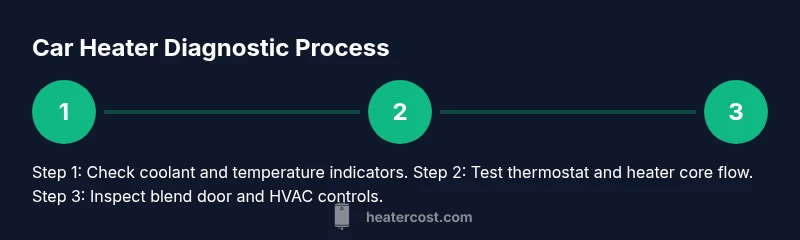
- Step 1: Is there heat when you set the system to hot? If yes, the problem might be intermittent or related to air in the system. If no, move to Step 2.
- Step 2: Check coolant level and look for leaks. Low coolant is a common cause of weak heat.
- Step 3: Verify thermostat operation by monitoring engine temperature rise. A stuck thermostat can prevent heater core heating.
- Step 4: Inspect the blend door actuator and HVAC controls. A clicking sound or lack of temperature change usually means actuator failure.
- Step 5: Check fuses and electrical connections to the blower motor and heater controls. Replace any blown fuses and reseat wires.
- Step 6: If symptoms persist, plan a professional diagnosis. A pro can safely access the heater core and dash components when needed.
Final notes and practical steps
Fixing a car heater near you often starts with simple checks and moves to more involved diagnostics. By following a structured approach, you can save time and money while protecting your engine and cabin comfort. Remember to log symptoms, protect yourself with PPE, and never rush into work that could cause burns or fluid spills. If in doubt, a professional diagnosis is a prudent choice.
Tools & Materials
- Safety glasses(Protect eyes from coolant and debris)
- Mechanic gloves(Grip and protection during handling)
- Socket set (metric/SAE)(For removing panels or hoses)
- Screwdrivers (Phillips and flat-head)(General disassembly and clips)
- Drain pan(Catch coolant and avoid spills)
- Funnel(Refill coolant without spills)
- Coolant tester or hydrometer(Assess coolant quality)
- Flashlight or work light(Inspect under-dash areas)
- Coolant (pre-mixed)(Top up to manufacturer level)
- Torque wrench (optional)(Precise bolts in some models)
- Trim removal tools (plastic)(Dash disassembly if needed)
Steps
Estimated time: 60-90 minutes
- 1
Check coolant level and condition
With the engine cold, locate the coolant reservoir and verify the level. Look for discoloration or contaminant signs such as oil sheen. Refill to the recommended level using the correct coolant type for your vehicle.
Tip: Never open the radiator cap when the engine is hot to avoid scalding. - 2
Test heater temperature at operating temperature
Start the engine and set the climate control to hot with the fan on high. Allow the engine to reach normal operating temperature and feel for warm air at the vents. If heat is weak or absent, note the temperature change over several minutes.
Tip: Take several measurements at different fan speeds to quantify performance. - 3
Bleed air from the cooling system
If you suspect trapped air, locate the bleed valve or procedure in your service manual and carefully release air until coolant flows steadily. Have your drain pan ready for any overflow and keep the engine cool.
Tip: Bleeding should be performed with caution; some vehicles require specific bleed points. - 4
Inspect the thermostat operation
Observe engine warming behavior: if the needle takes too long to reach operating temp or the engine overheats, the thermostat may be stuck. Replacing a faulty thermostat is a common fix for many cars.
Tip: Ensure you use the correct thermostat for your engine model and install with a clean gasket. - 5
Check heater core and hoses for leaks or blockages
Look for visible leaks along heater core lines and inspect hoses for cracks or bulges. If there is suspected clogging, a professional flush may be needed to restore flow.
Tip: Be cautious when handling pressurized coolant lines; relieve pressure per service manual. - 6
Test blend door actuator and HVAC controls
With the climate control set to hot, listen for actuator movement and observe if air temperature changes as you adjust settings. A lack of change or strange clicking often indicates a faulty actuator.
Tip: Some vehicles require dash disassembly to access the actuator; know when to pause and seek help. - 7
Check electrical system and fuses
Inspect fuses and wiring connected to the blower motor and heater controls. Replace blown fuses and reseat connectors if needed. If problems persist, there may be a deeper electrical fault.
Tip: Consult the owner’s manual for exact fuse locations and amperage ratings.
Got Questions?
What could cause no heat in a car heater?
Common causes include low coolant, a stuck thermostat, air in the cooling system, a faulty blend door actuator, or a blown fuse. A proper diagnosis will identify which component is at fault.
No heat is usually caused by coolant or thermostat issues, air in the system, a bad blend door, or an electrical fault. A proper check reveals the culprit.
Can I fix a heater core myself?
Some vehicles allow DIY heater core work, but many require dash removal and specialized tools. If you’re not comfortable with disassembly and coolant handling, a professional service is safer and faster.
DIY heater core work is possible on some cars, but often it requires dash removal. If you’re unsure, a pro is the safer choice.
How much does car heater repair typically cost?
Costs vary widely by vehicle and location. Parts and labor can range from inexpensive thermostat fixes to more expensive heater core replacement. Get multiple quotes and ask what’s included.
Repair costs vary with the car and part. Get several quotes to compare what’s included in the price.
Why does the heater blow cold air when the engine is hot?
That usually points to a blend door issue or a thermostat problem. The heater core is likely returning cool air if the hot coolant isn’t routed properly.
Cold air with a hot engine often means the blend door or thermostat isn’t routing heat correctly.
Is it dangerous to drive with a failing heater?
A faulty heater itself isn’t usually dangerous, but underlying issues like coolant leaks or overheating can cause engine damage. Stop and diagnose if you notice leaks or overheating.
Driving with heat problems isn’t always dangerous, but overheating or coolant leaks can damage the engine. Get it checked soon.
When should I call a professional for a car heater issue?
Call a professional if you detect coolant leaks, persistent overheating, dash disassembly is needed, or you’re uncomfortable working with cooling system components.
Call a pro if you see leaks, overheating, or if you must disassemble the dash to reach the heater parts.
Watch Video
The Essentials
- Start with coolant level and condition checks.
- Bleed air only if there is suspected trapped air.
- Test thermostat and blend door to isolate the fault.
- DIy fixes are feasible for simple issues; seek a pro for leaks or dash work.
- Maintain the system with periodic coolant flushes and hose inspections.