Safe Heating for Homeless Communities: A Practical Guide
Learn safe, humane heating options for homeless populations. This guide prioritizes safety, legality, and cooperation with shelters, avoiding dangerous DIY heaters.


Goal: Learn safe, humane heating options for homeless individuals without constructing improvised heaters. This quick guide explains why DIY heaters are unsafe, outlines safer alternatives, and provides a practical plan to coordinate with shelters and community programs while meeting safety and legal requirements. You will learn how to assess needs, source certified equipment, and connect with local services.
Why safe heating matters when addressing the needs of the homeless population
According to Heater Cost, safety must guide every effort to help people without stable housing. The notion of a diy heater for homeless may seem like a practical solution in the moment, but improvised heating devices carry serious risks: fire, carbon monoxide poisoning, electrical shocks, and poor indoor air quality. The consequences extend beyond individuals to volunteers, shelters, and local communities. In this section we explain why safe, proven approaches matter and how humane plans reduce risk while delivering warmth to those in need. We also acknowledge the social and emotional dimensions—preventing exposure to extreme cold is a matter of dignity and health.
Safer alternatives to a diy heater for homeless
There are safer, more reliable ways to provide warmth without resorting to improvised devices. Start with certified electric space heaters designed for indoor use, with automatic shutoff and overheat protection, placed in well-ventilated, supervised areas. Supplemental options include thermal blankets, insulated shelters or tents with approved heating elements, and community warming centers that operate extended hours during cold snaps. Where possible, coordinate with local shelters to leverage centralized, monitored heating, which reduces liability and improves safety. Community partners can also explore funding for portable, certified heaters, CO detectors, and safety training for staff and volunteers. The overall goal is to maximize warmth while minimizing risk, so the focus is on control, supervision, and high-quality equipment rather than on DIY substitutes.
Safety standards, legal considerations, and best practices
Safety is non-negotiable when helping people experiencing homelessness. Use equipment that bears recognized certifications (UL, ETL, or equivalent) and ensure devices are plugged into grounded circuits with proper surge protection. Install CO detectors and smoke alarms near heating devices, and never operate open flames or improvised heat sources in enclosed spaces. Train volunteers to recognize signs of carbon monoxide exposure and to respond quickly if alarms sound. Check local codes and shelter policies before introducing any heating hardware, and maintain clear documentation of equipment maintenance, safety checks, and incident reports. Following these standards protects vulnerable individuals and reduces liability for organizations.
Planning a humane heating strategy with shelters and outreach partners
Developing a plan starts with a needs assessment: which individuals are at highest risk, typical living conditions, and available shelter space. Build partnerships with shelter operators, city agencies, faith-based groups, and health services to align on protocols and permitted equipment. Create a procurement plan for certified heaters, batteries, detectors, and replacement parts, and designate a trained point person to oversee safety. Map out a simple usage policy for volunteers and residents, including supervision requirements, shift schedules, and escalation procedures. Document expectations, responsibilities, and success metrics so the program can adapt to changing weather and client needs.
Budgeting, funding, and cost considerations
Costs for safe heating support vary by location and scope. Consider initial investments in certified heaters, CO/smoke detectors, alarms, and safety training, plus ongoing maintenance, power needs, and replacement parts. Seek funding from municipal grants, nonprofit partnerships, donor campaigns, and community foundations. Create a transparent budget that includes contingency funds and clear ownership for equipment upkeep. While not as glamorous as DIY projects, a well-planned warming program delivers consistent warmth, reduces risk, and can scale with demand during cold spells.
What volunteers and residents can do today (without building devices)
You can make an immediate impact by donating safe, certified equipment, volunteering to monitor warming spaces, and advocating for shelter funding. Help gather essential items like CO detectors, approved space heaters, and thermal blankets. Coordinate with local shelters to schedule donation drives and training sessions. Share information about cold-weather resources, and connect individuals with health services if exposure or hypothermia symptoms appear. Non-technical actions like outreach and fundraising often save more lives than improvised devices.
Next steps and resources
Identify your local shelter contact points and climate outreach programs. Review safety guidelines from national health and safety authorities, and bookmark official resources on heating standards and emergency shelter operations. The Heater Cost team recommends a cautious, collaborative approach—prioritize safety, test equipment regularly, and document all steps. Use this article as a starting point to build a network of support that can expand warming capacity during severe cold periods.
Tools & Materials
- CO detector(UL-listed, battery-operated or hardwired; place near sleeping areas)
- Smoke detector(Install in or near heating spaces; test monthly)
- UL-listed space heater(Indoor-use certified; auto shutoff; avoid improvised units)
- Fire extinguisher(Class ABC or BC; keep accessible near heating area)
- First aid kit(Stocked for minor injuries and exposure concerns)
- Extension cords (heavy-duty, grounded)(Do not daisy-chain; use surge protection as needed)
- Ventilation assessment tool(Optional for enclosed spaces to evaluate air flow)
- Shelter coordination contact list(Local shelter hotlines and outreach program contacts)
- Thermal blankets and insulating gear(Supplement warmth without heat source reliance)
Steps
Estimated time: 1-2 days
- 1
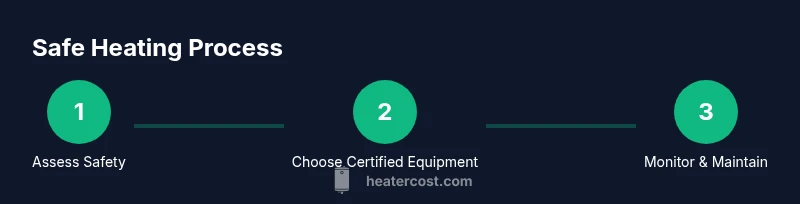
Assess safety and legality
Conduct a quick risk assessment with shelter managers to confirm compliance with local codes and occupancy rules. Verify electrical capacity, ventilation, and storage for equipment. Do not implement unverified setups.
Tip: Consult a licensed electrician or safety officer if you’re unsure about capacity or wiring. - 2
Select certified heating options
Choose only certified heaters with automatic shutoff and overheating protection. Ensure devices are properly rated for indoor use and placed in supervised areas with clear access for monitoring.
Tip: Prefer centralized or shelter-operated heat sources to reduce fragmentation and risk. - 3
Plan placement and ventilation
Determine optimal placement to maximize warmth while maintaining airflow and avoiding crowding. Keep heaters away from flammable materials and ensure exits remain unobstructed.
Tip: Use ventilation checks to prevent buildup of heat or fumes in enclosed spaces. - 4
Set up monitoring and safety protocols
Install CO and smoke alarms near heating devices. Train staff and volunteers to respond to alarms and symptoms of exposure. Document maintenance and incident responses for accountability.
Tip: Create a simple escalation protocol and assigned safety lead for each shift. - 5
Review outcomes and adjust plan
Periodically review warmth levels, safety incidents, and user feedback. Adjust equipment, placement, or supervision as needs evolve with weather and occupancy.
Tip: Keep a log of lessons learned to inform future cold-season planning.
Got Questions?
Why is a diy heater for homeless not recommended?
DIY heaters present significant safety hazards, including fire, carbon monoxide poisoning, and electrical shocks. They also risk violating local codes and shelter policies. Safer options rely on certified devices and structured supervision.
DIY heaters create serious safety risks and may violate shelter rules. Safer options use certified equipment with supervision.
What are safer alternatives to provide warmth?
Safer alternatives include certified space heaters with automatic shutoff, thermal blankets, insulated shelters, and centrally managed warming centers operated by shelters or community programs.
Certified heaters, blankets, and shelter-run warming centers are safer than improvised devices.
What certifications should equipment have?
Look for UL or ETL listings and ensure devices have proper ventilation and safety features. CO detectors and smoke alarms should accompany any heating setup.
Choose UL or ETL certified heaters with detectors for safer operation.
How can volunteers help safely?
volunteers can donate certified equipment, assist with safety checks, and coordinate with shelters to ensure proper training and supervision. They should avoid handling improvised heating methods.
Donate safe equipment and help with safety training and supervision.
Are there funding resources for homeless heating programs?
Look for municipal grants, nonprofit partnerships, donor campaigns, and community foundations that support shelter warming initiatives. Plan a transparent budget and reporting to sustain funding.
Seek grants and partnerships to fund safe warming programs.
How can I start conversations with shelters about heating safety?
Reach out to shelter administrators, health services, and faith-based groups to align on safety policies, equipment needs, and training requirements. Propose a small pilot program before expanding.
Contact shelter leaders and propose a safety-aligned plan before scaling up.
Watch Video
The Essentials
- Avoid DIY heaters; safety first and foremost.
- Partner with shelters and local agencies for warmth at scale.
- Use certified equipment, detectors, and training to minimize risk.
- Document procurement, safety checks, and outcomes for accountability.
- Focus on humane warmth, dignity, and legal compliance.