Do It Yourself Wood Heater: A Comprehensive DIY Guide
Learn how to safely plan, install, and maintain a do it yourself wood heater with step-by-step guidance, safety checks, permits, and cost considerations for homeowners and pros alike.


In this guide you’ll learn how to plan, prepare, and execute a do it yourself wood heater project with careful attention to safety, permitting, venting, and maintenance. You’ll identify suitable designs, assemble essential tools, follow a clear step-by-step process, and know when to seek professional help to protect your home and family.
What a do-it-yourself wood heater can deliver
Homeowners are drawn to do-it-yourself wood heater projects for independence, warm ambiance, and potential cost savings. A properly planned DIY wood heater can heat living spaces efficiently when combined with good insulation and a well-designed venting path. According to Heater Cost, DIY wood heater projects can offer meaningful energy savings when planned with attention to safety, clearances, and maintenance. This section will outline what you can realistically achieve with a homeowner-built system, the kinds of designs that typically work well in residential settings, and what you should expect in terms of time, effort, and risk. We'll discuss kit-based approaches as well as more ambitious custom builds, and how to decide which path fits your home, budget, and skill level. By the end, you'll have a clear sense of whether a true DIY installation makes sense for you, and how to maximize safety and performance. Be mindful that power tools, fire, and heated surfaces demand respectful handling, proper PPE, and a plan for ongoing maintenance. Real-world projects often reveal gaps in insulation, unexpected draft paths, or code-related constraints that calculators can't predict.
Safety and codes you must know before you begin
Venturing into a do-it-yourself wood heater requires strict attention to safety. The first rule is to check local codes and NFPA 211 standards for wood-burning appliances. Many jurisdictions require a formal installation to be inspected after completion, especially when venting, hearth, or clearance distances are modified. Even when using a kit designed for DIY installation, you must adhere to manufacturer instructions and to the building code requirements for clearances, ember protection, and combustion air. Install the unit on a noncombustible surface and maintain minimum clearance to walls, ceilings, and floors; use properly rated hearth pads or brick bases. Install a metal chimney or liner with appropriate diameter and slope, and ensure the venting path has a clean, sealed chain of joints to prevent creosote buildup and leaks. Keep a working carbon monoxide detector in the living space and a smoke detector on every level, with batteries renewed annually. Finally, obtain any permits required by your city, county, or state, and arrange for a final inspection. These steps are not optional; they are essential to protecting your home and loved ones.
Planning your DIY wood heater project
Before you lift a single bag of pellets or firewood, plan a detailed layout. Start by choosing a location with solid floors, a noncombustible base, and easy access for loading fuel and for cleaning ashes. Consider traffic patterns: you don’t want to place the stove where a doorway, staircase, or sofa blocks egress. Install the unit on a noncombustible surface and ensure stable anchoring if needed. Estimate the heated volume and compare it to the heater's rating. If you are uncertain, consult the manufacturer's guidance or a local professional. Plan for ash disposal, routine cleaning, and a clear path to a safe storage area for fuel. Finally, sketch a maintenance calendar that aligns with your heating season, including chimney inspection, grate cleaning, and safe storage practices. A thorough plan reduces surprises and ensures that your project stays within code and on schedule. Factor in nearby combustibles like curtains, bookshelves, or wooden trim and set up clearances accordingly. Use a tape measure, level, and chalk to mark the final footprint on the floor and the hearth surround. If you plan to retrofit an existing fireplace, document the dimensions of the existing flue and any obstruction or damper that could affect performance. The more you plan upfront, the less rework you’ll face when you start assembly.
Design options: kit-based vs. custom builds
For many homeowners, starting with a kit is the safer, more predictable path. A kit includes a stove or insert, a manufactured chimney or liner, and installation hardware with manufacturer instructions. The benefit is a tested, UL-listed approach that typically reduces site improvisation and errors. A custom build, by contrast, offers design flexibility and can be integrated into existing masonry features, but it demands higher skill, more time, and closer attention to building codes and fireproofing. Evaluate your space, your comfort with tools, and your willingness to manage permits. If you choose a kit, prioritize models that are rated for your room size and that come with a complete venting kit. If you pursue a custom build, you should consult with a licensed professional for critical steps such as chimney liner sizing, draft assessment, and final inspection. The choice affects cost, schedule, and long-term safety; the best DIY wood heater results come from selecting a path that matches your expertise and the home's compliance requirements.
Tools and materials you’ll need
Gathering the right tools and materials before you start saves time and reduces the risk of dangerous improvisation. Essential items include a tape measure, level, masonry drill, wrench set, screwdriver, tin snips, and protective gear. Materials include a UL-listed heater kit or stove, noncombustible hearth, proper chimney liner, heat-resistant sealant, sheet metal screws, a spark arrestor, and a CO detector. Optional items include a metal cutting blade for ducting, a heat shield, and a fire extinguisher. Keep spare parts like gaskets and gasket cement on hand. Prepare a clean work area with a drop cloth to minimize dust and sparks. Follow the manufacturer's instructions for the heater-equipped kit to avoid voided warranties.
Step-by-step overview (kit-based installation)
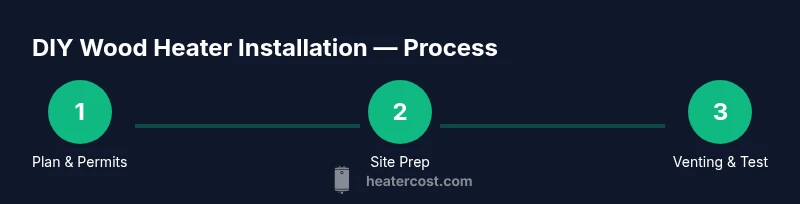
Step 1: Inventory and unbox the kit. Verify that all components match the manufacturer’s bill of materials. Step 2: Prepare the base and hearth area, ensuring the surface is noncombustible and level. Step 3: Position the heater and verify clearances to walls and ceiling. Step 4: Install the hearth enclosure and shielding as required by code and kit instructions. Step 5: Assemble and attach the venting components, including any liner, ensuring joints are sealed. Step 6: Secure the heater, connect to the vent, and perform a fit check with all panels in place. Step 7: Seal joints, test the draft, and check for smoke or gas leaks. Step 8: Perform a controlled test run, monitor for CO, and finalize permit documentation if applicable. Tip: take photos at each step to document compliance and assist with future maintenance. Estimated time: 12-18 hours.
Venting, clearances, and fireproofing considerations
Venting is the heart of a safe wood heater installation. Use a chimney or liner that matches the heater’s specification and ensure a proper slope and clearance from combustible materials. Seal all joints with high-temperature sealant and use a metal cap to prevent precipitation and animal intrusion. Fireproofing around the stove and hearth should extend beyond the minimum clearance, using noncombustible materials such as brick, tile, or sheet metal. If retrofitting a vent through a wall or ceiling, plan for proper chase construction and weatherproofing. Regular creosote cleaning after a few weeks of heavy use is essential to reduce fire risk. Always verify the venting path remains unobstructed and accessible for inspection. If any part of the path seems compromised, pause installation and consult a professional. Proper venting protects your home and ensures efficient burning.
Maintenance and long-term care
Routine maintenance keeps a DIY wood heater performing safely for years. Establish a seasonal cleaning schedule that includes ash removal, chimney brushing, and gasket inspection. Test CO and smoke detectors monthly and replace batteries annually. Inspect the hearth surface for cracks, monitor clearances, and check mounting hardware for loosening. When you notice creosote buildup, reduce burn times and increase the number of cleanings. Schedule at least one professional inspection per heating season or at the end of winter, whichever comes first. A proactive maintenance plan extends the life of the heater and protects your family from hazardous conditions.
Common mistakes and how to avoid them
Common errors include skipping permits or venting inspections, underestimating heat clearance, and choosing a heater based on appearance rather than room size. Another frequent misstep is trying to install heavy components without proper anchoring or noncombustible backing. Avoid bypassing professional guidance for critical steps like flue sizing and liner installation. Always follow the manufacturer’s instructions and local codes, double-check clearances, and never leave an active heater unattended during initial burn. If in doubt, pause work and consult a professional to prevent costly mistakes and potential safety hazards.
Authoritative sources for further reading
For readers who want to dive deeper, consult primary sources from government agencies and major standards organizations. The U.S. Environmental Protection Agency (EPA) provides guidelines on wood combustion and emissions, and units certified under Burn Wise programs. See also the National Fire Protection Association (NFPA) standards for wood-burning appliances and venting. For policy and energy considerations, the U.S. Department of Energy publishes guidance on efficient wood heating and safety practices. These resources help homeowners verify compliance, understand best practices, and stay informed about evolving safety standards.
Tools & Materials
- Approved wood heater kit or stove(Ensure it is UL-listed and appropriate for your space and clearances.)
- Chimney pipe and chimney cap(Metal, appropriate diameter for your heater and local codes.)
- Heat-resistant sealant(Silicone or intumescent sealant rated for high temperatures.)
- Fire-rated hearth/backing(Noncombustible material for surrounding enclosure.)
- Fire pit or hearth pad (optional)(Noncombustible base with adequate surface area.)
- Tools: drill, screwdriver, masonry bits(Assorted drill bits sized for screws and anchors.)
- Measuring tape, level(Precise measurements to ensure safe clearances.)
- Spark arrestor or ash scoop(Optional safety extras for maintenance.)
- Heat-resistant gloves(Protection for handling hot components.)
- Vacuum/ash bucket(For safe ash removal and cleaning.)
- Carbon monoxide alarm(Place in living space; test regularly.)
Steps
Estimated time: 12-18 hours
- 1
Inventory and plan
Unbox the kit and verify all components against the bill of materials. Confirm the planned footprint matches your site plan and that clearances are feasible. This step minimizes surprises later.
Tip: Take photos of each component and confirm serials before starting. - 2
Prepare base and hearth
Clean the installation site and lay down a noncombustible hearth. Ensure the base is level and sturdy to support the heater’s weight.
Tip: Use shims to level if the floor isn’t perfectly flat. - 3
Position heater and verify clearances
Place the heater in the intended location and measure minimum clearances to walls, ceiling, and furniture. Adjust as needed before anchoring.
Tip: Mark clearances with painter’s tape as a visual reminder. - 4
Install hearth enclosure
Mount any required fireproof shielding and noncombustible barriers. Ensure the enclosure integrates with the heater’s installation manual.
Tip: Check that heat shield edges are smooth to prevent snagging or cracking. - 5
Attach venting and liner
Install chimney liner or pipe per manufacturer specs. Seal joints with high-temperature sealant and secure with appropriate fasteners.
Tip: Align sections to minimize sharp bends that create creosote buildup. - 6
Seal joints and inspect fit
Double-check all joints for leaks and ensure the heater fits snugly within its enclosure. Re-tighten any fasteners after initial heat cycles.
Tip: Do a dry run to confirm no movement or rattling. - 7
Initial burn and safety check
Perform a controlled burn and observe for smoke, odors, or leaks. Verify CO and smoke detectors respond correctly.
Tip: Keep a fire extinguisher nearby during first burn. - 8
Document permits and maintenance plan
Record permit numbers, inspection dates, and a scheduled maintenance calendar. Store these with manuals for future reference.
Tip: Photograph and file all documentation for warranty eligibility.
Got Questions?
Do I need a professional to install a wood heater?
In many cases a DIY kit can be installed by a homeowner, but venting, liner sizing, and final inspections often require professional involvement or approval from local building departments.
Check your local codes and consult a professional if venting or liner work is needed.
What permits are typically required for a DIY wood heater?
Permits vary by locality, but many areas require permission for new hearths or venting modifications and a final inspection to verify compliance.
Contact your city or county building department to confirm what permits you need.
Is a DIY installation safe for families with kids?
DIY can be safe when you follow instructions, create barriers around hot surfaces, and maintain detectors and clearances.
Ensure barriers and alarms are in place and monitor children around the heater.
Can I use an existing chimney for a DIY wood heater?
An existing chimney can be used if it can accommodate a liner or appropriate venting and meets clearance requirements; otherwise retrofit may be needed.
Have a professional assess the chimney’s condition and compatibility.
How long does a typical DIY install take?
Time varies by kit type and site conditions, but plan for several days to accommodate permits, delivery, and setup.
Set aside multiple days to complete everything from planning to final test.
What maintenance should I plan for after installation?
Schedule annual inspections, regular chimney cleaning, gasket checks, and detector battery replacements.
Keep a routine calendar for inspections and cleanings to maintain safety.
Watch Video
The Essentials
- Plan thoroughly before you start and verify local codes.
- Choose kit-based options for ease and safety.
- Prioritize proper venting and clearances to protect family.
- Schedule regular maintenance and safety checks.
- Consult a pro for final inspection if required by your locality.