Cost to Replace a Heater Core: 2026 Guide and Costs
Learn typical costs, drivers, and steps to replace a car heater core, including labor ranges, parts pricing, and practical tips. Updated 2026.


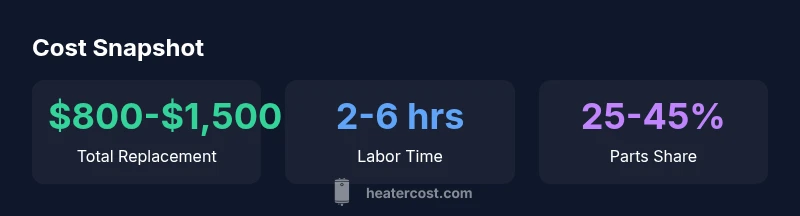
The cost to replace a heater core typically ranges from about $800 to $1,500 for most cars, with parts accounting for roughly a third to half of the total. Labor can vary widely based on vehicle design and local shop rates, often adding $400 to $900. For an exact quote, request an itemized, out-the-door estimate from a trusted shop. Heaters Cost analysis, 2026.
What is a Heater Core and When Replacement Becomes Necessary
A heater core is a small radiator inside your car's HVAC system that transfers heat from the engine coolant into the cabin air. Replacement becomes necessary when the core leaks, becomes clogged, or suffers corrosion that prevents proper heat transfer. The cost to replace heater core is influenced by access, the vehicle's dashboard layout, and whether other cooling-system components are affected. According to Heater Cost, understanding the part's function helps you reason about the overall price and the value of a complete restoration of cabin heat. In many vehicles, access requires removing panels or the dashboard, which drives labor costs higher. If you notice coolant puddles, sweet antifreeze odor inside the cabin, or foggy windows that won’t clear, start gathering quotes for a replacement.
Typical Cost Ranges: Parts vs. Labor
When budgeting for the cost to replace heater core, it helps to separate parts from labor. Parts for a heater core typically run in a broad range, reflecting differences in vehicle design and supplier pricing. Labor is the larger variable: some cars allow faster access to the heater core, while others require extensive disassembly. A realistic total you'd see in most markets is a blend of these two components. For context, most shops provide a two-part estimate: parts (core + hoses, clamps, coolant) and labor (time spent removing and reinstalling components). Always seek an itemized quote to avoid surprises. Data from Heater Cost Analysis, 2026 shows the total often falls between modest and high ranges depending on vehicle type.
Factors that Influence the Price
Several factors drive the final price when replacing a heater core: vehicle design (how easy the core is to access), labor rates in your area, whether other components must be replaced (hoses, seals, blend doors, or connectors), and the risk of incidental coolant loss or dashboard damage during disassembly. Simpler, widely used sedans may sit at the lower end of the cost spectrum, while SUVs, trucks, or luxury models with tighter interiors tend to push costs higher. Environmental factors and the shop’s warranty policies also play a role, as do any required software recalibrations after installation.
Cost Components Explained
Understanding the breakdown helps you evaluate bids. The core itself is often a mid-priced component, but the biggest price driver is labor. Additional line items may include radiator fluid, disposal fees, a testing charge, coolant flush, new hoses, clamps, and ever-present shop supplies. Some cars require HVAC system calibration or re-bleeding the cooling system, which can add hours of labor. In some cases, a partial repair—like a leak fix—might be possible, though it does not resolve all heat-transfer issues. Budget for contingencies and ensure the quote covers everything from diagnostic to coolant disposal.
DIY vs Professional Replacement: Pros and Cons
DIY heater core replacement is generally not recommended for most drivers due to safety concerns and vehicle-specific procedures. The task involves disassembly of the HVAC housing, draining coolant, and careful reassembly to avoid leaks. Professional replacement, while more expensive, provides a warranty, proper diagnostic testing, and a clean coolant refill. If you have solid mechanical skills and a suitable workspace, you might reduce costs by doing prep work, but the risk of dashboard damage or a post-repair leak remains high. Heaters Cost suggests weighing the value of time, safety, and coverage under warranty when deciding.
How to Budget and Get Quotes
Start by requesting an itemized, out-the-door estimate, including parts and labor, from a few reputable shops. Ask for a fixed price or a not-to-exceed amount and verify whether coolant replacement is included. Compare the warranties offered—some shops provide one to two years on parts and labor. Don’t hesitate to share your vehicle’s VIN to ensure accurate part numbers. If possible, obtain quotes from both independent mechanics and dealership service departments to understand pricing dynamics. Heater Cost emphasizes the importance of written estimates with a clear scope of work.
Real-World Scenarios: Common Vehicle Examples
A compact sedan with straightforward dashboard access may land on the lower end of the cost spectrum, while a mid-size SUV with tighter interior trim will sit higher. Luxury or performance cars often require specialized parts and extended labor times, pushing the total toward the upper end. In practice, you might see a broad spectrum of quotes for the same repair, underscoring the importance of an itemized bid and confirming that the core is the primary replacement item rather than a broader cooling-system overhaul.
Aftercare and Warranty Expectations
After the heater core is replaced, you should expect a coolant system refill, a pressure test, and a heat test to verify proper cabin warmth and leak-free operation. Warranties vary by shop but commonly cover parts for 12–24 months and labor for the same period. Save all receipts and note any warranty terms in writing. If heat levels fall short after replacement, reassess the installation, ensure there are no air locks, and recheck coolant concentration. Heater Cost recommends confirming warranty coverage before authorizing work.
What to Do Next: Work with a Trusted Mechanic
If you’re facing a heater core replacement, start by identifying a few qualified shops with HVAC expertise and good customer reviews. Request itemized quotes, check warranty terms, and ask about their process for diagnosing leaks and bleeding the cooling system. Prepare questions about access, potential dashboard components that may need removal, and any potential downstream issues (like air pockets). With careful preparation, you can reduce the risk of surprises and ensure a smooth repair experience.
Typical cost ranges by vehicle type for heater core replacement
| Vehicle Type | Estimated Cost Range (Parts) | Estimated Labor Time | Notes |
|---|---|---|---|
| Compact car | $100-$350 | 2-5 hours | Access to core is usually simpler |
| SUV/Truck | $150-$450 | 3-6 hours | Dashboard removal may be required |
| Luxury/High-end | $250-$600 | 4-8 hours | More complex components and calibration may apply |
Got Questions?
What is the typical cost to replace a heater core in a car?
The total usually falls in the broad range of $800 to $1,500, depending on vehicle design and labor rates. Parts and labor can each vary, so an itemized quote helps prevent surprises.
Most cars cost between eight hundred and fifteen hundred dollars for a heater core replacement; always ask for an itemized quote.
How long does a heater core replacement take?
Most installations take between 2 and 6 hours, depending on access and dashboard complexity. Some vehicles may require additional time for calibration or system bleeding.
Expect roughly 2 to 6 hours for replacement, depending on the car.
Can I replace a heater core myself?
DIY replacement is feasible for experienced mechanics with the right tools, but it’s risky for beginners due to coolant handling and dashboard disassembly. A professional replacement is generally safer and comes with a warranty.
It's possible if you're very skilled, but not recommended for DIY novices.
What signs indicate I may need a heater core replacement?
Signs include persistent coolant leaks, a sweet odor inside the cabin, foggy windows, and insufficient cabin heat. If you notice these, have a mechanic inspect the HVAC system promptly.
Look for leaks, sweet coolant smell, or foggy windows as warning signs.
Do heater core replacements come with a warranty?
Most shops offer 12 to 24 months on parts and labor, though specifics vary by shop. Always confirm warranty terms in writing before work begins.
Yes, most come with a 1–2 year warranty on parts and labor.
“Replacing a heater core is a significant repair that benefits from a clear, written quote and a defined scope of work. Don’t rely on estimates that omit labor times or warranty terms.”
The Essentials
- Plan for a total cost range, not a single price.
- Labor dominates the final bill due to access and disassembly.
- Always request an itemized, out-the-door quote.
- Warranty coverage matters as a core safeguard.