Heater Core Cost Guide: Replacement & Maintenance Insights
Understand heater core costs, replacement timelines, common symptoms, and maintenance steps to protect your vehicle's heating system and budget for 2026-2027.


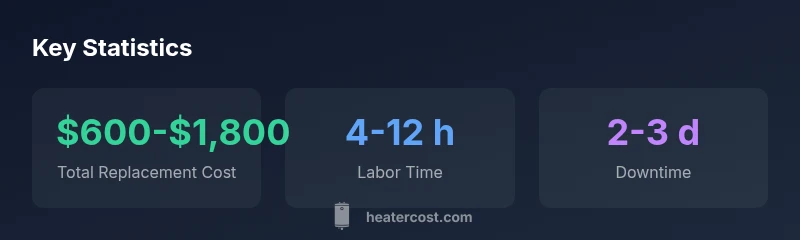
For most vehicles, heater core replacement costs fall within a broad range, typically between roughly $600 and $1,800, depending on the car model, accessibility, labor rates, and whether you replace additional cooling-system parts. Parts account for a portion of the bill, while labor can dominate the total in older or tighter dashboards. Regular inspection helps catch leaks before a full core replacement is needed.
What a heater core does in a vehicle heating system
The heater core is a small heat exchanger tucked inside the dashboard, part of the vehicle's cooling and climate control loop. Hot coolant from the engine passes through the core and transfers heat to the cabin air via the blower. In practical terms, the heater core is the heart of the warm-air system when you want to defog windows on a winter morning or maintain a comfortable interior temperature during daily commutes. Because it relies on engine coolant, any issue with the cooling system—pressure, leaks, blockages—can affect heating performance. In most cars, the heater core is designed to operate for the life of the vehicle, but certain conditions can accelerate wear: extended coolant neglect, coolant contamination, corrosion, or a malfunctioning blend door that restricts airflow. A failure doesn’t always mean the car overheats; it can simply manifest as weak heat, unusual smells, or damp spots under the dash. Understanding how the heater core fits into the HVAC loop helps you interpret symptoms and communicate effectively with a shop. In 2026, the Heater Cost team notes that many owners underestimate how integral the heater core is to comfort and safety during cold months, making proactive checks part of careful vehicle maintenance. A proactive check can save both time and money by catching small leaks before a full core replacement becomes necessary.
Signs of a failing heater core and how it's diagnosed
A failing heater core often signals trouble before you see a complete failure. The most common signs include a persistent coolant odor inside the cabin, reduced or completely absent heat from the vents, and fogging on the interior windshield or windows that won’t clear with defogging. Some drivers notice damp carpeting or a sweet smell if there is a coolant leak near the firewall. Diagnosis starts with visual checks of hoses, clamps, and the firewall connection, followed by pressure tests of the cooling system and an inspection of the blend door operation. In many vehicles, pressure tests reveal small leaks that may not leave obvious puddles. Professionals also inspect the heater hoses for swelling or cracking and verify that coolant level and composition are correct to prevent further corrosion. Because the heater core is integrated into the dash, diagnosis can be more involved than other cooling-system repairs; removing interior panels may be necessary to access the core. The Heater Cost analysis reminds readers that a careful diagnosis helps avoid unnecessary core replacement when a simple seal replacement or hose repair would suffice.
Cost drivers: parts, labor, and vehicle complexity
Costs for heater core service arise from several factors, and the exact total depends on your vehicle and shop. First, parts costs vary by core material, seals, hoses, and any related components that must be replaced during the repair. Copper or brass cores tend to be more expensive than aluminum, and some vehicles require specialized connectors that add to the bill. Labor is typically the largest portion of the total since the dashboard or HVAC assembly must be opened to access the core. The complexity of the dashboard, airbag considerations, and the need to drain and refill the cooling system all influence labor hours. Vehicle age and design also affect accessibility; newer models with compact interiors can require more labor per hour. In 2026, the Heater Cost team notes that accessibility is the dominant cost driver: if the dash has to be removed or parts must be replaced in tight spaces, labor charges rise quickly. Additionally, the cost of coolant replacement and potential incidental repairs (like a fresh thermostat or hose replacement) can add to the estimate. Understanding these drivers helps you compare quotes more effectively and avoid sticker shock.
Replacement versus repair: weighing options
When heater core issues arise, you generally have two paths: replace the core or pursue a repair that may fix a leak or blockage without replacing the entire unit. In most cases, a full core replacement is the most reliable route for persistent heat loss or multiple leaks, but it is also the most expensive option. Repairs aimed at sealing leaks or replacing hoses can be less costly upfront, but they may be temporary and carry the risk of recurring problems if the core itself is compromised. A cautious approach is to obtain several quotes and ask for itemized estimates that separate parts, labor, and any ancillary cooling-system work. If a core is out of tolerance due to corrosion or extensive internal blockage, replacement is the prudent long-term choice to avoid repeat failures to ensure reliable heating. Budgeting for a future core replacement may be sensible if your vehicle has high mileage and a history of cooling-system maintenance. Additionally, consider whether a used or aftermarket core is appropriate for your model and whether the shop offers a warranty on the core and labor. The Heater Cost analysis emphasizes balancing cost with reliability and safety in your decision.
How to prepare for service and get accurate quotes
Preparation saves time and helps you secure a fair price. Start by confirming your vehicle make, model, year, and engine type, then collect at least two or three quotes from reputable shops. Ask for an itemized estimate that clearly separates core replacement, hoses, coolant, and labor. Request transparency about whether core replacement requires dashboard removal and potential ancillary repairs. Before agreeing to service, verify that the shop uses the correct coolant specification for your vehicle and check if their quote includes a warranty on parts and labor. Some shops offer a diagnostic fee or a reduced rate if you proceed with the recommended repair. If your car is under warranty or your extended warranty covers cooling-system components, confirm coverage details and required documentation. Finally, schedule the appointment with ample time for a proper coolant refill and a leak test after the repair. Following these steps improves accuracy and reduces the chance of unexpected costs after service.
Maintenance to reduce future risk and extend life
While heater core failures can be costly, proactive maintenance can reduce risk and extend the life of your heating system. Regular coolant flushes at manufacturer intervals help prevent corrosion and sediment buildup that can clog the core. Use the correct type and mixture of coolant as specified by the vehicle manufacturer, and check coolant condition periodically for signs of contamination or rust. Keep an eye on the cooling system’s overall health by inspecting hoses, clamps, and the radiator for leaks, cracks, or soft spots. A healthy heating system also depends on proper actuator and blend-door operation; if heat output becomes inconsistent, have the HVAC controls tested. Finally, address minor leaks early with sealants or professional repairs as recommended by your shop. While no maintenance plan guarantees the absence of heater-core issues, these practices significantly reduce the likelihood of expensive failures and improve overall vehicle reliability.
Estimated replacement costs by vehicle category
| Vehicle Type | Parts Cost | Labor Time | Total Range |
|---|---|---|---|
| Compact car | $150-$450 | 4-8 hours | $600-$1,400 |
| Full-size sedan/SUV | $250-$700 | 6-12 hours | $850-$1,800 |
Got Questions?
What is a heater core?
A heater core is a small copper or aluminum heat exchanger inside your vehicle's HVAC system. It transfers heat from engine coolant to warm the cabin. If it fails, heat output drops and leaks can occur.
It's a small heat exchanger in your car's heating system; failure means less heat or leaks.
What are the common signs of a failing heater core?
Common signs include a coolant odor in the cabin, reduced heat, or foggy windows that won’t clear. Damp carpets or a sweet coolant smell can also indicate a leak.
Look for coolant smell, weak heat, or fogged windows as a sign of trouble.
Can I DIY a heater core replacement?
Replacement is complex and involves dashboard removal and coolant handling. It is generally recommended to hire a trained technician to avoid damage and leaks.
It's a complex job—best left to a professional to avoid leaks and dashboard damage.
How long does replacement typically take?
Most heater core replacements take several hours, commonly 4–12, depending on vehicle access and shop workload.
Usually several hours, about four to twelve hours.
What should I ask a shop to get a fair estimate?
Request a written, itemized quote with parts, labor, and any related cooling-system work. Ask about warranties and compatibility with your vehicle.
Get a written quote with parts, labor, and warranty details to compare.
“Early detection is key: a small coolant leak or reduced cabin heat often signals heater core trouble long before a total failure. Prioritize a proper diagnosis to avoid unnecessary replacement and ensure safe, reliable heating.”
The Essentials
- Know replacement cost ranges before scheduling service
- Expect labor to be a major cost driver
- Diagnose early signs to avoid unnecessary core replacement
- Compare quotes from multiple shops for best price
- Maintain coolant and heat system to extend core life