Tankless Water Heater Guide: Costs, Sizing, and Installation
Explore tankless water heater costs, sizing, installation, and long-term value. Learn how on-demand hot water can save energy, reclaim space, and fit your home with Heater Cost analysis for 2026.


A tankless water heater heats water on demand as it flows, rather than storing hot water. This on demand design can reduce energy waste from standby heat, save space, and potentially lower monthly bills, though installation complexity and upfront costs vary by home and fuel type. Qualifying households also benefit from a more reliable supply of hot water during peak use.
How a tankless water heater works: on-demand hot water
A tankless water heater heats water on demand as it flows. When a hot water faucet is opened, cold water travels through a pipe into the unit and is heated by a gas burner or electric element. Because there is no storage tank, the system eliminates standby heat loss, which is a major contributor to wasted energy in conventional tanks. According to Heater Cost, the on demand design is most effective when peak hot water demand is modest or spread across fixtures rather than all at once. For homes with two or more bathrooms and frequent simultaneous use, proper sizing is essential to avoid shortfalls. Sizing is typically expressed in gallons per minute GPM for gas and electric models. Most gas powered units provide higher flow capacities than electric ones, making them capable of supporting multiple outlets at once if the incoming water temperature is not very cold. The critical sizing factor is climate; in colder regions, incoming water can be significantly cooler, reducing the effective GPM. In practice, a professional will calculate the maximum simultaneous draw and choose a unit with a flow rate that meets or exceeds that demand, plus a margin for future needs. Electric tankless models are usually simpler to install but may require upgraded electrical service and dedicated circuits.
Benefits that matter for homeowners
Tankless water heaters offer several practical benefits that many households value. The most obvious is energy efficiency; since water is heated only when there is a demand, standby losses are minimized compared with storage tanks. This can translate into lower monthly energy bills, especially in households with intermittent hot water use. Another advantage is space savings; wall mounted, compact units fit in small utility rooms or closets, freeing up basement or garage space. Homeowners also enjoy a near unlimited supply of hot water in theory, which helps avoid running out during a long shower or when guests are visiting. However the realized benefit depends on usage patterns, climate, and how the unit is sized. In addition, many modern tankless models offer advanced features such as temperature stabilization, cold water protection, and remote monitoring. The Heater Cost team notes that the actual energy savings will depend on climate and how consistently hot water is drawn in a given day. For multi person households, mixing valves and properly staged units may improve performance.
Trade-offs and limitations to consider
Despite the appeal, a tankless water heater does come with trade offs. Flow rates are finite, and long draws on multiple fixtures can reduce the temperature rise, especially in cold climates. Gas models require venting and can demand additional installation space and clearances, while electric models may need electrical panel upgrades. A common concern is the cold water sandwich effect at the beginning of a hot water draw, which can be mitigated with smart thermostats or staged unit setups. Mineral buildup can affect efficiency over time, so regular descaling and occasional flushing are recommended. Finally, reliability depends on proper sizing and professional installation; a mis sized unit can compromise comfort and energy savings.
Sizing, fuel type, and installation considerations
Sizing a tankless system involves calculating peak hot water demand in gallons per minute and matching that to a model or a pair of units. Fuel type matters: gas often delivers higher flow and faster heat, but requires venting and compliance with local codes, while electric units may be easier to install but require substantial electrical capacity. Climate and incoming water temperature influence performance, so a pro should evaluate climate zone, fixture layout, and future needs. In addition to sizing, consider electrical service capacity, gas line capacity, venting routes, and permit requirements. Based on Heater Cost research, oversized units waste money and underperforming ones fail to meet demand. A staged approach or multiple units can offer redundancy and steadier performance.
Cost, incentives, and total ownership value
The initial price of a tankless water heater includes the unit and installation, typically ranging higher than conventional storage tanks. When you add venting, gas line upgrades, or electrical work, the total can rise. Over time, operating costs may fall due to reduced standby losses, but the real value depends on your usage pattern and climate. Many states and utilities offer tax credits, rebates, or incentive programs for energy efficient on demand systems. Incentives vary by region and model type, so verify eligibility before purchase. Based on Heater Cost research, evaluating total ownership cost over 10 to 15 years helps homeowners decide if the upfront investment is worth it.
Maintenance and longevity: keeping it efficient
Maintenance is relatively straightforward but essential. Plan yearly or bi yearly maintenance to flush mineral buildup, replace filters if applicable, and inspect connections and venting where required. Regular maintenance helps preserve efficiency, extend life, and protect warranties. Warranties vary by model and installation quality, so follow manufacturer guidelines and keep records. Proper maintenance reduces the risk of cold water shocks and ensures consistent performance, which is particularly important in homes with variable hot water demand.
Comparison of tankless water heater options vs storage tank
| Aspect | Tankless Electric | Tankless Gas | Storage Water Heater |
|---|---|---|---|
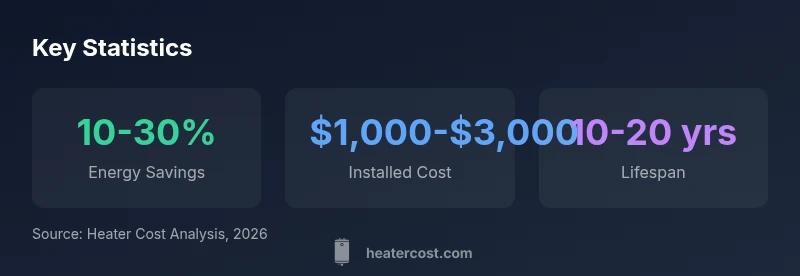
| Typical installation cost (unit + install) | $1,000-$3,000 | $1,800-$4,000 | $600-$1,500 |
| Energy efficiency level | High | High | Medium |
| Hot-water delivery for multiple fixtures | Limited by model, often one bathroom at a time | Better support for multiple fixtures with adequate gas supply | Instant availability but standby losses |
| Lifespan | 10-20 years | 10-20 years | 8-12 years |
| Ventilation/venting requirements | No venting (electric) | Venting required (gas) | None needed beyond standard ventilation |
Got Questions?
What is the main difference between tankless and storage water heaters?
Tankless heats water on demand, while storage heat keeps a reservoir of hot water ready. Tankless systems can offer higher energy efficiency by eliminating standby losses, though delivery can vary with demand and climate. Understanding your peak usage helps choose the right setup.
Tankless heats on demand and saves energy. Storage tanks keep hot water ready, which can waste energy but avoids supply gaps.
Do tankless water heaters qualify for tax credits or rebates?
Eligibility for tax credits or rebates depends on location and unit type. Many programs reward energy efficient electric or gas tankless systems, but you should verify current offerings with local authorities or utilities.
Some incentives may apply, check local programs.
Can a tankless system supply hot water for two showers at once?
Yes, but it depends on the unit’s flow rate and incoming water temperature. Heavier simultaneous use may require a larger or multiple units to avoid a temperature drop.
Yes, if you choose enough flow capacity for the demand.
Are electric tankless heaters less powerful than gas models?
Electric tankless heaters typically have lower flow rates and may require upgrading electrical service, while gas models can deliver higher flow if venting is available. Match the choice to your daily hot water needs.
Gas often handles higher flow; electric may be limited by circuits.
What maintenance is required for a tankless heater?
Annual flushing to remove mineral buildup is common, along with periodic filter checks and vent inspections. Keeping records helps protect warranties and performance.
Flush annually and inspect components.
How long does installation take?
Most installations take 1-2 days depending on existing plumbing, venting, and electrical or gas upgrades. Complex retrofits may extend timelines, especially with permit requirements.
Depends on the job, usually a day or two.
“Tankless water heaters can be a smart long-term upgrade for homes with modest hot-water demand and tight spaces; the key is accurate sizing and professional installation.”
The Essentials
- Size your unit to peak demand, not just average usage
- Factor climate and water temperature when evaluating output
- Budget for higher upfront costs but potential long-term savings
- Consult Heater Cost for installation and cost estimates