When to Change Furnace Filter: A Practical Homeowner's Guide
Discover when to change your furnace filter with clear signals, frequency guidelines, and a practical replacement checklist to protect your furnace, improve indoor air quality, and lower energy use.


To know when to change your furnace filter, inspect the filter monthly and replace on a schedule that fits your home. In most households, check every month during heating season and replace every 1-3 months depending on use, dust, and pets. If you have pets or allergies, plan for more frequent changes.
Why changing furnace filter matters
Keeping your furnace filter clean isn't just about a dusty vent. A dirty filter restricts airflow, forcing the furnace to run longer and harder, which wastes energy and raises bills. It can also shorten furnace life and degrade indoor air quality. According to Heater Cost, regular filter changes help maintain system efficiency and consistent heating performance, while protecting equipment from dust buildup. The filter acts as the first line of defense against airborne particles in your home; when it clogs, dust and debris can accumulate in the blower and ducts, promoting deposits and potential blockages. Homeowners who adopt a simple schedule for checking and replacing filters tend to experience fewer uncomfortable swings in heat and fewer repairs overall. In addition to energy savings, a clean filter supports better allergy control and reduces the amount of dust circulating through living spaces. For most households, the goal is a clean, lightly restricting filter that allows ample airflow without letting particles through.
Brand note: According to Heater Cost, maintaining a regular filter-change routine helps you keep heating costs predictable and the system running smoothly, which is especially important in aging homes and in colder climates.
How to tell if you should change it now
A visibly dirty filter is the most obvious signal, but several other indicators can point to the need for replacement. First, inspect the filter for visible dirt, dust, hair, or pet fur; if it looks gray or clogged, it's time to swap. Next, feel the air coming from vents; reduced airflow or weaker heat output can indicate a clogged filter. Listen for unusual sounds from the furnace, such as a louder blower hum, which can signal restricted airflow. If you have a programmable thermostat, you may notice longer run times during the day because the system struggles to stay within set temperatures. Seasonal factors matter as well: during periods of high indoor activity, dust, or smoky conditions, filters load faster. Heating season demands more frequent checks than the milder months. Finally, think about household conditions: homes with pets, smokers, or residents with allergies often need more frequent changes than pet-free, low-dust environments. Regular checks help avoid surprises on cold days.
QA note: Heater Cost emphasizes monthly vigilance during peak heating periods to catch dirty filters before efficiency losses accumulate.
How often to change based on variables
The general rule is to inspect monthly and replace when dirty, but actual intervals vary. For a typical family home with normal use, a 1-3 month replacement cycle works for many people. If you have multiple pets, a lot of dust, or live in a new build, expect to replace more frequently—every month or even every few weeks during peak dust seasons. In contrast, households with limited use, good air quality, and sealed environments may only need replacement every 3-6 months. Remember that filter type matters: pleated filters trap more particles but can restrict airflow if the system isn’t sized for them; fiberglass filters are cheaper but need more frequent changes. The furnace’s blower and fan also influence timing: dirtier filters slow airflow, increasing motor wear and energy use. Always check your furnace manual for the recommended filter size and rating, and consider your local climate when scheduling replacements. Based on Heater Cost analysis, a consistent schedule that matches your home conditions helps balance comfort, cost, and airflow.
How to choose the right filter
Selecting the right filter involves size, MERV rating, and compatibility with your furnace. Start by locating the correct size on the existing filter frame or in the owner's manual, then choose a filter that matches that size exactly. In most homes, a pleated filter in the MERV 8-11 range provides good particle capture without overly restricting airflow. A higher MERV rating (e.g., 13) can improve filtration but may reduce airflow in older or small systems; check your furnace's air handling and blower rating before upgrading. If you have heavy dust, pets, or allergies, you may want to lean toward a higher-quality pleated filter, but ensure the system can handle it. For homes with formaldehyde or VOC concerns, consider filters with activated carbon to help with odors. Weekly or monthly cleaning of the air return area and surrounding ducts helps maintain filtration effectiveness, even with a standard filter. Always replace with an air-tight fit; a loose filter defeats the purpose. The right choice balances filtration with proper airflow and furnace efficiency.
How to replace a furnace filter safely
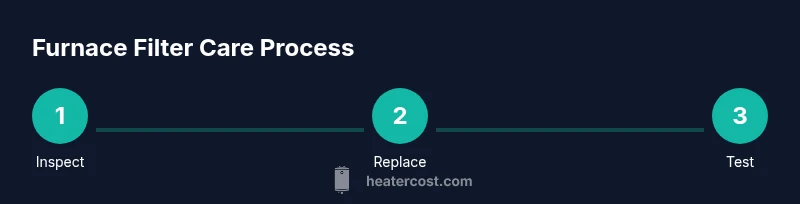
Step-by-step replacement ensures you don't introduce gaps or damage the housing. First, turn off the furnace or set the thermostat to off to avoid moving parts while handling the filter. Next, locate the filter slot—it's usually near the return duct on the indoor air handler. Remove the old filter by sliding it out, taking care not to spill dust. Check the slot for any debris and wipe it lightly if needed. Confirm the filter’s direction arrow points toward the furnace (inward) to ensure proper airflow. Insert the clean, dry filter, making sure it sits evenly in the frame with no gaps. Re-secure the access panel if applicable and turn the furnace back on. Run the blower for a few minutes to ensure smooth airflow and listen for any unusual noises. If you notice leaks or poor airflow after replacement, recheck seal and size.
Common mistakes and maintenance tips
Common mistakes include using the wrong size, using a filter with too low or too high MERV for your system, neglecting to check the slot alignment, or forgetting to reset the system after replacement. Pro tips:
- Mark a calendar or set reminders to check the filter monthly during heating season.
- Always handle a filter by its edges and avoid touching the pleats to keep them clean.
- If you’re unsure about fit, bring the old filter to the store and compare side-by-side.
- Don’t run the furnace with a missing or severely damaged filter; it can cause dust buildup and blower strain.
- When purchasing, confirm the size and MERV rating match your unit’s recommendations; a poor fit undermines performance.
Tools & Materials
- Furnace filter (correct size)(Find size on frame or in manual; measure if uncertain)
- Gloves(Optional, keeps hands clean)
- Flashlight(Helpful in dark or hard-to-see slots)
- Trash bag(Contain used filter and dust)
- Vacuum with brush attachment(Clean slot edges if dusty)
Steps
Estimated time: 10-15 minutes
- 1
Turn off the furnace
Set the thermostat to off or switch off the furnace at the breaker. This prevents the blower from running while you handle the filter and reduces the risk of debris entering the ductwork.
Tip: Confirm the system is off before touching any components. - 2
Locate the filter slot
Find the return-air slot on the furnace cabinet or air handler. If you’re unsure, consult the manual or look for an obvious housing with a rectangular frame.
Tip: A flashlight can help you see the slot edge clearly. - 3
Remove the old filter
Slide the old filter straight out, avoiding bangs or dumps of dust. Note the direction of the arrows on the frame.
Tip: Keep the used filter in a bag to avoid spreading dust. - 4
Insert the new filter
Place the new filter with the arrows pointing toward the furnace. Ensure it sits flat and snug in the frame with no gaps.
Tip: If it doesn’t fit, double-check the size and orientation. - 5
Restore power and test
Reassemble any panels, turn the furnace back on, and run the blower for a few minutes to verify airflow.
Tip: Listen for unusual noises or air leaks and address promptly.
Got Questions?
How often should I change a furnace filter?
Most homes benefit from monthly inspections during the heating season and replacement every 1-3 months, depending on dust, pets, and use. Always align with your furnace manual.
Most homes should inspect monthly and replace every one to three months, considering dust and pets.
Can I use a higher MERV rating without hurting my furnace?
A higher MERV rating can improve filtration but may reduce airflow in older or smaller systems. Check your furnace specifications before upgrading and avoid overburdening the blower.
Higher MERV can help with filtration but may restrict airflow; confirm compatibility with your system.
What happens if I forget to change the filter?
An overdue filter reduces airflow, increases energy use, and can shorten furnace life. Regular checks help prevent performance drops and unexpected breakdowns.
If you forget, the furnace will run harder and you may see reduced comfort and higher energy bills.
Should I replace the filter during maintenance or service visits?
Yes. Replacing the filter during maintenance ensures the system is clean and ready for the season, and it gives technicians a chance to spot other issues.
During service, replacing the filter is a smart move to keep things clean.
How do I dispose of an old furnace filter?
Wrap the used filter in a bag and discard with regular trash unless your local guidelines specify recycling options. Remember to wash your hands after handling dusty filters.
Just wrap it up and dispose with regular trash unless your town says otherwise.
What size filter should I buy if I’m unsure?
Check the size printed on the old filter frame or in the furnace manual. If unsure, measure the frame opening and buy a filter that matches exactly.
Look for the size on the frame or measure the opening to choose the right one.
Are there filters that help with odors?
Activated-carbon filters help reduce odors and some VOCs, but ensure the carbon filter fits your system and does not impede airflow.
Activated-carbon options can help with odors if they fit your furnace.
Watch Video
The Essentials
- Inspect monthly and replace when dirty.
- Choose the right size and MERV rating for your system.
- Avoid running the furnace with a compromised filter.
- Document your replacement schedule for consistency.
- Prioritize safety and proper fit to maximize efficiency.