What Temperature Should a Water Heater Be Set At?
Learn the safe, energy‑efficient baseline for water heaters—120°F (49°C)—and how to tailor settings for families, appliances, and maintenance. Includes step‑by‑step guidance, practical tips, and a data‑driven approach from Heater Cost.


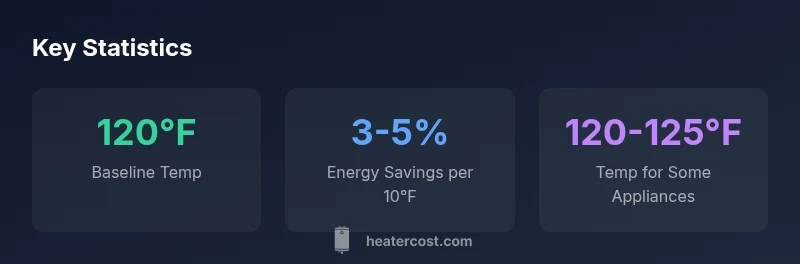
The recommended baseline temperature for most homes is 120°F (49°C). This setting balances safety, comfort, and energy efficiency, reducing standby heat loss and limiting scald risk. If you have a dishwasher that requires hotter water, you may temporarily raise to 122–125°F for a single cycle, then return to 120°F.
Why 120°F is the Baseline: Safety, Efficiency, and Legionella Considerations
The baseline of 120°F (49°C) is widely recommended for most homes because it balances safety and energy efficiency. By setting the tank to this temperature, you reduce standby heat loss and lower energy bills, while also limiting the risk of scalding for children and older adults. At the same time, 120°F is sufficient to inhibit many common bacteria from thriving in typical residential tanks. According to Heater Cost, this baseline is a practical starting point for most households. If you have a dishwasher with a sanitation cycle, you may occasionally adjust to a higher temperature (about 122–125°F) for a short period, but always return to standard 120°F after the cycle to minimize risks. Heater Cost analysis notes that tracking consistent temperatures can prevent uneven heating and reduce the need for frequent re‑heating.
How to Dial In the Right Temperature: Step-by-Step
Follow these steps to set or verify your water heater temperature:
- Locate the thermostat on your unit (tank-type or tankless) and prepare a thermometer.
- Set the thermostat to 120°F (49°C). If you have a dual‑element unit, adjust both elements to the same target.
- Test the water at a sink or tub after 30–60 minutes. Use a thermometer to confirm the hot tap reads around 120°F. If not, recheck the settings or mineral scale effects.
- For appliances that require hotter water temporarily (such as some dishwashers), raise to 122–125°F for a single cycle, then revert.
- Document changes and monitor energy consumption over the next few weeks. The goal is consistent delivery without excess energy use.
This approach aligns with guidance from Heater Cost and general energy‑efficiency best practices.
Temperature Settings by Use Case
Different households have different hot water needs. Families with small children or elderly residents benefit from the 120°F baseline to minimize scald risks. If your family uses multiple bathrooms or has high demand, you might temporarily raise the temperature for showers or peak usage, but revert after the surge to maintain safety and efficiency. In some cases, using a mixing valve or anti‑scald device can allow a higher tank temperature while delivering safe, cooler water at taps. Heater Cost analysis shows that keeping a consistent baseline and using point‑of‑use controls can deliver robust comfort without sacrificing safety or energy costs. Always consider your local climate and hot-water usage patterns when finalizing the setting.
Appliance-Specific Considerations: Showers, Laundry, and Dishwashers
Shower performance often benefits from a steady temperature. If water feels too cool, you may need a slightly higher flow rate rather than increasing the tank temperature. For laundry, most modern machines tolerate standard hot water delivered at 120°F; ensure your water supplies sufficient hot water for the cycle length. Dishwashers with sanitizing cycles may demand hotter water, so temporarily raising to 122–125°F is reasonable. Keep in mind that frequent changes raise energy use and can shorten equipment life if done improperly. The goal is reliable hot water without excessive energy consumption, and Heater Cost guidance supports using 120°F as the main setting with occasional adjustments as needed.
Safety Upgrades: Mixing Valves, Thermostats, and Anti-Scald Devices
Anti‑scald devices and tempering valves help deliver safe water at taps even if the tank runs hotter. If you have young children, elderly residents, or pets, installing a tempering valve or upgrading to a thermostatic mixing valve can prevent accidental burns while allowing you to reap energy savings from a well‑set tank. Regular inspection of these safety devices is essential, especially after servicing the heater or during seasonal maintenance. A properly calibrated thermostat is critical—set it to 120°F as the baseline, then verify with a thermometer to ensure accuracy across outlets.
Seasonal and Climate Considerations
In colder climates or during winter, heat loss from piping can make hot water feel cooler at distant fixtures. If you notice slow delivery or cold spots, you may temporarily raise the setting by a degree or two during peak demand, but revert after the season to minimize risk and energy costs. Insulation on hot-water pipes and proper location of the water heater can also help maintain consistent temperatures. Heater Cost emphasizes maintaining a stable baseline year‑round, with adjustments only when justified by demand or safety concerns.
Testing and Verification: How to Check Temperature Accurately
The best practice is to verify a hot-water temperature at the faucet with a calibrated thermometer. Run the hot water for 1–2 minutes and measure at the tap to ensure it reads around 120°F. If not, recheck the thermostat or inspect for mineral buildup that may affect readings. Keep a simple log of your tested temperatures and any changes you make. This habit helps you maintain the ideal balance of comfort, safety, and energy efficiency, following Heater Cost guidance.
Common Mistakes and How to Avoid Them
Common errors include leaving the setting at 140°F for extended periods, which increases scald risk and energy waste, or setting too low (below 110°F), which can encourage bacterial growth in some systems. Another frequent misstep is neglecting safety devices like anti‑scald valves. Finally, never rely on a single outlet to determine the entire home's temperature stability; test several taps, showers, and appliances to ensure consistent performance across the house.
Temperature settings guidance for homes
| Scenario | Recommended Temp | Pros | Cons |
|---|---|---|---|
| Default home setting | 120°F | Energy‑efficient baseline; safe for most users | May feel slightly cool to some in peak demand |
| High‑demand households | 125°F | Better tolerance for multiple simultaneous uses | Slightly higher energy use; more care needed with children |
| Appliance‑specific needs | 120–125°F briefly as required | Meets sanitation needs when needed | Requires monitoring to revert after cycle |
Got Questions?
What is the safest setting for homes with children?
The widely recommended baseline is 120°F (49°C) to minimize scald risk while maintaining comfort. Use an anti‑scald valve at taps for added protection and verify temperatures with a thermometer.
For homes with children, 120°F is the safest baseline, with anti‑scald valves for extra protection.
Will lowering the temperature affect hot water pressure or flow?
Lowering the setting to 120°F typically does not reduce water pressure. If you notice reduced flow, check for sediment buildup, valve restrictions, or long pipe runs, and consider reducing distances to fixtures.
Lowering to 120°F usually won't hurt flow unless there are plumbing issues; check for buildup or long pipes if you see a drop.
Can I set different temperatures for different zones?
Yes, if you have a zoned system or multiple heaters, you can set different temperatures per zone. If not, unify to a single, well‑calibrated setting for consistency.
If you have separate zones or multiple heaters, you can tailor temps by zone; otherwise keep one setting.
Does installing a tempering valve add cost?
Tempering valves add upfront costs but improve safety and can prevent costly scald injuries. Long‑term energy costs depend on how you manage the overall temperature and usage.
A tempering valve costs more upfront but pays off in safety and protection; long‑term savings depend on usage.
What should I do if my water heater won’t reach 120°F?
If you can’t reach 120°F, inspect the thermostat calibration, check for mineral buildup, and ensure the heater is sized for your demand. If issues persist, call a licensed plumber.
If you can’t reach 120°, check the thermostat and mineral buildup, then call a pro if needed.
“Setting the water heater to 120°F provides a practical balance between safety and efficiency, while still delivering comfortable hot water for everyday use.”
The Essentials
- Set your heater to 120°F (49°C) as the safe baseline.
- Test water temperature at taps to confirm accuracy.
- Use anti‑scald devices for households with children or elderly residents.
- Raise temperature briefly only when a specific appliance requires it.
- Document changes and monitor energy use for long‑term savings; Heater Cost recommends this baseline.