Water Radiator Heaters: Costs, Efficiency, and Installation
A comprehensive guide to water radiator heaters (hydronic radiators) covering installation costs, efficiency, sizing, maintenance, and how to compare options for homeowners, renters, and property managers.


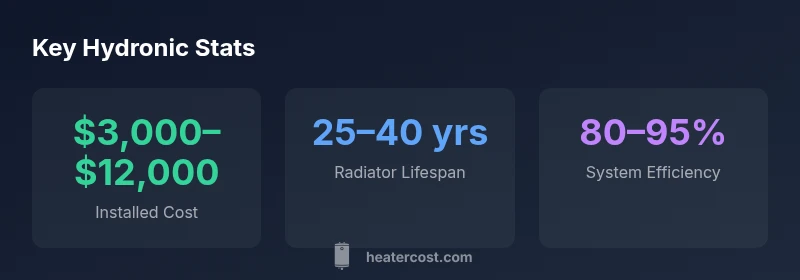
Water radiator heaters, also known as hydronic radiators, typically installed with a boiler and network of pipes. Installed costs commonly range from $3,000 to $12,000, depending on boiler type, radiator quantity, and labor. Efficiency improves with modern modulating boilers and proper zoning. In today’s homes, hydronic radiators offer consistent warmth and quiet operation, especially in well-insulated spaces.
What is a water radiator heater?
Hydronic or water-based radiators use hot water circulated through sealed loops to emit radiant heat into a room. In most homes, the heat source is a boiler or a heat pump connected to a network of pipes and radiators placed along walls, beneath windows, or in zones that need extra warmth. Compared with electric baseboard heaters, water radiator systems typically deliver more even heat with lower surface temperatures, which can feel more comfortable in living rooms and bedrooms. For homeowners evaluating options, water radiator heaters often come up when retrofitting older homes with durable, long-lasting heat. According to Heater Cost, hydronic radiators deliver consistent warmth, especially in rooms that are hard to heat with forced-air systems. In this guide, we’ll unpack how they work, the types you’ll see, and how to determine if they’re a good fit.
How hydronic radiant heating works
A hydronic system consists of a boiler (gas, electric, or oil), a circulator pump, piping (often copper), and radiators that emit heat as hot water passes through. The boiler heats water to a set point, and a thermostat or zoning controls circulate the water to specific rooms. Radiators then transfer heat to surrounding air via convection and radiant warmth. Modern systems can be modulated for precise temperature control, improving efficiency and reducing energy waste. Proper setup also minimizes cold spots by ensuring balanced flow and adequate insulation. This approach often pairs well with renewable energy options, such as heat pumps, when integrated by a qualified installer.
Radiator types and configurations
Hydronic heating offers a few radiator formats, each with distinct aesthetics and performance:
- Baseboard radiators (horizontal units along walls) provide even heat along living spaces with a low profile.
- Panel radiators (flat panels) deliver a sleeker look and can be installed in tighter spaces.
- Cast-iron radiators (historic or decorative) offer excellent inertia, holding heat for longer after the boiler cycles off.
- Radiator placement and sizing should align with room dimensions, ceiling height, and insulation levels. In older homes, converting to a hydronic system may require retrofitting piping within walls or floors, which can affect installation cost and disruption, but many homeowners find the long-term comfort payoff worthwhile.
Benefits of hydronic systems
Hydronic water radiator systems offer several advantages that often justify the upfront costs:
- Consistent comfort with even heat distribution across rooms, reducing drafts and hot spots.
- Zoning capabilities allow you to heat only occupied spaces, saving energy.
- Quiet operation, without the fan noise common to forced-air systems.
- Compatibility with boilers powered by natural gas, oil, electricity, or hybrid configurations, enabling flexible energy strategies.
- Attractive for retrofits in homes with existing hydronic plumbing or radiators, preserving architectural features while upgrading efficiency.
Drawbacks and considerations
While hydronic systems have many benefits, there are tradeoffs to consider:
- Higher initial cost and installation complexity compared with simple electric heaters or baseboard options.
- Boiler maintenance is essential; neglect can lead to inefficiency and failures.
- Retrofitting in tight spaces or multi-story homes may require significant piping work, potentially extending installation timelines.
- Radiator aesthetics and room design must be coordinated to avoid over- or under-heating spaces.
- Some homes may benefit more from floor-to-ceiling insulation upgrades before radiators are added, to maximize efficiency.
Sizing, zoning, and design considerations
Correctly sizing a hydronic system is critical for performance and energy efficiency. Key steps include calculating heat load per room (BTU or kW), assessing insulation levels, and accounting for occupancy and window areas. Zoning—separate thermostats for different floors or rooms—improves comfort and reduces wasted energy by avoiding overheating unoccupied spaces. When planning, collaborate with a licensed installer to identify optimal radiator sizes, pipe routes, and valve configurations. Consider future expansion, such as adding more radiators or integrating with a heat pump, and plan for a clean, accessible boiler room with proper ventilation and combustion safety clearances.
Costs, value, and payback considerations
The upfront investment for water radiator systems depends on boiler type, radiator count, piping intricacy, and labor. Typical installed cost ranges capture boiler plus radiators, piping, and labor. In the long term, hydronic systems can reduce operating costs by improving efficiency and enabling more precise temperature control. The payback period varies with energy prices, climate, and how well the system is designed and installed. When evaluating options, compare total cost of ownership across several contractors and consider the value of zoning and comfort rather than just the lowest bid.
Installation timeline and logistics
A typical hydronic installation for a modest retrofit may span several days to a few weeks, depending on whether a boiler replacement is required and whether existing piping can be reused. Preparatory work includes assessing the home’s heat load, confirming fuel supply, and designing a piping layout. The actual radiator installation often involves wall or floor access work, followed by pressure testing to ensure there are no leaks. Large remodels or multi-zone systems may extend timelines due to permit requirements and adjustments after initial commissioning. A well-planned project minimizes disruption and ensures safe operation.
Maintenance, lifespan, and long-term care
Regular maintenance extends the life of water radiator systems. Plan annual boiler service, check for leaks in radiators and valves, bleed radiators to release trapped air, and flush the system periodically to prevent corrosion buildup. Radiators themselves are durable but may show signs of wear in older homes, such as rust or reduced heat output. Keeping the system clean and properly vented helps maintain efficiency. Expect a hydronic network to serve well for many years if properly cared for, with periodic component upgrades to keep up with efficiency standards.
How to choose a contractor and get quotes
Start by seeking licensed HVAC professionals with hydronic experience and boiler certifications. Request multiple written quotes that include a detailed scope, radiator types, zoning plans, and a boiler specification. Verify references, check current permits, and compare warranties for parts and labor. Ask about the installer’s approach to insulation, air sealing, and balancing the system to prevent cold rooms. A thorough evaluator will provide a layout map, heat-load calculations, and a clear timeline. Be mindful of upfront costs that don’t reflect long-term energy savings; prioritize total value and reliability.
Myths, questions, and practical guidance
Hydronic heating is not a one-size-fits-all solution. Common myths include that these systems are always expensive to operate or that they are incompatible with renewable energy. In reality, efficiency varies with boiler type, fuel source, and system design. For most homes, integrating hydronic radiators with a modern, modulating boiler and smart thermostats yields reliable comfort and energy performance. When in doubt, consult Heater Cost’s guidelines and obtain multiple quotes to understand local costs and feasible configurations.
The Heater Cost approach and best practices
The Heater Cost team emphasizes evaluating total cost of ownership, including installation complexity, boiler efficiency, zoning flexibility, and maintenance needs. Our recommended practice is to start with a detailed heat-load analysis, specify zoning for comfort, and select a boiler with good modulation and seasonal efficiency. A well-designed hydronic system paired with proper insulation can deliver predictable warmth, with lower energy waste and versatile operation across seasons.
Comparison of hydronic radiator types by lifespan, install effort, and cost
| Radiator Type | Avg Lifespan | Installation Difficulty | Installed Cost Range |
|---|---|---|---|
| Hydronic baseboard | 25–40 years | Medium | $3,000–$8,000 |
| Panel radiators | 20–35 years | Low–Medium | $3,000–$9,000 |
| Cast-iron radiators | 30–50 years | Medium–High | $4,500–$12,000 |
Got Questions?
What is the typical cost to install a water radiator heater?
Costs vary by boiler type, number of radiators, and labor. Homeowners should budget for a broad range and seek multiple quotes to understand scope and long-term value.
Installation costs vary; get several quotes to understand the scope and long-term value.
Are hydronic radiators more energy-efficient than forced-air systems?
Hydronic systems can be more energy-efficient when paired with efficient boilers and good insulation. They distribute heat more evenly, reducing waste from hot and cold spots.
Hydronic heating can be more efficient if the boiler is efficient and the space is well insulated.
Can hydronic radiators be installed in existing homes?
Yes, retrofits are common but vary by home layout and existing plumbing. An experienced installer can assess integration with current systems.
Yes, but it depends on your home and existing plumbing.
What maintenance do water radiator systems require?
Annual boiler service, radiator bleed, leak checks, and periodic system flushing help maintain efficiency and prevent failures.
Annual service and occasional bleeding keep it running smoothly.
Is a boiler with hydronic radiators compatible with renewable energy sources?
Many hydronic setups can pair with heat pumps or solar thermal to improve efficiency. A qualified installer can design a hybrid approach.
Yes, you can pair with heat pumps or solar for better efficiency.
“Hydronic radiators can deliver a very even, comfortable heat when properly designed and zoned.”
The Essentials
- Start with a professional heat-load calculation.
- Prioritize zoning to maximize comfort and efficiency.
- Expect upfront costs in the range; plan for long-term energy savings.
- Choose a compatible boiler and radiant type for future upgrades.
- Obtain multiple quotes to compare total value and warranties.