Tankless Hot Water Heater Maintenance: A Practical Guide for Homeowners
Learn how to keep a tankless hot water heater efficient, safe, and long-lasting with a clear, step-by-step maintenance routine, covering flushing, descaling, filters, safety checks, and pro-help guidelines.


Understanding the Basics of Tankless Hot Water Heater Maintenance
A tankless hot water heater delivers endless hot water by heating it on demand, which can be more energy-efficient than a traditional storage tank. However, its compact design concentrates mineral buildup and can suffer from venting and airflow issues if neglected. Regular maintenance helps sustain efficiency, prolongs the unit’s life, and reduces the risk of unexpected outages. According to Heater Cost, adopting a proactive maintenance mindset not only preserves performance but also helps homeowners budget for future replacements by delaying major overhauls. This section lays the foundation for a practical maintenance routine that you can perform with common tools and manufacturer guidance.
Maintaining a tankless system is not complicated, but it requires a plan. Start with a basic inspection cadence: inspect exterior panels, check venting paths for blockages, and verify that shutoffs are accessible. By keeping a simple log of service dates and observed symptoms, you build a history that helps diagnose issues early and communicate with technicians when needed.
Why Regular Maintenance Pays Off
Tankless water heaters scale faster in hard-water areas, and mineral buildup can impede heat exchange, reducing efficiency and hot water delivery. A well-executed maintenance plan addresses mineral deposits, airflow, filtration, and safety checks—preventing costly repairs and shortening replacement timelines. Heater Cost analysis shows that regular descaling and filtration can help preserve energy efficiency and maintain consistent temperature output (Heater Cost Analysis, 2026). For homeowners, the payoff is a steadier supply of hot water, lower energy bills, and fewer emergency visits to the plumbing toolbox.
Beyond minerals, routine checks catch worn seals, loose connections, and vent obstructions before they become major failures. A proactive stance also improves safety by identifying gas leaks, electrical faults, or improper venting early in the season, especially before peak demand periods.
Inspecting the Exterior and Accessibility
Begin with a visual walk-around: ensure the unit is securely mounted, doors or panels are intact, and the surrounding area is free of clutter that could obstruct service access. Check the cold water inlet and hot water outlet connections for corrosion or leaks. If your unit has a dedicated service panel, remove the cover with the power off and inspect for burnt smells, discoloration, or loose wiring. These signs indicate safety risks that require immediate attention.
The exterior inspection is not just cosmetic; it helps you plan a deeper maintenance session without surprises. Mark any panels that are difficult to access and note the location of shutoffs and expansion tanks. A clean, accessible unit makes it easier to perform the more involved steps (like flushing and descaling) with minimal disruption to your daily routine.
Flushing and Descaling: Step-by-Step Overview
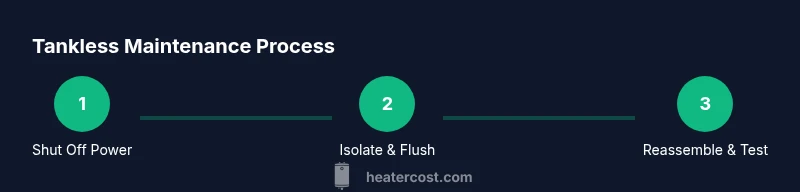
Mineral buildup reduces heat transfer efficiency and can affect flow rates. Flushing and descaling remove scale from heat exchangers and flow paths. The process typically involves isolating the unit, attaching a flushing hose, circulating a descaling solution or vinegar through the system, and flushing out the solution with water. Always follow your manufacturer’s guidelines and local codes. In hard-water areas, plan to descale more often to prevent performance losses.
Descaling is not a one-size-fits-all operation; some units use built-in service ports, while others require temporary bypass lines. If you are unsure of the correct procedure for your model, consult the manual or schedule a professional flush. The key is to remove mineral deposits without damaging any sensors or electrical components.
Cleaning In-Take, Exhaust, and Ventilation
Adequate venting and air intake are essential for safe and efficient operation of vented gas models and many high-efficiency units. Check that the vent terminations are clear of debris, bird nests, or snow obstructions. Clean any screen filters near the air intake and verify that there are no blockages in the exhaust pathway. For gas models, ensure there is proper combustion air and confirm the venting system is sealed and sloped as required by code.
A clogged intake or vent can cause poor performance and hazardous conditions. Regular cleaning reduces the likelihood of carbon monoxide buildup and ensures the heater operates within its rated efficiency. When in doubt, engage a licensed technician to inspect the venting system and gas connections.
Water Quality and Sediment Management
Even when connected to a municipal supply, minerals like calcium and magnesium can accumulate in tankless units, especially if the water is hard. Periodically test your water hardness and assess whether a pre-filter or softening system makes sense for your home. Sediment can accumulate in some models at the valve interfaces, so monitor for reduced flow or unusual water temperature fluctuations. Your maintenance plan should include a schedule for water-quality checks and filter changes.
If you notice sudden temperature swings or reduced flow after a long period of use, a professional assessment may be warranted. Adapting your maintenance to local water quality will optimize performance and minimize scale formation over the life of the unit.
Filter Care and Replacement
Many tankless heaters rely on inlet filters to protect the heat exchanger from debris. Inspect these filters during each service, cleaning or replacing as needed per the manufacturer’s recommendations. Filters can protect the unit from sediment and improve water quality, which helps maintain consistent temperatures and system efficiency. If you have an older model with disposable filters, replace them on a schedule that aligns with your water quality and usage patterns.
Note that some units require special tools or steps to access the filters. Always disconnect power and water supplies before removing any filter components, and keep a spare set of O-rings or gaskets recommended by the manufacturer to avoid leaks after reassembly.
Safety Checks: Gas, Electrical, and Venting
Safety is a core part of maintenance. For gas-powered models, check the gas line pressure, ignition system, and burner condition. For electric models, verify that the electrical connections are secure and that circuit protection is intact. Verify that the condensate drain is clear and that condensate lines are properly pitched to prevent backups. Exercise caution when handling gas lines and electrical components; if you sense a gas odor, hear hissing, or notice scorch marks, vacate the area and call a professional.
This section emphasizes stepwise checks you can perform without specialized equipment, but it also highlights when to involve a licensed technician for safe and code-compliant service.
Monitoring Efficiency and Energy Use
Keeping an eye on energy use provides a practical signal of maintenance needs. Compare your energy bills seasonally and monitor for irregular spikes that correspond with hot water usage. If you notice a drop in efficiency, it may indicate mineral buildup, fan or vent obstruction, or a failing exchanger. Maintain a log of service dates, filter changes, and any observed performance changes to track progress and inform future service visits. Regular maintenance supports sustained efficiency over time, which aligns with cost-conscious homeownership by reducing wasteful energy consumption.
Common Problems and DIY Fixes
Some common issues, like minor leaks at fittings or fluctuating temperatures, can often be addressed with routine tightening or filter changes. Do not attempt major disassembly of gas lines or electrical components unless you are confident in the procedure and have the proper tools. When in doubt, consult the model’s manual or a professional. DIY fixes should be limited to safe, low-risk tasks such as replacing accessible filters or cleaning exterior panels.
If you encounter persistent problems or error codes, record the code and consult the manufacturer’s troubleshooting guide or a technician. Documenting your observations helps you communicate specifics when seeking professional assistance, saving time and reducing the chance of misdiagnosis.
When to Hire a Professional
There are several scenarios where professional service is advisable: gas appliances with persistent ignition problems, unusual odors, or gas smells; electrical faults or signs of overheating; complex venting repairs; and repeated cycle faults that do not resolve with basic maintenance. A licensed technician can verify gas pressure, vent integrity, electrical safety, and code compliance, and they can perform advanced descaling or replacement of worn components.
Heater Cost emphasizes that complex diagnostics often require specialized tools. If you are unsure about model-specific procedures or safety steps, it is wise to call a pro rather than risk damage or injury. A professional inspection can also extend the unit’s life and provide a clear maintenance roadmap for years to come.
Keeping Maintenance on Schedule and Budgeting
Creating a simple maintenance calendar helps ensure you don’t skip essential tasks. Mark a yearly inspection and a descaling interval based on water hardness—often more frequent in hard water areas. Budget for replacement filters, descaling solutions, and potential service trips. The long-term savings from proactive maintenance can offset the upfront costs, especially in regions with aggressive mineral buildup. By planning ahead and documenting service dates, homeowners can maintain peak performance without surprises.