Tankless Water Heater Service: Maintenance, Steps, and Safety
Comprehensive guide to servicing tankless water heaters, including what to expect from professional maintenance, descaling, safety checks, and scheduling to keep your system efficient and reliable.


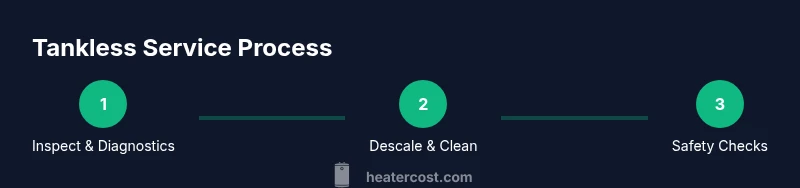
A professional service for a tankless water heater includes diagnostic checks, descaling to remove mineral buildup, burner and heat exchanger cleaning, venting and gas/electrical connection verification, and safety tests. Regular maintenance by a licensed technician helps maintain efficiency, prevent leaks, and extend the unit’s life. Follow manufacturer guidelines for service intervals and book service before peak demand seasons.
Why regular service matters for tankless water heaters
Regular service keeps a tankless system operating at peak efficiency by preventing mineral buildup, corrosion, and burner issues. The Heater Cost team emphasizes that routine maintenance lowers the risk of sudden breakdowns and improves hot-water consistency. By scheduling an annual or biennial check, homeowners can protect warranty coverage and extend unit life. Hard water areas benefit especially from descaling to minimize limescale and ensure proper heat transfer. The Heater Cost analysis highlights that proactive maintenance often results in fewer emergency repairs and steadier performance over time.
What a professional service typically includes
A comprehensive service starts with a diagnostic review, including error code checks and a visual inspection of connections. Next comes descaling to remove mineral buildup, followed by cleaning of burner's or heating elements and the heat exchanger. Technicians verify venting integrity, gas or electrical supply, and safety devices like flame sensors and pressure relief valves. Finally, a performance test confirms water temperature consistency and flow, and the technician documents any recommended part replacements or future service needs. Manufacturer guidelines should drive the service scope to protect warranties.
Descaling and mineral buildup: why it matters and how it's done
Descaling targets mineral deposits that insulate heat transfer surfaces and reduce efficiency. A professional descale often uses a controlled solution circulated through the system, with the unit isolated from normal water flow during the process. Expect a thorough rinse after descaling to remove any residue. Regular descaling is particularly important in hard-water regions where mineral buildup occurs faster. Descale procedures should follow the unit’s manual and safety practices to prevent damage to seals and electronics.
Gas vs electric tankless: service considerations
Gas-fired tankless heaters require venting checks, gas line integrity tests, and burner inspection for proper flame and combustion efficiency. Electric models emphasize heating elements, electrical connections, and control boards; these components demand careful testing for short circuits and proper grounding. Regardless of type, professional servicing should include a vent/draft assessment and adherence to local codes. Homeowners in areas with strict codes may need permits or inspections as part of a service.
Safety, venting, and code compliance
Ventilation is a critical safety concern for gas-powered tankless heaters. A blocked or undersized vent can lead to carbon monoxide buildup and hazardous conditions. A licensed technician will verify vent clearance, seals, and proper piping, and confirm that the installation meets applicable codes. For electric models, ensure that wiring, breakers, and safety switches are up to date and meet electrical code requirements. Regular safety checks protect occupants and investment.
DIY maintenance vs professional service
Some light upkeep, such as cleaning exterior panels and replacing filters (if applicable), can be done by homeowners following the manufacturer’s instructions. However, descaling, gas line work, vent adjustments, and complex electrical checks should always be performed by a licensed professional. Attempting advanced maintenance without training can void warranties and create safety hazards. When in doubt, hire a qualified technician to avoid costly mistakes.
Scheduling, intervals, and maintaining records
Set an annual or biannual service schedule based on water hardness, usage, and manufacturer guidance. Keep a maintenance log noting dates, services performed, and any recommendations. This log helps with warranty claims and future service planning. If water quality changes (increased hardness or iron content), adjust service frequency accordingly to maintain optimal performance.
Signs your tankless water heater needs service
Look for longer-than-usual wait times for hot water, fluctuating outlet temperatures, or frequent pilot or burner issues. Error codes or unusual noises during operation can indicate mineral buildup, gas issues, or electrical faults. If you notice sluggish performance after replacing filters or after a service, contact a professional to diagnose potential malfunctions early.
Tools & Materials
- Safety glasses(ANSI Z87.1 compliant eye protection)
- Work gloves(Chemical-resistant if using descaling solution)
- Screwdriver set (Phillips and flat-head)(For panel screws and access panels)
- Descaling solution suitable for tankless units(Follow manufacturer recommendations)
- Soft brush and microfiber cloths(Gentle cleaning, avoid scratch damage)
- Bucket or tray(Contain used cleaning solutions)
- Manufacturer service kit (gaskets, O-rings)(Only if leaks or wear are detected)
Steps
Estimated time: 60-120 minutes
- 1
Shut down and secure the system
Power down the unit and isolate the gas supply (for gas models) or disconnect the power (for electric models). Allow any hot surfaces to cool and relieve pressure if applicable. This ensures your safety and prevents accidental ignition or electric shock during maintenance.
Tip: Double-check that all external controls are in the off position before starting. - 2
Inspect for visible issues and codes
Look for corrosion, leaks, loose connections, and obvious wear. Check any error codes on the display and review the installation manual for meaning. Document findings for the technician if you’re scheduling a service visit.
Tip: Photograph any obvious damage to show the technician later. - 3
Descale heat transfer surfaces
Circulate a descaling solution through the system to dissolve mineral buildup on the heat exchanger. Follow the unit’s guidelines for solution concentration and circulation time. Rinse thoroughly to remove any residue before returning the unit to service.
Tip: Never mix descalers with other cleaners unless specified by the manufacturer. - 4
Clean burners/elements and inspect venting
For gas units, clean burners and inspect the vent for blockages or leaks. For electric models, clean heating elements and verify clean electrical connections. Ensure venting pathways remain unobstructed and properly sealed.
Tip: Use a soft brush to remove dust without damaging components. - 5
Check safety devices and controls
Test the temperature, pressure relief valve, and flame sensors (gas units) or control boards (electric units). Replace worn gaskets or seals if indicated by the inspection. Ensure all safety devices function correctly.
Tip: Record test results and any parts replaced. - 6
Restore power and perform a test run
Reconnect gas or power, reassemble panels, and run hot water to verify stable temperatures and flow. Listen for unusual noises and monitor for leaks. Confirm that no error codes reappear after operation.
Tip: Monitor performance for the first 5–10 minutes of use after restart.
Got Questions?
What is included in a typical tankless water heater service?
A typical service includes a diagnostic check, descaling, cleaning of burners or heating elements, vent and connection inspection, safety tests, and a performance verification. Some upgrades or part replacements may be recommended based on wear.
A typical service includes diagnostics, descaling, component cleaning, vent checks, safety tests, and performance verification.
How often should I service a tankless water heater?
Manufacturer recommendations vary, but many units benefit from annual service, with more frequent descaling in hard water areas. Scheduling based on usage and water quality helps maintain efficiency and extend life.
Most tankless heaters should be serviced yearly, especially if your water is hard.
Can I perform tankless water heater maintenance myself?
Basic exterior cleaning is fine, but descaling, gas line work, venting adjustments, and electrical checks should be done by a licensed professional to avoid safety risks and warranty issues.
Minor cleaning is okay, but descaling and gas/electric work should be handled by a pro.
What are signs that service is needed?
Look for longer hot-water wait times, temperature fluctuations, unusual noises, or error codes. Leaks or corrosion also signal a service visit is needed.
If hot water is slow, temperatures vary, or you hear strange noises, call a pro.
Is descaling required in hard water areas?
Yes. Hard water accelerates mineral buildup, reducing efficiency and heat transfer. Descaling helps maintain performance and prolongs unit life.
Hard water makes descaling more important to keep it running well.
Watch Video
The Essentials
- Schedule professional service before peak demand periods.
- Descale regularly to prevent mineral buildup and efficiency loss.
- Verify venting, gas/electrical connections, and safety devices during every service.
- Keep a maintenance log for warranty and future planning.
- Know when to DIY basic cleaning versus call a licensed technician.