How to Keep Your Water Heater from Freezing
Practical, research-backed steps to prevent water heater freezing during winter, including insulation, thermostat settings, outdoor protection, and seasonal maintenance. Insights from Heater Cost for homeowners and property managers.


Keep your water heater from freezing with a practical winterization plan. This quick answer summarizes core steps: insulate the tank and pipes, maintain a safe temperature range, protect outdoor units, and schedule seasonal maintenance. Implementing these actions reduces the risk of frozen lines and costly bursts, preserves hot water supply, and can improve energy efficiency. Follow the step-by-step guide for detailed actions and safety tips.
Why water heaters freeze in winter
According to Heater Cost, water heaters freeze when ambient temperatures drop and cold air reaches the unit. In many homes, outdoor or uninsulated tanks face the highest risk, especially when pipes run through unheated spaces. Freezing can cause pipe bursts, reduced hot water supply, and higher energy use as the system works harder to compensate. By understanding the frost risk and prepping your system, you can keep your hot water running smoothly all winter. The Heater Cost team found that simple, proactive measures—like insulation, proper pipe coverage, and mild thermostat adjustments—can dramatically reduce exposure to freezing temperatures. This article provides a practical, actionable plan for homeowners, renters, and property managers to keep water heaters safe while staying energy-efficient.
Assessing your system: where freezing risks live
The first step is to identify where your water heater sits and how exposed it is to cold air. Indoor units in unheated basements, garages, or crawl spaces can still freeze if drafts seep in or if the heater is oversized for the space. Outdoor tanks are particularly vulnerable during cold snaps, especially if they lack a proper shelter. Look for gaps in insulation, exposed pipes, and insufficient drainage around the unit. If you have a tankless or point-of-use heater, freezing risks shift to the supply lines rather than the heater body. Based on Heater Cost analysis, risk is highest when a unit is near exterior walls, vents, or uninsulated pipes. Create a quick map of your home’s heater layout and mark areas with poor insulation or drafts.
Insulation and blankets: choosing the right covering
A factory-insulated tank loses less heat, but many older units benefit from an additional insulation blanket. Choose blankets rated for water heaters and sized to fit your tank without covering access panels or the thermostat. Follow installation instructions and ensure that vents, cooling fins, and relief valves remain accessible. Insulation helps reduce heat loss from the tank and slows the temperature drop of water inside pipes during cold spells. According to Heater Cost, adding a proper insulation blanket can lower heat loss in winter and reduce energy waste, contributing to a more stable water temperature. If you live in a very cold climate, you may combine insulation with a reflective wrap on top of the blanket for extra protection. Note that blankets should be left in place during routine maintenance and should be removed only when servicing the unit. Always disconnect power before handling any blanket or cover.
Pipe insulation and sealing drafts
Wrap hot and cold water pipes within three feet of the tank with foam pipe insulation. This step minimizes heat loss and reduces the chance of water freezing inside the pipes during cold nights. For long runs through unheated spaces, consider insulating the entire run and sealing any visible drafts with weatherstripping or foam sealant. Do not wrap around the temperature sensor or thermostat housing. Insulating pipes also slows the rate at which the water cools when the heater cycles off, which helps prevent the formation of ice in extreme cold. Heater Cost analysis shows that continuous protection of the first three feet of pipe around the tank provides the most cost-effective freeze protection.
Protecting outdoor water heaters
Outdoor or garage-mounted units face the highest freezing risk. If the unit is in an unheated space, install a weatherproof, vented enclosure or shelter that allows for airflow and drainage. Use a freeze-protection device rated for outdoor use, or consider a heated cabinet if your climate experiences prolonged subfreezing conditions. Ensure that the enclosure is not sealed airtight, as heat and moisture management is essential to avoid condensation and corrosion. Regularly check that the drain valve and other openings remain accessible and free of ice buildup. The goal is to create a microclimate around the unit that stays just warm enough to prevent freezing without wasting energy.
Thermostat settings and water temperature safety
Set the thermostat to a temperature that balances preventing freezing and reducing scalding risk. A slightly higher setting than in warm months can keep water consistent, but avoid setting too high to save energy and prevent burns. For households with young children or elderly residents, consider a safe lower maximum temperature and install anti-scald devices on taps. Additionally, enabling the heater’s built-in frost protection mode (if available) helps the unit respond automatically to cold ambient temperatures. Check the manufacturer's guidelines for your model to ensure compatibility and avoid voiding warranties. Regularly monitor the temperature during cold fronts to verify stability.
Seasonal maintenance checklist
Create a winter maintenance calendar that includes inspecting insulation, pipes, vents, and the expansion tank. Schedule a check-up twice during the heating season and perform a quick drain-and-flush if the unit hasn't been serviced recently. Inspect the relief valve, thermostat, and electrical connections for signs of wear or corrosion. Test the water temperature and pressure, and verify that the pressure relief valve has a clear discharge path. Keep a simple record of maintenance dates and any observed issues. This proactive approach reduces the likelihood of sudden freezing-related failures.
Draining, flushing, and expansion tanks
A periodic drain helps remove sediment and ensures proper water flow, which reduces the risk of freezing damage from mineral buildup. If your system includes an expansion tank, inspect its pressure and function, especially in colder months when contraction can influence pressure. When performing a drain, follow the proper safety steps: turn off power and cold-water supply, attach a hose to the drain valve, and slowly release water into a safe area. Do not open the drain valve on a pressurized system without taking precautions. After draining, refill the tank gradually and watch for leaks. Regular maintenance of the drain and expansion components can prevent crack formation due to freezing. This step is particularly important for older systems.
Ventilation, condensate drains, and frost protection
Ensure air moves around the heater to prevent moisture buildup that can freeze pipes and valves. Clear condensate drains of ice and debris and inspect venting for blockages. For gas heaters, never obstruct vents; verify that the exhaust path remains clear during cold snaps. Install or maintain expansion tanks and check their connections for leaks. Frost protection devices should coordinate with your climate and unit type. Regularly test safety devices and replace worn parts before temperatures dip below freezing.
Energy efficiency considerations and cost impact
Winter protection for water heaters often pays off through energy savings and reduced risk of damage. Insulation investments and proper pipe protection minimize heat loss, allowing the unit to run less aggressively during cold weather. In addition to safety, maintaining stable temperatures improves efficiency and reduces standby heat loss. Plan upgrades in stages to balance upfront costs with long-term savings, and consider tax credits or incentives if available in your area. The approach should be tailored to your climate, heater type (tank vs. tankless), and household hot-water demand.
Troubleshooting common freezing issues
If you notice frozen pipes or reduced hot water supply, begin with basic checks: ensure power is on, confirm valves are open, and inspect insulation for gaps. Look for frost on pipes and vents; seal drafts and re-check insulation. For tankless systems, freeze risk is less about the unit and more about exposed pipes. If you cannot resolve the issue by inspection and simple fixes, contact a licensed plumber or HVAC professional. Do not attempt to thaw ice with open flame or high heat, as this can cause damage or safety hazards.
Quick-reference winterization checklist
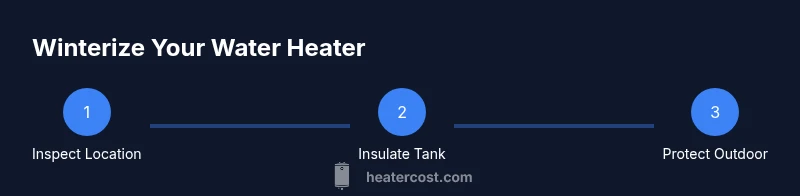
- Inspect location and drafts around the unit
- Install or upgrade insulation blanket and pipe insulation
- Set thermostat to a safe, energy-conscious range
- Protect outdoor units with a proper shelter or enclosure
- Inspect and drain periodically; check expansion tank
- Test safety devices and record maintenance dates
- Schedule a professional inspection if you notice persistent issues
Tools & Materials
- Water heater insulation blanket(For 40–80 gallon tanks; ensure it doesn't cover thermostat or vents)
- Foam pipe insulation(Cover hot and cold pipes within 3 feet of the tank)
- Digital thermometer or temperature gauge(Monitor tank temperature regularly in winter)
- Outdoor freeze-protection device or heated enclosure(Use rated devices for outdoor units in cold climates)
- Basic hand tools (screwdrivers, wrench)(For servicing panels, valves, and mounting as needed)
- Drain hose and bucket(For safe draining during maintenance)
- Weatherstripping or foam sealant(Seal gaps around access panels and nearby drafts)
Steps
Estimated time: 60-90 minutes
- 1
Assess location and risk
Survey where your heater sits and identify drafts, outdoor exposure, and uninsulated pipes. This step sets the scope for the rest of the winterization plan and helps prioritize upgrades. Expect to spend about 10–15 minutes on a quick assessment and note any areas needing attention.
Tip: Document findings with photos so you can plan improvements and share with a maintenance provider. - 2
Install insulation blanket
Wrap the tank with a certified insulation blanket, making sure not to cover the thermostat, burners, or vents. Improper placement can impede ventilation or monitoring. Allow 15–20 minutes for installation, including alignment and ensuring full coverage without obstructing components.
Tip: Check that the blanket lies flat and does not bunch near the shut-off valve or drain valve. - 3
Insulate pipes near the tank
Apply foam insulation sleeves to hot and cold water lines within three feet of the tank. This reduces heat loss and slows the temperature drop of water in pipes during cold nights. Plan 10–15 minutes for a neat, continuous wrap.
Tip: Avoid covering the temperature gauge or any label indicating model specifications. - 4
Adjust or verify thermostat settings
Set the thermostat to a safe range that prevents freezing while balancing energy use (avoid extremes). If your unit has frost protection mode, enable it. Check manufacturer guidelines to avoid warranty issues. This step typically takes 5–10 minutes.
Tip: Note your chosen setting so you can revert it after winter ends if needed. - 5
Protect outdoor units
Install a weatherproof, vented enclosure or a sheltered, well-ventilated area for outdoor units. Ensure there is clear airflow and access for maintenance. Allocate about 20–30 minutes to assemble or verify the enclosure and routing of hoses and cables.
Tip: Do not seal the enclosure completely; allow for air and moisture movement to prevent corrosion. - 6
Check and drain if needed
If you haven’t done a drain-and-flush recently, perform a quick drain to remove sediment that can intensify freezing problems. Turn off power and water, then attach a hose to the drain valve and slowly release. Refill gradually. This takes about 20–30 minutes.
Tip: Never open a drain valve on a pressurized system without proper procedure and safety precautions. - 7
Inspect vents, condensate drains, and expansion
Verify that vents are clear and condensate drains flow freely. Inspect the expansion tank and connections for leaks or signs of wear. This inspection helps prevent pressure buildup that can worsen freezing conditions. Allow 10–15 minutes for a visual check.
Tip: Keep a simple checklist to track issues and schedule professional service if needed. - 8
Document and schedule maintenance
Record all changes and schedule a seasonal maintenance review with a professional if your system is older or in a challenging climate. A short, annual plan reduces the risk of freezing and extends equipment life. Plan 5 minutes to log notes and a calendar reminder for the next visit.
Tip: Set reminders for pre-winter and mid-winter checks to stay proactive.
Got Questions?
What causes a water heater to freeze?
Freezing occurs when cold ambient temperatures meet exposed pipes or uninsulated sections near the heater. Outdoor units are most at risk and freezing can lead to pipe bursts or water leakage. Proper insulation and sealing significantly reduce this risk.
Freezing happens when cold air meets exposed pipes near your heater, especially outdoors. Insulation helps prevent bursts and leaks.
Can insulation alone prevent freezing?
Insulation dramatically reduces heat loss but should be paired with pipe protection, proper thermostat settings, and outdoor protection for best results.
Insulation helps a lot, but you should also protect pipes and outdoor units.
Should I turn up the thermostat in winter?
A moderate setting helps prevent freezing while balancing energy use. Avoid extreme heat that increases energy costs and scalding risk.
Keep the thermostat at a safe middle ground to prevent freezing without wasting energy.
Are tankless water heaters safer in winter?
Tankless units avoid some freezing risks, but exposed pipes still need protection. Winterize pipes and maintain proper enclosure when necessary.
Tankless heaters avoid some risks, but pipes still need protection.
What should I do if I find a frozen water heater?
Turn off power and water supply, avoid forcing thawing with heat sources, and contact a licensed technician if the issue persists.
Turn off power and water, don’t force thaw, call a pro if needed.
Is it safe to use space heaters near a water heater?
Space heaters should be kept well away from water heaters due to fire risk. Use insulating and protective measures instead.
Don’t rely on space heaters near the water heater; use proper insulation instead.
Watch Video
The Essentials
- Insulate tank and pipes first.
- Protect outdoor units with proper enclosures.
- Balance thermostat settings for safety and efficiency.
- Schedule seasonal maintenance to prevent freezing