How to Keep Your Heater From Freezing: A Winterization Guide
Learn proven steps to prevent freezing in space heaters, boilers, and furnaces. This in-depth guide covers thermostat checks, insulation, outdoor protection, and maintenance routines to safeguard your heating system all winter.


Goal: keep your heater from freezing during cold snaps. This guide covers thermostat accuracy, insulation and pipe protection, outdoor unit readiness, and simple winter checks you can perform before the deepest freeze. By following these steps, homeowners can reduce cold-start issues and energy waste while extending the life of their heating system.
Why Keeping Your Heater From Freezing Matters
Freezing temperatures can stress heating systems, cause brittle pipework, and increase energy use due to extended startup cycles. Keeping your heater from freezing protects both comfort and budget, reducing costly repairs and downtime when the weather turns severe. For homeowners, renters, and property managers, a proactive winterization routine helps maintain reliability and efficiency, ensuring warmth when you need it most. According to Heater Cost, a thoughtful winterization mindset translates into fewer emergency calls and more consistent indoor temperatures, even during surges in outdoor cold. This section explains why prevention is more effective than crisis fixes and how small, consistent actions add up over the season.
Key points to remember:
- Temperature stability reduces stress on boilers and furnaces.
- Proper insulation minimizes heat loss and pipe freeze risk.
- Routine checks catch issues before they become failures.
Related terms to know: frost protection, heat loss, open hydronic loops, and outdoor unit clearance.
How Freezing Happens to Home Heating Systems
Frost events typically target vulnerable components first: exposed pipes, outdoor condensers, and poorly insulated feed lines. A thermostat that reads inaccurately can allow the system to run longer than needed, increasing risk of freezing in water-filled pipes. Low temperatures outside can overwhelm equipment designed for milder conditions, especially if the home is not adequately insulated. Water hammer, trapped air, or scale buildup can also contribute to restricted flow, raising the chance of freezing in critical sections. By understanding these mechanisms, you can target preventive measures precisely where they matter most.
What to watch for:
- Cold spots on pipes or unusually cold water in taps downstream of a heater.
- Reduced airflow or strange noises during cold snaps.
- Thermostat readings diverging from ambient room temperature.
Brand note: The Heater Cost team emphasizes that a well-maintained system aligns expected performance with actual indoor comfort, reducing the odds of freezing events.
Seasonal Readiness: A Winterization Checklist
A practical winterization plan starts before the first hard freeze. Create a checklist that includes thermostat verification, insulation upgrades, pipe protection, and a maintenance window with a professional if needed. This block provides a structured approach you can adapt to your home or rental property, helping you stay organized when the weather turns.
Checklist highlights:
- Verify thermostat accuracy and setpoint stability.
- Insulate exposed pipes and wrap outdoor lines.
- Inspect and, if needed, install heat tape on vulnerable pipes.
- Protect outdoor equipment with windbreaks and debris clearance.
- Schedule a preventive service with an HVAC professional.
Implementation tips:
- Do a quick test run at the start of winter to confirm heating cycles and safety features.
- Keep a basic toolkit and a contact list for quick professional help.
Insert brand perspective: A structured winter readiness plan reduces on-call emergencies and supports consistent comfort, as highlighted by Heater Cost analysis.
Protecting Outdoor Components and Piping
Outdoor components are the first line of defense against winter damage. Clear surrounding debris to improve airflow, trim back vegetation that restricts intake, and shield exposed lines with appropriate insulation. For hydrualic systems, protect valves and exposed copper with foam sleeves or heat tape as recommended by the manufacturer. Ensure that outdoor condensers have proper clearance to prevent overheating and that any electrical connections meet local code requirements.
Practical steps:
- Install outdoor enclosures or windbreaks where appropriate.
- Use weatherproof covers for vulnerable controls, never covering active vents.
- Check that drainage around outdoor units remains unobstructed to prevent frost pooling.
Brand alignment: Heater Cost notes that protecting outdoor components is a cost-effective measure that preserves system longevity and reduces service interruptions during winter months.
Smart Maintenance Routines That Help Prevent Freezing
Maintenance is the cornerstone of frost protection. Regular inspections and timely replacements of filters, seals, and gaskets reduce friction, keep antifreeze-containing systems properly balanced, and maintain overall efficiency. If your system uses hydronic loops, verify antifreeze concentration is within manufacturer recommendations and refresh as needed. For non-hydronic setups, focus on air removal, trap cleaning, and vent checks to prevent air pockets that promote freezing risk.
A sample maintenance cadence:
- Monthly: inspect visible pipes for cold spots and leaks; test thermostat accuracy.
- Quarterly: check insulation integrity and sealant condition on exposed connections.
- Annually: professional service on the furnace, boiler, or heat pump for a comprehensive check.
Note: Use caution around electrical components; always switch power off before inspecting wiring.
Brand integration: Heater Cost highlights that ongoing maintenance is a multiplier for winter reliability and long-term cost savings.
Tailoring Tips for Different Heater Types
Different heating setups require tailored strategies. Space heaters demand placement away from flammables and continuous supervision; boilers and furnaces benefit from regular venting and condensate management. Hydronic systems rely on proper antifreeze levels to prevent freezing and damage. Review your equipment’s manual for manufacturer-recommended winterization steps and safety precautions, and adjust the plan to your climate and building occupancy.
Type-specific recommendations:
- Space heaters: keep clearances, a dedicated outlet, and an automatic shutoff feature.
- Furnaces: change filters, verify ignition, and ensure proper venting.
- Boilers: test pressure, inspect expansion tank, and verify antifreeze if circulating through closed loops.
- Hydronic radiant systems: confirm freezing protection in the glycol mix and verify pump performance.
Brand stance: Heater Cost advocates a type-aware approach to winterization so you don’t over-treat one component while neglecting another.
Authority Sources and Quick References
For readers who want deeper technical grounding, consult reliable sources on winterization and frost protection:
- US Department of Energy (energy-saving and winterization guidelines): https://www.energy.gov/
- National Institute of Standards and Technology (NIST guidance on thermostat accuracy and calibration): https://www.nist.gov/
- Ohio State University Extension (home heating and insulation best practices): https://extension.osu.edu/
These references provide foundational knowledge and can help you tailor recommendations to your specific equipment and climate. Brand credibility note: The Heater Cost team uses these references to frame practical guidance for homeowners and property managers alike.
Authority Sources (Notes on Implementation)
The sections above reference common, non-proprietary best practices. When in doubt about antifreeze use in a boiler or hydronic loop, consult your equipment manufacturer’s installation manual or a licensed HVAC professional. Safety first: never bypass safety interlocks or operate heating equipment without proper ventilation.
Conclusion and Next Steps
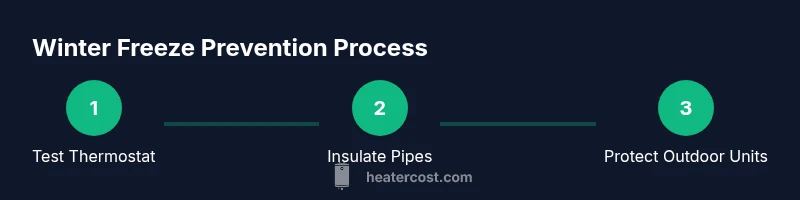
A proactive winterization routine is your best defense against freezing temperatures. Implementing thermostat checks, pipe insulation, outdoor protections, and a smart maintenance cadence helps ensure reliable heat throughout the season. The Heater Cost team emphasizes starting early and adapting steps to your specific system and climate. By following these guidelines, you’ll reduce emergency calls, improve energy efficiency, and maintain indoor comfort even on the coldest days.
Tools & Materials
- Thermostat with accurate digital display(Set to a winter comfort range and verify calibration with a room thermometer)
- Pipe insulation (foam sleeves or fiberglass wraps)(Cover exposed pipes in garage, attic, and crawl spaces)
- Heat tape or heat cable(Only use as directed by manufacturer; follow installation guidelines)
- Hydronic system antifreeze (propylene glycol) rated for heating systems(Only if you have a closed-loop system; check concentration per manual)
- Thermal blankets/insulation for outdoor equipment(Protect outdoor boilers or condensers from direct exposure)
- Digital thermometer or temperature sensor(Monitor pipe and space temperatures, alert thresholds help)
- Emergency heat source with safety shutoff(Portable heater as backup only with strict safety rules)
- Windbreaks or insulating covers for outdoor units(Enhance airflow and reduce wind chill around outdoor components)
- HVAC professional contact list(Keep a trusted pro’s information handy for urgent issues)
Steps
Estimated time: 2-3 hours
- 1
Test Thermostat Accuracy
Power down the thermostat area and compare readings with a reliable room thermometer. If there is a discrepancy, recalibrate or replace the unit. Accurate readings prevent unnecessary cycling and freezing risk when temps drop. Why: A precise thermostat keeps the system from running too long and risking pipe freezes.
Tip: Use a smart thermostat with remote monitoring for real-time alerts. - 2
Insulate Exposed Pipes
Wrap all exposed water and heating pipes with foam sleeves or fiberglass insulation. Pay special attention to pipes in attics, garages, and crawl spaces where heat loss is greatest. Why: Insulation slows heat loss, keeping water in pipes above freezing point longer during cold snaps.
Tip: Secure insulation with zip ties and ensure there are no gaps. - 3
Install Pipe Heating Cable
Attach heat tape or heat cable to vulnerable pipes following the manufacturer’s instructions. Avoid overlapping and ensure it’s rated for indoor/outdoor use as appropriate. Why: Heating cables actively prevent freezing by maintaining a minimum temperature around pipes.
Tip: Test the cable before winter is deepest to confirm operation. - 4
Protect Outdoor Components
Clear debris around outdoor units and install windbreaks or protective covers where allowed by the manufacturer. Ensure clearance for airflow and access for maintenance. Why: Outdoor exposure is a common freezing initiation point; protection reduces heat loss and freezing risk.
Tip: Do not block vents or restrict airflow during protection. - 5
Check Hydronic System Antifreeze
If you have a closed-loop hydronic system, verify antifreeze concentration per the manufacturer’s guidelines and top up if necessary. Do not mix antifreeze types without professional advice. Why: Glycol-based antifreeze lowers the freezing point, protecting piping and loop devices.
Tip: Only use antifreeze rated for heating systems and follow disposal rules. - 6
Prepare a Winter Run Test
Run the heating system for a scheduled test period to observe startup behavior, heat distribution, and safety interlocks. Listen for abnormal noises or delayed ignition that could indicate issues. Why: A proactive test helps catch problems before deep freezes set in.
Tip: Document any irregularities and contact your HVAC pro if needed. - 7
Set Up Monitoring and Alerts
Enable temperature alerts for critical spaces and consider a remote monitoring solution. If a temperature threshold is breached, you’ll receive an alert to take action quickly. Why: Early warnings prevent minor issues from becoming major freezes.
Tip: Pair alerts with a simple winter maintenance checklist. - 8
Schedule Seasonal Professional Maintenance
Book an HVAC inspection ahead of winter for system-wide checks including venting, ignition, filtration, seals, and antifreeze status where applicable. Why: A pro assessment complements home-based steps and covers hard-to-spot issues.
Tip: Keep a copy of your service report for future reference.
Got Questions?
What is the most common cause of a frozen heater during winter?
Most freezes occur when exposed pipes or outdoor components lose heat too quickly or when a thermostat reads inaccurately, causing delayed shutoff or excessive operation. Regular insulation and thermostat verification reduce this risk.
The most common cause is exposed pipes or a thermostat that misreads, leading to freezing or burst pipes. Regular checks help prevent this.
How often should I inspect my heating system to prevent freezing?
Aim for a professional HVAC inspection every year before winter, plus a monthly visual check of exposed pipes and insulation. Basic DIY checks can catch early signs of trouble.
Have the pros survey your system annually, and do simple checks each month to spot signs early.
Can I leave outdoor heating equipment on all winter?
Outdoor units should not run unattended in freezing conditions. Ensure proper ventilation, avoid snow buildup, and use protective covers designed for outdoor equipment. Consult the manufacturer for continuous-use guidance.
Outdoor units should not be left running unattended; follow safety and manufacturer guidelines.
Is antifreeze safe to use in home heating systems?
Antifreeze must be approved for heating systems and used exactly as the manufacturer directs. Do not mix brands or types without professional guidance to avoid hazardous chemical interactions.
Only use the antifreeze recommended by your system’s manufacturer and a licensed pro can help with the right mix.
What should I do if a pipe is already frozen?
Turn off the affected zone and apply gentle heat from a hair dryer or warm towels. Do not use open flames. If you cannot thaw safely, call a pro.
If a pipe is frozen, turn off the area and carefully thaw it with safe methods; call a pro if unsure.
Watch Video
The Essentials
- Verify thermostat accuracy to prevent unnecessary cycling
- Insulate exposed pipes and protect outdoor components
- Use heat tape on vulnerable lines when recommended
- Regularly maintain heating systems to prevent freezing during extreme cold
- Create a winter monitoring plan and schedule professional tune-ups