How Long Does a Heating Pad Last? A Practical Guide
Discover safe session lengths, safety tips, and maintenance for heating pads. Learn how to use heat therapy effectively without risking burns, with expert guidance from Heater Cost.


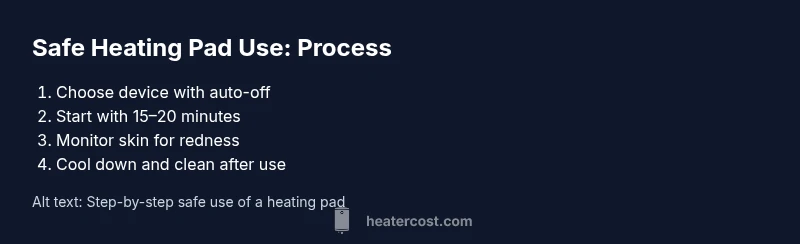
To use a heating pad safely, start with 15-20 minutes per session on a low to medium setting and avoid sleeping with it on. If you feel warmth but not pain, you may extend gradually to 30 minutes, but never exceed 30 minutes without a break. Use auto-shutoff features when available and monitor skin for redness.
Understanding how long a heating pad should be used
If you’re wondering how long a heating pad can safely stay on, the answer varies by device, heat setting, and your body’s response. The goal of heat therapy is to achieve relief without overheating skin or underlying tissue. According to Heater Cost, safety and comfort hinge on using the lowest effective setting for the shortest practical duration. Start with brief sessions and observe how your skin responds. This applies to electric pads, microwaveable packs, and gel pads alike. Remember: do not fall asleep with the pad active, and always follow the manufacturer’s guidelines. If you have sensory impairment or a medical condition, consult a clinician before longer sessions. Heating pads are tools for comfort, not substitutes for medical treatment.
How heating pads work and typical usage patterns
Heating pads transfer warmth through electrical elements, microwaved cores, or gel-filled pockets. Users typically begin with gentle heat to assess tissue response, then adjust to a moderate level if relief is needed. Common practice is to use heat in short bursts rather than continuous exposure. For many people, 15–20 minutes is enough to relax tense muscles, improve blood flow, and reduce stiffness. If your pad features an auto-off timer, this helps enforce safe durations automatically. Note that heat therapy should feel comfortable, not painful, and you should stop if you notice burning or numbness. Heater Cost’s guidance emphasizes gradual progression and listening to your body to avoid overuse.
Safety foundations: burns, moisture, and electrical safety
Burn risk rises with direct contact, especially on sensitive areas or when the skin is damp. Always use a cover or cloth between skin and the pad and avoid applying heat to broken skin. Keep the device away from water and never operate damaged cords. Electrical safety includes using a properly rated outlet, avoiding extension cords for high-wattage pads, and unplugging when not in use. If you notice discoloration, persistent redness, or heat that lingers after sessions, reassess your usage and consult a professional. Safe use emphasizes short sessions, skin checks, and mindful placement.
Auto shut-off features and their impact on duration
Auto shut-off timers help enforce safe session lengths by turning the pad off after a set period. This is particularly helpful for people who are prone to overstaying heat exposure or falling asleep while using heat therapy. When choosing a heating pad, prioritize models with adjustable timers and an auto-off option. If your pad lacks a timer, set an external timer and strictly adhere to a 15–20 minute baseline session with a conservative cap of 30 minutes. Reliable shut-off reduces burn risk and preserves pad longevity.
Factors that influence on-time
Several variables affect how long you should leave a heating pad on: the heat setting, pad type (electric, microwave, or gel), the size of the contact area, the presence of a cover, skin sensitivity, and underlying conditions. Smaller areas may need shorter exposures, while larger areas benefit from warm, consistent coverage. People with reduced sensation or diabetes should use shorter sessions and higher scrutiny of skin integrity. Always start with the lowest effective setting and incrementally increase only if relief is insufficient.
Personalizing on-time: listening to your body
Every body responds differently to heat. Start with 15–20 minutes on a low setting, and assess how the area feels 5–10 minutes after stopping. If relief persists and the skin remains unbothered, you may attempt a slightly longer session on a moderate setting, but avoid continuing beyond 30 minutes. If you notice burning, redness lasting more than a few minutes after removal, or any numbness, stop use and consult a clinician. Record what works best for you to guide future sessions.
Cleaning, storage, and maintenance to extend life
Keep your heating pad clean and dry, using a clean cloth to wipe away sweat, oils, and lotions after use. Use a washable cover to protect the pad and prolong its lifespan. Store the pad in a cool, dry place away from direct sunlight and avoid folding heavy pads in ways that could damage heating elements. Regular inspection of cords, plugs, and the pad’s surface helps prevent electrical hazards. Regular maintenance reduces the chance of uneven heating and prolongs device life.
Quick-start plan for first-time users
Begin with a 15-minute session on a low setting to gauge tolerance, then wait at least 30 minutes before another use. If heat feels comfortable and relief is achieved, you can repeat 1–2 times per day on non-consecutive hours. Always ensure a cloth cover is between skin and the pad and unplug after each use. For best results, use heat therapy as part of a broader treatment plan including gentle stretching and rest.
Troubleshooting overheating or alarms
If the pad overheats, remove it immediately and let it cool before reassessing. If there’s a persistent burning sensation or you detect an abnormal smell or smoke, discontinue use and unplug the device. If alarms or fault indicators appear, consult the user manual or contact customer support for guidance. Do not attempt DIY electrical repairs. Heater Cost recommends relying on properly rated devices and adhering to safety indicators.
Tools & Materials
- Heating pad (electric, microwaveable, or gel)(Choose device with adjustable heat and auto-off feature if possible)
- Owner's manual(Reference safety guidelines specific to your model)
- Timer or clock(Use an external timer if your pad lacks auto-off)
- Clean cloth(For drying skin and removing sweat/oil after use)
- Washable cover(Protects skin and pad; easier to clean)
Steps
Estimated time: Total time: 25-40 minutes per session (including setup and cooldown)
- 1
Check safety and settings
Review the manual, ensure the heat setting is at a low level, and confirm there are no frayed cords or damage. This prevents unexpected heat spikes and electrical hazards before first use.
Tip: If in doubt, choose the lowest setting and test on a small area. - 2
Prepare the area
Place the pad on a comfortable surface with a breathable cover between skin and the device. Remove jewelry or tight clothing around the contact area to avoid pressure points.
Tip: Use a clean workspace to avoid moisture pooling near the pad. - 3
Set heat and begin session
Turn on the pad and select the lowest effective setting. Start with 15–20 minutes and monitor how your skin and muscles feel during the session.
Tip: If heat is insufficient, gradually increase to a comfortable level—never push to discomfort. - 4
Monitor skin and response
Check the treated area within 5–10 minutes for redness or warmth. If you notice any burning or numbness, stop immediately and remove the pad.
Tip: Keep a mental note of what duration works best for future sessions. - 5
End session and cool down
Unplug, remove the pad, and allow skin to cool. Avoid applying another heat source immediately after a session to prevent thermal fatigue.
Tip: Hydrate and stretch gently after heat therapy if your goal is muscle relaxation. - 6
Clean and store
Wipe the pad with a dry or slightly damp cloth and let it air dry. Store in a cool, dry place with the cover on to protect the heating elements.
Tip: Inspect cords for wear and replace if any damage is detected.
Got Questions?
How long should a typical heating pad session be?
Most sessions range from 15 to 30 minutes. Start with 15–20 minutes on a low setting and adjust based on relief and skin response.
Most people use heating pads for about 15 to 30 minutes. Start with 15 to 20 minutes and watch how your skin responds.
Can I use a heating pad while sleeping?
Only if your device has a reliable auto-off feature and you are fully covered. Sleeping with heat increases burn risk for some people.
Only sleep with heat on if your pad has a proven auto-off and you're safely covered. Otherwise, avoid sleeping with it on.
What signs indicate I should stop using the pad?
If you notice redness that lasts beyond a few minutes, numbness, or a burning sensation, stop and assess. Consult a clinician if symptoms persist.
If redness lasts more than a few minutes, you feel numb, or you burn, stop using the pad and check with a clinician if needed.
Do heating pads work for all types of pain?
Heat can help with muscle soreness and stiffness but is not a substitute for medical diagnosis or treatment for inflammatory or acute injuries.
Heat helps with muscle soreness and stiffness, but it’s not a replacement for medical care for injuries.
How often can I use a heating pad in a day?
Limit to 1–3 sessions per day on non-consecutive hours, depending on comfort and relief. Avoid using back-to-back sessions.
Limit to a few sessions per day on non-consecutive hours, based on how you feel.
Are heating pads safe for children?
Consult a pediatric clinician before use. Children may have different heat tolerance and sensitivity.
Check with a doctor before giving a heating pad to a child; kids have different heat responses.
Watch Video
The Essentials
- Start with 15–20 minutes on low heat.
- Do not use while sleeping unless auto-off is present.
- Monitor skin for redness and stop if uncomfortable.
- Use a cover and clean the pad after each session.
- Choose a device with auto-off and follow manufacturer guidelines.