Heating Ventilation and Air Conditioning (HVAC): A Homeowners Guide
A comprehensive HVAC guide for homeowners: understand components, efficiency metrics, maintenance, and how to choose the right heating, cooling, and air quality solution.


Heating ventilation and air conditioning (HVAC) describes the integrated system that regulates temperature, humidity, and air quality in residential spaces. Core components include furnaces or heat pumps, air conditioners, ductwork, and thermostats. For homeowners, the most important questions revolve around upfront costs, operating expenses, and long-term maintenance—areas Heater Cost analyzes to help you compare efficiency, performance, and long-term value.
Understanding heating ventilation and air conditioning
Understanding heating ventilation and air conditioning starts with recognizing that this is a holistic system, not a single device. In most homes, the HVAC network includes a furnace or heat pump, an air conditioner, a duct system or alternative distribution, and a thermostat that controls operation. According to Heater Cost, sizing and proper installation are crucial to comfort, efficiency, and value over time. A well-designed system can reduce energy waste while delivering consistent climate control across all living spaces. The goal is reliable year-round comfort and predictable operating costs, which is why a careful evaluation of needs, climate, and budget matters before you buy.
Core components and how they work together
The core components of an HVAC system are designed to work in concert to deliver warm or cool air where you want it, when you want it. The furnace or heat pump provides the primary heating source, the air conditioner removes heat from indoors in cooling mode, ductwork distributes conditioned air, and a thermostat signals the system to respond to temperature changes. Air filters protect indoor air quality by trapping dust and allergens. When installed correctly, these parts create a balanced loop that minimizes energy waste and maximizes comfort.
Understanding efficiency metrics: SEER, HSPF, AFUE
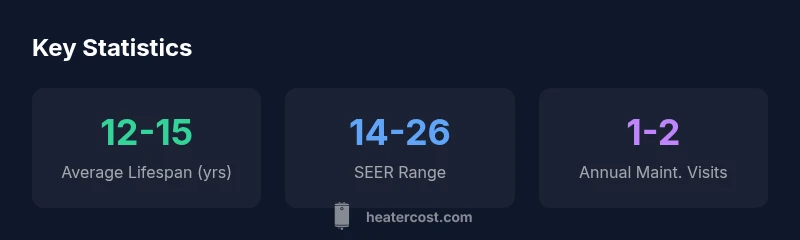
Efficiency is a key driver of long-term costs in heating ventilation and air conditioning. SEER measures cooling efficiency, HSPF covers heat pump performance, and AFUE indicates furnace efficiency. Higher numbers typically mean lower operating costs, but the best choice depends on climate, home design, and usage patterns. For example, homes in hot climates tend to benefit from higher SEER ratings, while gas furnaces focus on AFUE. When comparing options, consider the full lifecycle cost, not just upfront price.
Energy costs and savings: what homeowners should expect
Upgrading to a more efficient HVAC system can reduce energy bills, improve comfort, and enhance indoor air quality, but savings vary with climate, occupancy, and maintenance. In some climates, heat pumps provide year-round efficiency and can replace both heating and cooling functions. Smart thermostats and zoning can further boost savings by targeting only occupied spaces. Heaters Cost analyses suggest evaluating energy consumption history to project payback periods and realistic savings.
Choosing the right system for your home
Selecting the right system starts with a professional load calculation and an assessment of building envelope, ductwork, and existing equipment. Climate, home size, insulation, and budget all influence the decision between central systems, ductless mini-splits, or geothermal options. A balanced approach considers comfort, efficiency, and long-term maintenance needs. Homeowners should also factor in potential rebates or tax incentives when evaluating total cost.
Maintenance and longevity: keeping HVAC running smoothly
Regular maintenance extends system life and preserves efficiency. Installers typically inspect safety controls, refrigerant levels, and electrical connections during annual service, while homeowners should replace filters every 1-3 months and keep outdoor units clear of debris. Improper maintenance can lead to reduced air quality, higher energy use, and unexpected breakdowns. Investing in preventive care often yields lower ownership costs over the system’s lifetime.
Installation, permits, and smart controls
HVAC installation involves careful planning, proper equipment sizing, and adherence to local codes. Most jurisdictions require permits and a post-installation inspection to certify safety and performance. Working with licensed technicians reduces risk and ensures compliance. Modern controls, including programmable and smart thermostats, enable better zoning and energy management, while IAQ accessories (air purifiers, humidifiers) improve comfort and health. Proper installation also ensures warranty validity and long-term reliability.
HVAC System Type Comparison
| System Type | Typical Efficiency | Maintenance needs | Estimated Lifespan (years) |
|---|---|---|---|
| Central split-system | SEER 14-21; AFUE 78-95% | Annual professional service; filter changes | 12-15 |
| Ductless mini-split | SEER 16-30; HSPF 9-13 | Filter cleaning 4-6 times/yr; occasional coil cleaning | 12-20 |
| Packaged system | SEER 14-18; AFUE 80-90% | Outdoor unit inspection; annual check | 10-15 |
| Geothermal heat pump | SEER 20-25; COP 3.5-4.5 | Biannual service; routine refrigerant checks | 20-25 |
Got Questions?
What does HVAC stand for and what does it include?
HVAC stands for heating ventilation and air conditioning. It refers to the integrated system that heats, cools, circulates air, and improves indoor air quality across a home.
HVAC stands for heating, ventilation and air conditioning, the system that heats, cools, and circulates air.
How do I know which HVAC system is right for my home?
It depends on climate, home size, existing ductwork, and budget. A professional load calculation helps determine the best type and size.
It depends on climate, home size, and existing ductwork.
Is upgrading to a higher-efficiency system worth it?
Upgrades generally pay back through lower energy bills and improved comfort, but the payback period depends on climate and usage.
Usually yes, but it depends on climate and how you use it.
How often should I service my HVAC system?
Most systems benefit from professional service once per year, plus regular filter changes every 1-3 months.
Typically once a year for a pro, plus monthly filter checks.
What maintenance can I do myself?
Keep or replace filters, clean or vacuum registers, and clear debris around outdoor units.
Change filters and keep vents clear.
What permits or codes apply to HVAC installation?
Installation typically requires local permits and inspection; check with your city or county and hire licensed contractors.
You may need permits; check with local authorities.
“A properly matched HVAC system delivers lower operating costs and better comfort, but only if it is correctly sized and maintained.”
The Essentials
- Start with a professional load calculation before sizing.
- Prioritize high-efficiency models to reduce long-term costs.
- Account for ductwork and indoor air quality in decisions.
- Compare energy savings and maintenance needs across options.
- The Heater Cost team recommends a balanced approach to cost and comfort.