Heating and Cooling Units: The Comprehensive Buying Guide
An in-depth guide to heating and cooling units, covering types, efficiency metrics, climate considerations, installation, maintenance, and cost-saving strategies for homeowners, renters, and property managers.


Heating and cooling units refer to the integrated systems that regulate indoor temperature and humidity in homes, including central air conditioners, furnaces, heat pumps, and ductless mini-splits. The right combination balances comfort, energy efficiency, and total ownership costs. This article helps homeowners evaluate options, compare installed costs, and plan for reliable performance across seasons.
How heating and cooling units work
Heating and cooling units are the backbone of indoor climate control. In most homes, a central system bundles an outdoor condenser, a furnace or air handler, and a duct network to distribute conditioned air. Heat pumps can both heat and cool by moving heat rather than generating it, while air conditioners remove heat from indoors to the outdoors. Ductless mini-split systems offer zone-based cooling and heating without ductwork. The efficiency of these systems is measured with ratings such as SEER for cooling and AFUE for fuel-fired furnaces. Thermostats and smart controls regulate operation, turning equipment on or off based on occupancy, temperature setpoints, and energy-saving schedules. The right combination balances comfort with energy use, and the lifecycle cost depends on equipment type, climate, home insulation, and maintenance habits. As part of a home upgrade, installers typically assess insulation, duct sealing, and ventilation to maximize performance. According to Heater Cost, the lifetime cost of heating and cooling units often dwarfs the upfront price, underscoring the importance of efficiency and reliability.
Types of heating and cooling units and how to choose
There are several core categories to consider:
- Central air conditioning (AC) systems, which circulate cooled air through ducts and vents.
- Heat pumps (air-source or ground-source), which extract heat from the outside air or ground to heat indoors and reverse for cooling.
- Furnaces (gas, electric, or dual-fuel), which generate warm air that is distributed by ducts.
- Boilers and hydronic systems, which heat water to circulate through radiators or radiant floors.
- Ductless mini-splits, offering targeted heating and cooling without ductwork.
When choosing, evaluate climate goals, home layout, existing ducts, and noise tolerance. Larger homes or multi-zone layouts often benefit from ducted systems, while retrofits or additions may suit ductless setups. Size and placement matter: an oversized unit wastes energy and creates humidity swings; an undersized unit struggles during peak seasons. Practical testing and load calculations by a qualified pro ensure you select a system that fits your home’s heat load, humidity targets, and comfort preferences. Budget, lifestyle, and future plans (like evolving insulation) should guide your decision.
Efficiency and energy ratings explained
Efficiency matters more than upfront price because it governs long-term operating costs and comfort. Cooling efficiency is expressed as SEER (Seasonal Energy Efficiency Ratio) and EER (Energy Efficiency Ratio) for peak performance, while heating efficiency uses AFUE (Annual Fuel Utilization Efficiency) for furnaces and boilers, and HSPF (Heating Seasonal Performance Factor) for heat pumps. Higher SEER or AFUE values translate to lower energy bills but often come with higher upfront costs. Modern heat pumps with high SEER and HSPF ratings perform well in mild to moderately cold climates, and newer models are increasingly capable in colder weather due to improved refrigerants and compressor technology. When reviewing specs, compare units at similar outdoor temperatures, consider climate, and factor in duct efficiency. Smart thermostats and zoning can enhance the real-world benefits of efficiency by tailoring load management and occupancy-based operation.
Climate fit: choosing by climate and home design
Climate plays a pivotal role in determining the best heating and cooling unit. In hot or humid regions, central AC with a high SEER rating is often a priority, paired with proper insulation and duct sealing. In cold climates, a high-efficiency furnace or a cold-climate heat pump can provide reliable heating with lower energy waste. In mixed climates, a heat pump with a fossil-fuel backup (dual-fuel system) can offer year-round comfort and resilience. For homes with limited ductwork or retrofit projects, ductless mini-splits provide flexible zoning and energy efficiency without extensive renovations. Home design factors—such as ceiling height, window placement, insulation levels, and building envelope integrity—also influence the choice. A detailed load calculation, performed by an HVAC professional, will quantify how different units perform under seasonal conditions.
Installation considerations and common pitfalls
Professional installation is essential for safety, efficiency, and warranty coverage. Key steps include verifying electrical service, sizing equipment, inspecting ductwork, and ensuring proper refrigerant charging. Permits may be required by local jurisdictions, especially for retrofit or new construction projects. Common pitfalls include undersizing or oversizing equipment, leaky ducts, improper thermostat programming, and insufficient condensate drainage. A quality installation should also include air sealing and insulation improvements to maximize the system’s rated efficiency. Discuss maintenance access and future upgrades with your installer; a well-planned take-off sequence helps prevent project delays and ensures the system performs as intended from day one.
Maintenance, service life, and replacement timing
Regular maintenance protects performance and longevity. Schedule annual inspections for heat pumps, furnaces, and boilers, including filter replacements, coil cleaning, duct sealing checks, and refrigerant Level verifications where applicable. Replacing worn-out components early reduces the risk of sudden failures and costly repairs. The decision to replace rather than repair depends on the unit’s age, repair frequency, and the cost of major components. Keeping up with routine maintenance often extends a system’s life and sustains efficiency. Homeowners should track seasonal energy bills and compare them to baseline usage to identify performance declines before they become noticeable.
Smart controls, zoning, and future-proofing
Smart thermostats and zone controls enable more precise temperature management, enabling you to direct cooling and heating where it’s needed most. Zoning is especially valuable in multi-story homes or spaces with varying occupancy patterns. When selecting a system, consider compatibility with energy dashboards, mobile apps, and voice assistants, as well as the availability of remote diagnostics from manufacturers or contractors. Future-proofing includes choosing systems with widely supported refrigerants, modular components for easier upgrades, and service plans that cover routine maintenance and parts replacement. A proactive approach to upgrades can help you avoid retrofits that disrupt living spaces later.
Cost considerations and savings strategies
Total cost of ownership includes purchase price, installation, energy consumption, maintenance, and potential rebates or tax credits. While the upfront price varies by unit type and home complexity, the long-term savings accrue from efficiency and proper sizing. To optimize costs, compare models with similar efficiency ratings, negotiate bundled installation packages, and inquire about preventive maintenance plans. Consider a phased approach: upgrade insulation and sealing first to improve overall system performance, then install or replace the HVAC unit. Remember that the cheapest option may not deliver the best long-term value if it lacks efficiency or is ill-suited for your climate.
Comparison of heating and cooling unit types
| Unit Type | Typical Efficiency Range | Best Climate & Home Type | Upfront Cost (range) | Maintenance Notes |
|---|---|---|---|---|
| Central Air Conditioning | SEER 14-26 | Moderate to hot climates with ducts | $3,000–$12,000 | Annual filter changes; duct sealing helps performance |
| Heat Pump (Air-Source) | SEER 14-40; HSPF 7-14 | Mild to hot climates; can work in cold with newer models | $4,000–$16,000 | Coil and refrigerant checks; efficient defrost cycles |
| Furnace (Gas) | AFUE 80–98.5% | Cold climates; existing ductwork typically present | $3,000–$10,000 | Annual combustion safety checks; venting inspection |
| Boiler (Hydronic) | AFUE 80–88% | Cold climates; radiant heating preference | $5,000–$12,000 | Water treatment and boiler maintenance |
| Ductless Mini-Split | SEER 17-34 | Retrofitting or multi-zone homes | $3,000–$14,000 | Outdoor unit placement and refrigerant lines insulation |
Got Questions?
Do I need a new HVAC system to improve efficiency?
Upgrading to a higher-efficiency model, sealing ducts, and improving insulation can yield meaningful savings without a full replacement. A professional assessment helps determine whether repair or replacement is the better option.
Often you can improve efficiency with better insulation, duct sealing, and a more efficient unit. A quick assessment from an HVAC professional clarifies if replacement is needed.
What’s the best time to replace an old system?
If the system is aging, repeatedly failing, or costing more in repairs than a new installation, replacing during mild weather can reduce downtime and make scheduling easier.
If it’s unreliable or costly to repair, replacing in mild weather minimizes disruption.
Are ductless mini-splits worth it for retrofits?
Yes, especially in homes without existing ducts or where zoning is a priority. They offer flexibility and efficiency, though installation costs can be higher per zone.
Ductless systems are great for retrofits and zoning, though costs per zone vary.
How long does installation typically take?
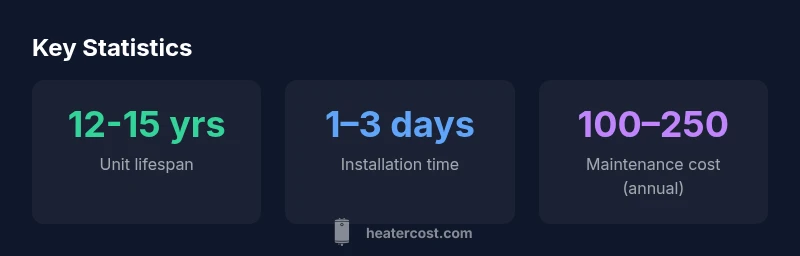
Most residential installs occur over 1–3 days depending on system type, existing ductwork, and permitting requirements. A detailed plan helps set expectations.
Most installs finish within a few days, depending on ductwork and permits.
What maintenance can I do myself?
Regular filter replacement, exterior coil cleaning, and keeping vents clear are common DIY tasks. Schedule professional checkups annually for safety and efficiency.
You can change filters and keep vents clean; have a pro inspect yearly.
“Choosing the right heating and cooling unit isn't only about upfront price. It's about the total cost of ownership, energy efficiency, and how well the system fits your home's design.”
The Essentials
- Prioritize energy efficiency to lower lifetime costs
- Match unit type to climate and home design
- Get a professional load calculation for proper sizing
- Factor in ductwork and insulation during planning
- Use smart controls to maximize savings