Can You Put a Heater in the Garage? A Practical Guide
Discover if you can install a garage heater, plus safety, permits, installation tips, and cost considerations. This Heater Cost guide covers types, venting, CO safety, and maintenance for homeowners, renters, and managers.


Many homeowners ask can you put heater in garage, and the answer depends on safety, venting, and local codes. A garage heater should minimize ignition risks, provide proper ventilation, and include CO monitoring. This step-by-step guide outlines safe options, permit considerations, and maintenance practices to keep spaces warm without compromising safety.
Can a Garage Be Heated Safely? The Core Considerations
Installing a heater in a garage is common, but it requires careful planning. Garages contain flammable vapors, vehicles, and limited ventilation, which increase fire and explosion risk if unsafe heaters are used. Always verify that your chosen heater type is rated for garage use and that you follow local building codes. The key questions to answer early are: What space are you heating? What heat source is permitted in your area? And what safety devices (like CO detectors and proper venting) are required? Heater Cost’s guidance emphasizes safety first, so you avoid costly mistakes and ensure reliable warmth for the space you use for parking, projects, or storage. The phrase can you put heater in garage surfaces repeatedly reminds homeowners to check code requirements before purchasing a device. For most setups, electric or infrared solutions with clear clearances are preferred in enclosed garages.
Can a Garage Be Heated Safely? The Core Considerations
Note: This section emphasizes safe device choices, ventilation, and code awareness to reduce risk.
Tools & Materials
- Stud finder(Locate framing to anchor mounting brackets safely)
- Drill with assorted bits(For pilot holes and mounting hardware)
- Screwdriver set(Phillips and flathead for mounting and covers)
- Voltage tester / multimeter(Power off verification and circuit testing)
- Electrical conduit or approved cable clamps(Code-compliant protection for wiring)
- CO detector(s)(Place near the heater and sleeping areas)
- Mounting brackets and fasteners(Ensure hardware is rated for heater weight)
- Fire-rated sealant or heat shield material(Optional for extra clearance from combustibles)
Steps
Estimated time: 3-6 hours
- 1
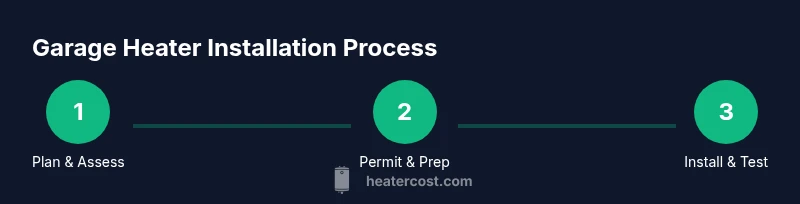
Assess space and pick a heater type
Measure the garage area and identify any ventilation constraints. Decide between electric infrared or other garage-rated options. Consider future uses of the space and the heater’s safety certifications.
Tip: Document local code requirements before selecting equipment; this saves time with permits. - 2
Check permits and guidelines
Consult your city or county rules to determine if a permit is required for electrical work or gas connections. Even if a permit isn’t needed, ensure the installation meets ventilation and clearance standards.
Tip: If in doubt, contact a licensed professional to confirm permit needs. - 3
Prepare mounting location and clearances
Choose a wall or ceiling location with ample clearance from vehicles and storage. Mark stud lines and use a stud finder to verify solid mounting points. Ensure the space around the heater remains free of flammable materials.
Tip: Maintain at least the recommended clearance from combustibles and keep the unit away from oil, paints, or solvents. - 4
Run wiring or gas connections safely
Follow the heater’s installation manual for wiring routes or gas lines. Use approved conduit and maintain proper clearances from the fuel source. If running gas lines, this step should be handled by a licensed pro.
Tip: Never bypass electrical safety features or vent improperly—this creates serious hazards. - 5
Mount the heater securely
Attach mounting brackets to the studs, then secure the heater per the manufacturer’s instructions. Double-check alignment and ensure the unit is level. Install any protective shielding or heat-resistant barriers if recommended.
Tip: Use a level during mounting to prevent vibration and noise over time. - 6
Install safety devices and test
Install CO detectors at appropriate heights and test them. Power on the heater and check for proper ignition, airflow, and thermostat response. Verify that ventilation remains unobstructed during operation.
Tip: Test detectors monthly and replace batteries annually or as recommended. - 7
Evaluate operating costs and comfort
Run the heater for a short period and observe heat distribution, thermostat accuracy, and any drafts. Compare the experience against expected comfort levels and make adjustments as needed.
Tip: Consider zoning or programmable controls to optimize energy use and comfort.
Got Questions?
Is it legal to install a heater in a residential garage?
In many areas you can install a garage heater, provided you follow local codes, obtain any required permits, and install with proper ventilation and CO monitoring.
You can install a garage heater in many places if you follow local codes and install safety features.
What type of heater is best for a typical attached garage?
Electric infrared heaters are common for attached garages due to simpler venting and installation, but consider the space, climate, and power availability.
Electric infrared is a popular choice for many garages, depending on space and power.
Do I need a CO detector if I install an electric heater?
CO detectors are recommended near any combustion source; if you install a gas or propane heater, detectors become essential.
Yes, install CO detectors if you have any combustion-based heater, and place them near the heater and sleeping areas.
Are permits required for garage heater installation?
Permit requirements vary by location. Check with local building departments; even without a permit, follow safety guidelines and install according to code.
Check your local rules; some places require permits while others do not for electrical work.
Can I install a heater myself or should I hire a pro?
Small electric heaters can be DIY, but for gas lines or complex electrical work, hire a licensed professional to ensure safety and compliance.
For complex setups, use a professional to stay safe and compliant.
What maintenance does a garage heater typically require?
Regularly inspect vents, test safety devices, clean dust, and schedule annual checks for gas or combustible-fuel heaters.
Keep vents clean and test safety devices yearly.
Watch Video
The Essentials
- Plan space, permits, and safety before buying a heater
- Choose garage-rated heaters with proper venting and CO protection
- Hire pros for electrical or gas work when required
- Maintain clearances and test safety devices regularly