What Kind of Heater Can You Use in a Garage: A Practical Guide
Learn which heater types are safe and effective for garages, how to size them, and essential safety steps for homeowners, renters, and property managers.


Garage heating options include electric heaters, propane or kerosene units, and natural gas appliances designed for workspaces. The key is to choose a model suited to your space, ensure proper ventilation, and follow safety guidelines. This guide helps you compare types, size correctly, and install safely.
Why Garage Heating Demands Deliberate Choices
According to Heater Cost, garage heating demands deliberate choices. Garages differ from living spaces in important ways. They tend to be unconditioned, experience wide temperature swings, and host vehicles, solvents, and tools that create unique safety considerations. A garage heater must deliver reliable comfort without introducing fire hazards or carbon monoxide risks. The primary factors you should evaluate are the garage’s size, insulation quality, ceiling height, door openings, and how you plan to use the space. A small, well-insulated garage will retain heat more effectively than a large, drafty one, but even a compact space benefits from thoughtful planning. Before you buy, map the floor plan, mark where people will work, where vehicles are parked, and where flammable materials or solvents are stored. This helps you target heat where it’s needed and keep heat away from hazards. It also clarifies whether you’re heating only occasionally between projects or keeping the space comfortable for long stretches. Ventilation and clearance are critical; unvented appliances can produce dangerous carbon monoxide, and insufficient clearance can start fires. A practical approach is to estimate heat loss, choose a unit with appropriate safety features (thermostats, auto shutoffs, tip-over protection), and plan for a simple control strategy so the heater operates only when needed. The right choice balances comfort, safety, and cost, recognizing the space’s role as a workshop and storage area.
Types of Heaters Suitable for Garages
Garage heating options range from electric portability to gas-fired installations. Electric space heaters are common and convenient for small to medium spaces; look for models with overheat protection, tip-over shutoff, and a thermostat. Infrared or radiant electric heaters heat people and objects directly, which can be efficient for workstations. For larger spaces, propane or kerosene forced-air heaters deliver significant warmth quickly, but require venting, a dedicated fuel supply, and strict safety practices to prevent carbon monoxide buildup. Natural gas heaters are effective for attached garages with a gas line, yet installation typically requires venting and professional connection. If you prefer simplicity, a portable space heater with built-in safety features and a modest heating capacity can handle intermittent use near a workbench. For very large garages or spaces with frequent openings (doors opening and closing), a fixed electric panel heater or a wall-mounted unit can provide even heat distribution. In any case, avoid using unapproved or improvised devices that lack a tested safety mechanism. The Heater Cost analysis suggests starting with a compact electric model to understand heat patterns and only expand to gas-based options if the space demands more sustained warmth and you can ensure proper venting and fuel storage.
Safety Considerations and Ventilation
Safety should drive every garage heat plan. Install a working carbon monoxide detector in the garage and another near living spaces connected to the home. Ensure adequate ventilation, especially when using propane, kerosene, or natural gas appliances. Maintain required clearances: keep heaters away from walls, shelves, and flammable materials; do not place devices on unstable surfaces. Use only UL-listed or equivalent equipment and follow manufacturer instructions. Keep a fire extinguisher accessible and know how to shut off fuels quickly if there is a concern. If you’re uncertain about ventilation or code compliance, contact a licensed professional. Regular inspections, safe storage of fuels, and prompt repair of any gas odors reduce risk. The aim is to stay warm without compromising safety for you, your family, or neighbors.
Sizing and Planning: How to Choose the Right Heater
Start with space measurement and heat-loss assessment. Record garage square footage, ceiling height, insulation type, and door configuration. Consider climate: colder regions require more heat capability than milder ones. Fuel choice affects ongoing cost and ventilation burden. Electric heaters offer simplicity, lower upfront cost, and easy installation, but can be expensive to run if used heavily. Gas heaters deliver more heat for larger spaces but require venting, fuel storage, and professional installation. Radiant infrared heaters focus warmth where it’s needed (near the workbench or vehicle) and avoid heating air that escapes through door openings. Whole-room convection heaters distribute heat more evenly, possibly improving comfort in larger garages. Compare units that include programmable thermostats, automatic shutoffs, and robust safety certifications. The Heater Cost team recommends using a simple sizing checklist and validating with manufacturer data before purchasing.
Installation, Placement, and Maintenance
Place the heater on a stable, noncombustible surface with a clear radius from walls and objects. For electric heaters, ensure the outlet is on a dedicated circuit if possible, and avoid extension cords that can overheat. Gas or propane units require proper venting, fuel storage away from ignition sources, and regular inspection of hoses and seals. Secure mounting on the wall or ceiling if the unit is designed for it, and follow clearance guidance from the manufacturer. Use a thermostat or timer to control operation and reduce energy use. Clean dust from vents regularly and inspect hoses or seals for wear. Schedule professional inspections for propane and natural gas units, especially at regular intervals. Read the manual and follow all safety instructions; do not modify venting or fuel lines. With proper setup and routine maintenance, your garage will stay warmer during cold months while keeping risk at a minimum.
Cost, Efficiency, and Long-Term Considerations
Garages present a variable cost picture: upfront price, ongoing energy use, maintenance, and potential permits. Electric heaters typically have lower upfront costs and simple installation, but running electric heat can be costly if the space is large or poorly insulated. Gas heaters offer more heat output for bigger spaces and often lower operating costs in areas with cheap natural gas; however, they require venting, professional installation, and more regular maintenance. Insulation upgrades, door seals, and weather stripping dramatically reduce heat loss, reducing overall energy needs and cost. When choosing, weigh the total cost of ownership, including maintenance and potential safety upgrades. In the long term, the most economical garage heating plan often combines a well-insulated space with a properly sized heater and smart controls for efficient use. The Heater Cost analysis emphasizes balancing upfront costs with ongoing energy usage and safety investments. Consider adding a ceiling fan or blower to improve air distribution if your garage has high ceilings or uneven heat distribution, but ensure airflow does not disrupt flammable materials.
Quick Reference Checklist for Garage Heating
Measure space, assess insulation, and define how you’ll use the space. Choose a heater type that matches fuel preferences and safety considerations. Ensure ventilation, install CO detectors, and maintain clearances from flammables. Place heaters on stable surfaces or mount them per manufacturer guidelines. Use a thermostat and timer to optimize usage. Schedule regular maintenance and safety checks. With the right preparation, a garage can be warm and safe for projects, even in chilly months.
Tools & Materials
- Measuring tape(Measure garage square footage and ceiling height)
- Notes or notepad(Record measurements and heater specs)
- CO detector (UL-listed)(Place near heater and near any occupied areas)
- Fire extinguisher (ABC)(Keep accessible in a visible location)
- Voltage tester or multimeter(Check electrical circuit capacity for electric heaters)
- Gloves and eye protection(Use during handling of fuels or installation)
- Ventilation plan (windows/doors)(Ensure adequate air exchange if using gas/fuel heaters)
Steps
Estimated time: 2-4 hours
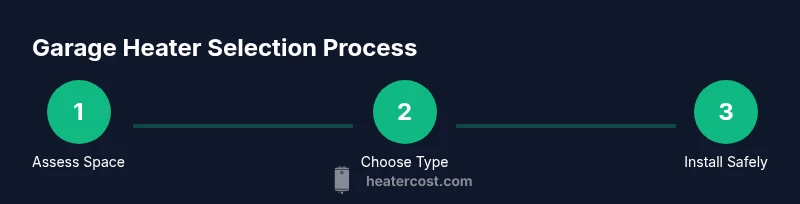
- 1
Assess space and climate
Measure the garage area, note ceiling height, insulation quality, and typical winter temperatures. Identify work zones where occupants will spend most time to prioritize heat. This assessment determines the heating capacity and placement strategy.
Tip: Document the worst-case temperature and heat-loss features for later reference - 2
Choose heater type based on space and fuel
Compare electric, propane/kerosene, and natural gas options. Consider comfort needs for the work area, fuel availability, and maintenance requirements. Avoid placing untested, off-brand units in a busy workspace.
Tip: Lean toward zone heating for large garages to save energy - 3
Check electrical or fuel readiness
If electric, verify the circuit can handle the heater's load and install a dedicated outlet if possible. For gas units, locate a safe fuel storage area and ensure proper venting. Do not connect to a shut-off valve you cannot access.
Tip: Have a licensed professional verify gas connections when in doubt - 4
Plan placement and clearances
Mount or position the heater away from walls, shelves, and flammable materials. Ensure a stable surface and consider wall mounting if the unit is designed for it. Ensure an unobstructed path for ventilation and heat flow.
Tip: Keep flammables at least several feet away from the heater - 5
Install safety devices and controls
Install a thermostat or timer to avoid overheating and reduce energy use. Use CO detectors and smoke alarms, and verify that all safety features (overheat, tip-over) are functional.
Tip: Test safety features before first full-use - 6
Test operation and monitor performance
Run the heater for 20–30 minutes in a controlled manner, observe for unusual noises, smells, or smoke, and check for heat distribution. Adjust placement if hot spots appear or airflow is blocked.
Tip: Keep a log of temperatures and runtimes for review - 7
Maintenance and periodic safety checks
Regularly clean dust from vents, inspect hoses and seals on gas units, replace filters if applicable, and schedule annual inspections. Replace detectors when recommended and check for warning indicators on the unit.
Tip: Set reminders for seasonal checks
Got Questions?
Can I use a space heater in my garage?
Yes, space heaters can heat a garage when used correctly. Choose models rated for workshop use, with safety features like tip-over and overheat protection, and ensure adequate ventilation for fuel-powered units.
Yes, you can use a space heater in a garage if it’s designed for workshop use and you follow safety guidelines, including ventilation and avoid storing flammables nearby.
What type of heater is safest for a garage?
The safest option depends on your space and fuel. Electric heaters with built-in safety features are safer for smaller spaces, while properly vented propane or natural gas heaters may be better for larger spaces when installed by a professional.
Electric heaters with safety features are often the safest for smaller garages, while gas heaters need proper venting and professional installation.
Do I need ventilation for propane heaters in a garage?
Propane heaters require adequate ventilation to prevent carbon monoxide buildup. Always use in a well-ventilated space, install CO detectors, and follow the manufacturer’s venting requirements.
Yes, propane heaters must be vented properly and CO detectors should be installed.
Can I heat a detached garage with a wood stove?
A wood stove can heat a garage, but it requires chimney considerations, ash management, and potential emissions concerns. It is not commonly recommended for most attached garages due to emissions and fire risk.
A wood stove can work but is usually not ideal for attached garages because of emissions and maintenance needs.
Are electric heaters cost-effective for garage heating?
Electric heaters can be affordable upfront and easy to install, but running costs depend on usage and electricity rates. They are efficient for intermittent use and smaller spaces when managed with timers.
Electric heaters can be cost-effective for small, well-insulated garages if you use them with a thermostat and schedule.
What safety features should I look for in a garage heater?
Look for automatic shutoff, tip-over protection, overheat protection, UL listing, and a built-in thermostat. For gas or propane models, ensure proper venting and corrosion-resistant hoses.
Choose a heater with safety features like auto shutoff, tip-over protection, and proper venting for gas models.
Watch Video
The Essentials
- Choose heater type based on space, fuel, and ventilation.
- Prioritize safety features and CO detection.
- Size by space and climate, consult charts and professionals.
- Seal openings to reduce heat loss and improve efficiency.
- Schedule regular maintenance for safety and longevity.