How to Install a Heater Switch
Learn how to install a heater switch safely and correctly with our step-by-step guide. We cover selecting the right switch, essential tools, wiring basics, testing, and safety tips for a reliable, code-compliant installation.


Learn how to install a heater switch safely and effectively. You will identify the right switch type, shut off power, connect the wiring, and test the circuit. This step-by-step guide covers wiring basics, tool lists, safety practices, and post-install checks for common heater configurations. Whether replacing an old switch or adding a smart controller, this guide helps ensure correct voltage compatibility, secure mounting, and code-compliant installation.
Safety and Planning
According to Heater Cost, the first and most important step in installing a heater switch is safety. Before touching any wires, shut off power at the main panel and verify there is no voltage at the switch location using a non-contact tester or a multimeter. Wear proper personal protective equipment, such as insulated gloves and safety glasses, and keep the work area dry to reduce shock risk. Check local codes or HOA rules; some jurisdictions require a permit or a licensed electrician for certain installations. If you feel unsure at any point, stop and consult a professional. Taking these precautions protects you and minimizes the chance of equipment damage. The Heater Cost team found that most residential heater switch projects proceed smoothly when you take time to plan, label wires, and confirm voltage compatibility with the new device. A well-planned install also helps you avoid rewiring mistakes and ensures the switch fits properly in its electrical box.
Understanding Wiring Basics for a Heater Switch
A heater switch is typically a simple control device that interrupts the hot conductor to the heater. In a basic setup, the “line” (the hot feed from the circuit breaker) connects to one terminal on the switch, and the “load” (the wire going to the heater) connects to the other terminal. Ground wires should be bonded to the switch ground screw if present. Neutral conductors usually remain uninterrupted in most single-pole switch configurations. If you encounter a 3-way switch, a smart switch, or a complex thermostat integration, follow the manufacturer’s wiring diagram precisely. Always confirm that the switch is rated for your circuit’s voltage and current load. For safety and reliability, never connect a high-wattage heater to a switch not designed to handle the load, and avoid relying on improvisation in lieu of proper wiring practices.
Choosing the Right Switch for Your Heater
Select a switch type that matches your heating system and how you intend to control it. A standard single-pole switch is common for simple on/off control on 120-volt circuits. A 3-way switch is needed if you want control from two different locations. For modern homes, a smart thermostat or smart switch can provide scheduling, remote control, and energy reporting, but these devices require compatible wiring and often a neutral wire. If your heater is part of a forced-air furnace or a dedicated heater circuit, ensure the switch terminal configuration matches the wiring harness and that the device is UL-listed for appliance control. When in doubt, compare the switch’s amperage rating to the heater’s load and choose a device with a comfortable safety margin.
Tools, Materials, and Prep
Before you begin the physical work, gather the necessary tools and materials. Having everything on hand reduces interruptions and helps you stay organized. Verify that the new switch matches the existing mounting box size and that the electrical box has enough space for the wiring. If you’re upgrading to a smart switch, ensure you have a compatible hub or network setup. Prepare replacement screws and a clean work surface to keep components protected. Finally, have a plan for testing after installation: you’ll re-energize the circuit, test the switch operation, and verify that the heater responds correctly.
Step-by-Step Installation Overview
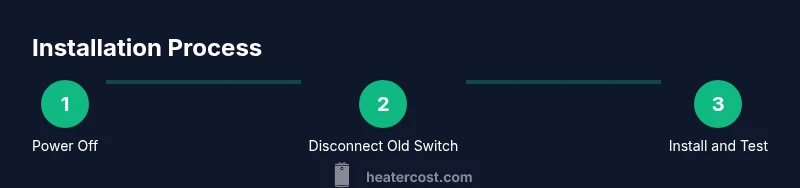
In this section, we outline the key stages of the actual installation process. The goal is to provide a clear roadmap without duplicating the detailed steps in the STEP-BY-STEP block. Start by confirming power is off and removing the faceplate. Next, document wire positions, disconnect the old switch, and prepare wires for the new device. Attach the line and load wires to the correct terminals on the new switch, secure the ground, and mount the device in the box. Finally, reattach the plate, restore power, and test the heater control for correct operation and safety.
Testing and Troubleshooting
Testing is critical to confirm a safe and functional installation. With power restored, test the switch in both ON and OFF positions to ensure the heater responds accordingly. If the heater does not respond, double-check that the line and load wires are on the correct terminals and that the ground is properly connected. Use a voltage tester at each connection point to verify continuity and proper voltage levels. If you encounter flickering lights, a warm switch plate, or any burning smell, immediately shut off power and consult a licensed electrician. Keep a log of any issues and steps taken for future reference.
Maintenance and Safety After Installation
Post-installation maintenance helps ensure reliability. Regularly inspect the switch and wiring for signs of wear, looseness, or chafing. Keep the switch area clean and free from dust. If you install a smart switch, check for firmware updates and confirm that the device remains connected to the network. Consider labeling the circuit clearly on your panel so future maintenance or upgrades are straightforward. Finally, schedule periodic checks, especially after home renovations or wiring changes, to maintain safety and performance.
Common Mistakes to Avoid
Avoid common pitfalls that can compromise safety or performance. Don’t skip power testing or assume the old wiring is compatible with a new device. Avoid over-tightening terminal screws, which can damage conductors. Do not conceal wiring behind clutter or behind insulation beyond the box’s depth. Lastly, never work on live circuits and never replace a heater switch with a device not rated for the heater’s current. Planning ahead and following manufacturer instructions minimizes errors and supports code compliance.
Tools & Materials
- Non-contact voltage tester(Verify power is off at the switch location.)
- Screwdriver set (flathead and Phillips)(For removing faceplate and securing terminals.)
- Wire stripper/culler(Prep wires to fit terminals without nicking conductors.)
- Needle-nose pliers(Bend and position wires as needed.)
- Electrical tape(Wrap exposed conductors and bundle wires neatly.)
- Voltage tester / multimeter(Confirm voltage and continuity between connections.)
- Replacement heater switch (UL-listed)(Ensure amperage rating matches heater load.)
- Grounding screw and box cover(Maintain proper grounding and safety.)
- Marker or label tape(Label wires and circuit for future reference.)
Steps
Estimated time: 30-60 minutes
- 1
Power down at the main panel
Begin by turning off the circuit breaker that feeds the heater circuit. Use a non-contact tester to confirm there is no voltage at the switch box. This initial safety step prevents shocks and protects the equipment.
Tip: Always test both the line and load wires before touching them. - 2
Remove faceplate and old switch
Carefully remove the faceplate, then unscrew and detach the old switch from the electrical box. Take note of which wires are connected to which terminals and label as needed to avoid mix-ups during reassembly.
Tip: Take a photo of the wiring before disconnecting to reference later. - 3
Verify wires and plan new connections
Inspect the existing conductors for damage. Confirm you have a line (hot) and load running to the heater. If a neutral or ground differs from a standard single-pole setup, consult the switch’s wiring diagram and plan for proper connections.
Tip: If your box is full, you may need a larger box or extra clamp space. - 4
Connect line, load, and ground to new switch
Attach the line wire to the switch’s common terminal and the load wire to the other terminal. Attach the ground wire to the green grounding screw. For smart switches, connect the neutral if required by the device.
Tip: Hand tighten terminals securely but avoid overtightening. - 5
Secure switch in box and mount plate
Carefully push the wires back into the box, mount the switch, and attach the faceplate. Ensure the device sits flush and there are no loose wires.
Tip: Check that screws aren’t pre-stripped or cross-threaded. - 6
Restore power and perform a test
Turn the circuit back on at the panel. Test the switch in both ON and OFF positions to verify the heater reacts accordingly. If it does not, recheck wire positions and tighten connections.
Tip: Keep a safe distance and test without touching exposed conductors. - 7
Check for heat and signs of distress
Feel for any unusual warmth at the switch plate after operation and inspect wires for discoloration. If anything feels hot or smells burnt, shut off power immediately and re-evaluate the installation.
Tip: Use a thermal indicator if available to spot hotspots early. - 8
Document and label the installation
Record the device type, amperage rating, and location in your home records. Label the circuit on your breaker panel for future maintenance or upgrades.
Tip: A documented installation saves time during future repairs or inspections. - 9
Plan for future upgrades
If you anticipate upgrading to a smart thermostat or integrating with a furnace, review compatibility requirements and potentially hire a licensed electrician for safety and code compliance.
Tip: Avoid retrofitting complex setups without professional guidance.
Got Questions?
Do I need an electrician to install a heater switch?
For simple, single-pole installations on standard 120-volt circuits, a confident DIYer can proceed safely with adherence to local codes. More complex setups, including 240-volt circuits, multi-location controls, or smart switches requiring a neutral, may require a licensed electrician.
For straightforward installs, DIY is possible if you follow safety steps and local codes; for complex setups, hire an electrician.
Can I install a smart thermostat as a heater switch?
Smart thermostats can control heating, but wiring requirements vary. Check that your circuit provides a neutral and compatible wiring to support the device's power and communication needs. If unsure, consult the installation guide or a professional.
Smart thermostats can work, but verify neutral availability and compatibility first.
What tools do I need for installing a heater switch?
Common tools include a screwdriver, wire stripper, non-contact voltage tester, needle-nose pliers, and electrical tape. Having these handy helps you perform the install cleanly and safely.
Have a screwdriver, wire stripper, tester, pliers, and tape ready.
How do I identify line and load wires?
Line wires bring power from the panel, while load wires go to the heater. If uncertain, label wires as you disconnect them and refer to the switch’s diagram or manufacturer instructions.
Label wires as you disconnect them, and consult the diagram if unsure.
Watch Video
The Essentials
- Plan safety first before touching any wiring.
- Identify line, load, and ground correctly to avoid miswiring.
- Choose a switch that matches your heater load and control needs.
- Test thoroughly after installation and document the setup.
- When in doubt, consult a licensed electrician or local code.