How to Install Heater: A Step-by-Step Guide for Homeowners
Learn how to install a heater safely and efficiently, with step-by-step guidance, safety checks, and maintenance tips for electric and gas options. Includes permits, site prep, and professional best practices.


By following this step-by-step guide, you will learn how to install a basic home heater safely and in compliance with common codes. This includes selecting the right unit, preparing the installation space, ensuring proper venting, connecting power or gas safely, and testing performance. Note: Always verify local codes and hire a licensed professional for gas or complex installations.
Understanding installation scope and prerequisites
Determining how to install heater starts with a clear assessment of your space, existing systems, and your goals for comfort, efficiency, and cost. For homeowners researching how to install heater, the question is not only which model to buy but also how it will integrate with electrical service, ductwork, and existing venting if you are replacing an older unit. This section explains the decision tree that guides choices between electric models, gas furnaces, or heat pumps, and between wall mounts, floor units, or central systems. It also outlines the basic prerequisites you should verify before purchase: adequate electrical capacity or gas supply, safe and accessible mounting surfaces, proper clearance from combustibles, and an understanding of indoor air quality considerations. According to Heater Cost, the most important factors are matching the heater's capacity to the space, ensuring efficient venting or exhaust, and planning for future maintenance. You will also want to consider the total cost of ownership, including installation, permits, energy usage, and potential ducting or retrofit work. This planning step reduces surprises and helps you estimate timelines and contractor requirements.
Safety, codes, and permits you must know
Safety is the foundation of any heater installation project. Electric heaters pose different risks than gas or oil-fired models; both require proper clearances, stable mounting, and secure electrical connections. Before any hands-on work, turn off the relevant circuit at the main panel and verify zero voltage with a tester. If you plan to install a gas heater, the installation typically requires a licensed professional and a permit; this is not a DIY task in most jurisdictions. Venting, combustion-air supply, and combustion byproducts like carbon monoxide are critical safety concerns. Use a carbon monoxide detector and ensure there is adequate make-up air in the space. Check with your city or county building department for permit requirements, inspection criteria, and any code references that apply to your home setup. Heater Cost analysis indicates that beginners often overlook permit costs and inspection timelines, which can affect the overall project schedule.
Selecting the right heater for your space
Choosing the best heater involves assessing room size, climate, insulation levels, and energy costs. For electric options, evaluate wattage, efficiency ratings, and the availability of a dedicated circuit. For gas models, consider furnace or boiler efficiency, venting requirements, and compatibility with existing ductwork. Portable heaters are convenient but usually unsuitable for primary heating; they may be practical for supplemental heat in small spaces. A proper size is essential: a unit that is too small will run constantly and fail to maintain comfort; one that is oversized will cycle unnecessarily and waste energy. Heater Cost recommends calculating the required heating load using a simple method: multiply the room volume by an insulation factor, then cross-check with the unit's BTU or kW rating. Include cooling months into your planning if you live in a mixed climate. Regional incentives and energy costs can influence the final choice, so look for models with good reliability, service support, and long-term parts availability.
Site preparation: clearances, venting, and mounting
Site preparation is where many projects stall, but careful preparation saves time and avoids damage. Ensure that the installation area has stable, level support for the heater and that there is adequate clearance from walls, ceilings, furniture, and combustible materials. Electric heaters often require a dedicated circuit and a properly rated breaker; ensure the electrical box and wiring can handle the load. Gas-fired heaters require proper venting and combustion-air provisions; this often means installing or upgrading vent stacks, flue piping, and intake air, with attention to ducting and condensate drainage. For central systems, plan for ductwork routing, register placement, and attic or crawlspace access. Prepare all tools and materials in advance and verify that you have necessary permits in place. A misstep in mounting or venting can lead to code violations, safety risks, and costly retrofits down the line.
Electrical and gas considerations (when to hire a pro)
Electrical and gas work carry significant risk and legal implications. If you are installing an electric heater, you will typically need a dedicated circuit, correctly gauged wire, and a properly sized breaker; mistakes can lead to fire hazards or nuisance tripping. If the installation involves a gas line, combustion, or a centralized system, it should be performed by a licensed professional. In many regions, gas work requires inspections and permits that only a qualified technician can obtain. Always verify that the heater's electrical and gas connections meet local code, manufacturer installation instructions, and the dimensions of clearance. For DIY electric work, use a listed junction box, shielded cables, and strain relief where needed. For gas work, never improvising fittings or leaks testing; rely on approved leak-detection methods and professional testing tools.
The install workflow: step-by-step overview
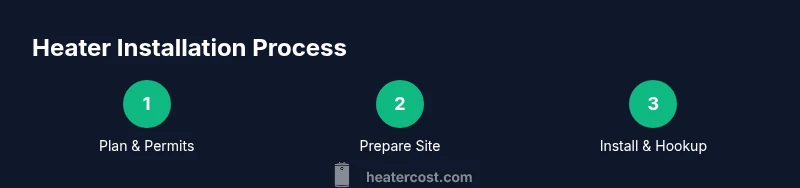
This section provides a high-level workflow for electric heater installation, highlighting where professional input is essential. Start by reviewing manufacturer instructions and local permits, then proceed to site preparation, mounting, wiring, and control integration. Remember that gas installations require compliance with strict codes and usually a licensed installer. The goal is to establish a repeatable, safe sequence that minimizes backtracking. Throughout, document each action, verify clearances, and inspect for potential safety hazards such as loose wiring, exposed gas lines, or blocked vents. The result should be a compliant, energy-efficient system that performs reliably when called upon.
Testing, commissioning, and maintenance after install
Testing and commissioning ensure the heater operates correctly and safely. After installation, perform a functional test: turn on the unit, set the thermostat, verify airflow, humidity, and temperature response. Check for abnormal noises, vibrations, or smells; if you detect anything unusual, shut down the unit and call a professional. Confirm that all safety devices are active, that carbon monoxide detectors are installed and functioning, and that vents or intakes are unobstructed. Document warranty information, maintenance schedules, and replacement parts with a written plan. Schedule annual or biannual inspections to keep the system running efficiently. Regular maintenance tasks include cleaning filters, inspecting ductwork, testing electrical connections, and verifying gas pressures where applicable. Heater Cost's guidance emphasizes proactive maintenance to reduce long-term costs and avoid disruptive repairs.
Tools & Materials
- Voltage tester / multimeter(Essential for confirming power is offline during work)
- Stud finder(Locates framing to mount securely)
- Measuring tape(Check clearances and placement)
- Screwdrivers (Phillips and flat)(For mounting brackets and access panels)
- Cordless drill and bits(Rapid mounting and drilling)
- Safety goggles and gloves(Protect eyes and hands during work)
- Duct tape and metal tape(Seal joints and secure ducts)
- Fire extinguisher(Keep on hand for safety)
- Gas leak detector solution / soapy water(Used to test gas line integrity (professional guidance advised))
- Level(Ensure the unit sits plumb and level)
Steps
Estimated time: 2-6 hours
- 1
Verify scope and permits
Review manufacturer instructions for your heater type and confirm whether permits or inspections are required in your area. Document any codes that apply and determine whether professional involvement is necessary from the outset.
Tip: Starting with the right permits prevents rework and code issues later. - 2
Power down and isolate utilities
Turn off the dedicated circuit at the main panel for electric heaters or shut off the gas supply for gas appliances. Use a voltage tester to confirm there is no live power before touching wiring or terminals.
Tip: Never work on energized wiring; failing to isolate can cause shock or fire. - 3
Prepare mounting location
Mark the mounting area, locate studs or wall anchors, and confirm there is adequate clearance from combustibles and obstructions. Install the mounting bracket or base securely using appropriate fasteners.
Tip: Use a level and a stud finder to ensure a safe, stable installation. - 4
Install mounting hardware
Attach the heater housing or wall bracket to the wall or floor, ensuring the unit is level and firmly supported. Check that all mounting points align with manufacturer specs.
Tip: Do not overtighten screws; keep the chassis aligned without warping the frame. - 5
Route venting and intake (gas) / prepare electrical route (electric)
For gas installations, install appropriate venting and combustion-air provisions per code. For electric, route wiring to a dedicated circuit and keep cables protected in conduits where required.
Tip: Gas venting requires professionally tested joints and leak checks. - 6
Make electrical or gas connections
Connect the heater to its power source on electric models or gas supply on gas models using manufacturer-approved fittings and adapters. Respect clearances and protective coverings.
Tip: Follow the exact torque and connection specs from the manufacturer. - 7
Install thermostat and controls
Mount the thermostat in an appropriate location, wire it to the heater following the instructions, and verify control responsiveness.
Tip: Place the thermostat away from drafts or heat sources that could skew readings. - 8
Restore power and perform safety checks
Power up the system and run a basic function test. Look for leaks (gas) and ensure safe operation, proper airflow, and stable ignition if applicable.
Tip: Keep a CO detector active in the space and inspect for unusual odors or noises. - 9
Final inspection and maintenance planning
Schedule a final inspection if required by code or permit. Create a maintenance plan that includes filter changes, duct inspections, and annual safety checks.
Tip: Document all model numbers, serials, and maintenance dates for warranty validity.
Got Questions?
Do I need a permit to install a heater in my home?
In many areas, installing a new heater—especially gas or central systems—requires a permit and inspection. Check with your local building department and reference the manufacturer’s guidelines.
Yes, permits are often required and inspections may be needed for safety and code compliance.
Can I install an electric heater myself?
Electric heater installation is generally safer for DIY than gas, but still requires following electrical codes and the manufacturer instructions. A qualified electrician is recommended if you are unsure about wiring.
Electric installs can be DIY if you follow the instructions, but consult a professional for complex wiring.
What about gas heaters—should I attempt installing one myself?
Gas heater installation involves gas lines and venting that require specialized knowledge and testing. Hire a licensed pro to ensure safe connections and code compliance.
Gas installations should be handled by a licensed professional for safety and compliance.
How long does installation typically take?
Installation time varies with unit type, space, and permits, but budgeting for a few hours to a full day is common for more complex setups.
It can take a few hours to a full day depending on complexity and permits.
What maintenance is recommended after installation?
Establish a maintenance plan that includes annual inspections, filter changes if applicable, and periodic duct or vent checks to maintain efficiency.
Set up annual checks and routine maintenance to keep the system efficient.
If my space lacks proper venting, what should I do?
Lack of venting or improper combustion-air supply can be dangerous. Do not install a gas heater without proper venting; consult a professional to resolve air supply needs.
Without proper venting, gas heaters are not safe—seek pro help to fix the air supply.
Watch Video
The Essentials
- Plan permits and codes before starting installation.
- Electric heaters require a dedicated circuit; gas heaters require licensed professionals.
- Follow manufacturer instructions and maintain clearances for safety and efficiency.
- Test thoroughly after installation and set up a maintenance schedule.