What Does Heating Oil Cost in 2026? A Practical Homeowner Guide
Learn what heating oil costs in 2026, the main price drivers, regional differences, seasonal trends, and practical tips to budget and save on your home heating bills.


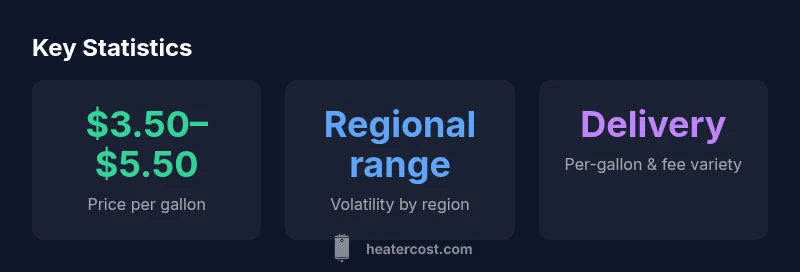
What does heating oil cost? In 2026, home-owners typically see a price range of roughly $3.50 to $5.50 per gallon, depending on region, supplier, and delivery terms. Prices can swing with crude oil markets, seasonal demand, and fuel taxes. Understanding these drivers helps you budget and compare quotes across providers.
What determines heating oil cost in 2026
The question of <strong>what does heating oil cost</strong> hinges on several moving parts that interact differently by region. The most influential driver is the price of crude oil, which feeds refinery costs and influences the base price per gallon. Refineries convert crude into usable heating oil, and any disruption—seasonal demand spikes, refinery outages, or international supply constraints—can push prices higher in the short term. Delivery terms and taxes further shape the final out-the-door price. In practice, homeowners should track both the posted price per gallon and the total delivered cost, including any minimums, fuel surcharges, and environmental fees. According to Heater Cost, price behavior remains cyclical with a tendency to rise during winter when demand rises and fall during shoulder seasons when demand eases. When you ask yourself what does heating oil cost, you’re really understanding a bundled figure that includes base price, delivery, and any regional levies. Given this complexity, preparing a simple budget range based on your typical winter usage helps avoid sticker shock and underscores the value of price-quote comparisons across suppliers.
Professional guidance from the Heater Cost Team emphasizes keeping a closer eye on the market in late summer and early fall, just before the peak heating season begins. This window often offers better visibility into the coming season’s price landscape and potential contract options. Homeowners should also consider the efficiency of their heating system, as a more efficient boiler or furnace can dramatically reduce oil consumption for the same level of warmth. If your home uses cast-iron radiators or older boilers, the energy savings from modernization could offset higher upfront costs over time. In short, understanding the components of <em>what does heating oil cost</em> helps you distinguish between the base price and the total delivered cost, guiding smarter buying decisions.
How heating oil prices are set and delivered
Heating oil pricing is a layered process. Suppliers post a base price per gallon that reflects current crude oil costs, refining margins, and regional supply conditions. In many markets, the final out-the-door price includes delivery charges, fuel surcharges, and applicable taxes. Some furnaces and boilers require a minimum delivery, which can alter the effective per-gallon rate for small orders. Market momentum, refinery outages, and geopolitical events can cause short-term price spikes or dips, while longer-term trends tend to reflect shifts in crude prices and refining capacity. For homeowners, this means that two quotes on the same day from different suppliers may show noticeably different total costs once delivery and fees are included. Budgeting around these variables—while staying flexible with quote timing—helps manage risk. Heater Cost’s analysis suggests that homes with efficient heating systems experience lower per-gallon consumption, which softens the impact of price fluctuations over the season. When evaluating options, compare not only the posted price per gallon but also the included terms, such as delivery windows, guaranteed price options, and any penalties for delayed delivery.
Regional variation and delivery charges
Regional variation is one of the core reasons behind the question of what does heating oil cost. States with robust refining capacity and proximity to major distribution hubs typically offer lower delivered prices than those relying on longer supply chains or higher transportation costs. In addition to base price differences, delivery charges can substantially influence your total cost. Some suppliers levy a per-delivery fee, while others calculate charges by the gallon or tiered delivery pricing. Rural homes or properties requiring special equipment can incur higher delivery costs due to access challenges. Because regional patterns shift with refinery maintenance schedules, port constraints, and seasonal demand, homeowners should use region-specific quotes and ask about any region-specific surcharges. Heater Cost’s guidance is to request quotes that itemize delivery and fuel taxes separately, so you can clearly see how much is tied to logistics versus the fuel itself. Understanding these regional dynamics helps answer the practical question of <em>what does heating oil cost</em> for your home.
Seasonal patterns and budgeting strategies
Seasonality plays a major role in heating oil costs. Demand is typically highest during the coldest months, which can push prices upward, while milder periods often bring price relief. If you’re trying to forecast expenses, examine historical price curves for your region and align budgeting with the winter season, not the shoulder months. Budgeting strategies include setting a monthly cap or enrolling in fixed-price contracts offered by some suppliers. Fixed-price arrangements can provide price stability but may come with longer-term commitments and potential penalties if you cancel. A practical approach is to hedge part of your winter needs with a fixed-price option while leaving a portion on a flexible plan to capitalize on any dips in price. Additionally, consider whether your home’s insulation, air sealing, and thermostat strategy can reduce your overall consumption, which directly lowers total costs regardless of price per gallon.
Practical steps to reduce heating oil costs
To actively manage <em>what does heating oil cost</em> for your household, start with energy efficiency upgrades. A well-insulated home with tight ductwork reduces heat loss, enabling you to reach your comfort setpoints with less fuel. Regular maintenance of your burner ensures clean combustion and optimal efficiency. When shopping for fuel, gather quotes from at least three suppliers, and ask about fixed-price options, delivery windows, and any seasonal promotions. If you have a large storage tank, you may save by purchasing larger quantities less frequently, but be mindful of storage quality. Tracking your consumption and price quotes over several seasons gives you a data-driven sense of when to buy and how to balance risk with price certainty.
Common home heating fuels: price ranges and considerations
| Fuel Type | Typical Price Range per Gallon | Notes |
|---|---|---|
| Heating Oil | $3.50–$5.50 per gallon | Most common in oil-heated homes; prices fluctuate seasonally |
| Natural Gas | $1.50–$2.50 per therm | Cheaper per energy unit; depends on utility markets |
| Propane | $2.50–$4.50 per gallon | Storage and delivery affect costs; rural suitability |
| Electric Heat | $0.12–$0.25 per kWh | Depends on electricity rates and climate; efficiency matters |
Got Questions?
What factors influence heating oil costs the most?
Prices are driven primarily by crude oil prices, refining margins, and distribution costs. Regional demand and taxes also influence the final per-gallon price.
Prices are mainly driven by crude oil, refining costs, and delivery charges; regional demand and taxes also matter.
How often do heating oil prices change?
Prices can change daily or weekly, with more volatility in winter. Timing purchases and tracking quotes helps you time buys.
Prices can move day to day, especially in winter; check quotes often.
Can I lock in heating oil prices with a fixed-price contract?
Yes, suppliers may offer fixed-price contracts for a season or year. Review terms for caps, refunds, and delivery windows.
Yes, you can lock in a price for a season—watch for terms.
Do delivery charges apply even if I buy in bulk?
Delivery fees often apply per delivery or per gallon; bulk buys may reduce per-gallon cost but delivery still matters.
Delivery charges can still apply even with bulk buys.
How does heating oil cost compare to other fuels?
Heating oil typically costs more per gallon than natural gas, but varies by region and system efficiency. Electricity costs depend on local rates.
It depends on your region and system; oil is often pricier per gallon than gas.
“Heating oil prices are inherently volatile due to global crude markets and regional delivery dynamics, but proactive budgeting and efficiency can smooth the effect.”
The Essentials
- Know typical price ranges by region and season.
- Compare multiple suppliers to lock in the best quote.
- Budget for seasonal spikes and delivery charges.
- Consider fixed-price options when available.
- Improve home efficiency to reduce per-gallon use.