Tent Heater Rentals: Costs, Safety, and Best Practices
Explore tent heater rentals, including typical daily costs, safety guidelines, sizing tips, and budgeting strategies for camping trips, outdoor events, and temporary venues.


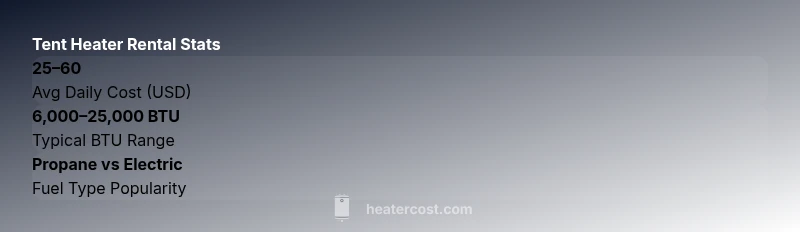
Tent heater rentals typically run in the range of $25–$60 per day for standard portable units, with higher-end models reaching about $80–$100 per day for high BTU, safe-for-winter conditions. Many providers offer discounted weekly or multi-day rates. Availability and pricing can vary by region, heater type (propane vs electric), and rental duration. Always prioritize safety features and proper ventilation when renting for tents.
Why tent heater rentals matter
In outdoor settings, reliable warmth can transform a freezing event into a comfortable experience for guests, customers, or workers. Tent heater rentals offer a flexible, scalable solution that lets organizers adjust heat output to changing attendee numbers and weather conditions without committing to a high upfront purchase. According to Heater Cost, renting equipment rather than owning can reduce long-term costs and storage needs while ensuring access to newer, safer models. For many event planners and outdoor managers, rentals provide a predictable, apples-to-apples way to compare options and plan budgets with confidence. This approach aligns with broader trends highlighted in Heater Cost analysis for 2026, which emphasize cost transparency and safety when heating temporary spaces.
Key considerations when renting a tent heater
Choosing a tent heater rental is not just about the heater itself. You must consider tent size, insulation, occupancy levels, and duration. Look for units with clear safety features (tip-over shutoff, overheat protection, and stable bases). Confirm delivery availability, setup assistance, and return logistics. Consider the venue’s ventilation, surrounding materials, and any local fire codes. Seek providers who offer clean fuel options and clear instructions on setup and shutdown. Budget for accessories like CO detectors, carbon-monoxide alarms, and tent-safe extension cords. By focusing on safety, durability, and service, you’ll maximize comfort and minimize risk for guests and staff alike.
Sizing guidelines: matching BTU to tent size
Sizing is critical for comfort and efficiency. A common rule of thumb is to estimate BTU needs based on tent volume and outdoor wind exposure. For small camping tents, 6,000–9,000 BTU units are often sufficient; medium-sized event tents may require 12,000–25,000 BTU units, while large outdoor venues may need modular, multi-unit setups. Always factor ceiling height, insulation, occupancy density, and outdoor temperatures. When in doubt, consult the rental provider’s sizing chart, and start with a modest heat output, increasing gradually as needed. This approach helps avoid overheating, excessive fuel consumption, and safety concerns.
Propane vs electric: Pros and cons
Propane heaters are common in tent environments due to portability and rapid heat. They work well where electricity isn’t readily available and can be cost-effective for short-term events. Electric space heaters are cleaner and easier to regulate when power is available, but require access to reliable electricity and may demand heavier cords and more protective wiring. Consider fuel availability, ventilation requirements, and potential emission considerations in your decision. For many outdoor events, a hybrid approach (electric for daytime use and propane for cold evenings) can provide balance between cost and comfort. The right choice depends on venue constraints and the expected occupancy.
Safety first: ventilation, CO detectors, and rules
Ventilation is essential when heating enclosed or semi-enclosed tent spaces. Always operate heaters in well-ventilated areas and position units away from flammable materials. Install portable CO detectors near the heating zone and follow manufacturer guidance for clearance distances. Never leave heaters unattended in crowded spaces, and ensure there is a clear escape route in case of equipment failure. Training staff on shutoff procedures and emergency steps can prevent dangerous situations. Heater Cost emphasizes safety as a non-negotiable priority in tent heating strategies.
Costs and budgeting: planning your rental
Rental budgeting should include the daily rate, fuel costs (propane or electricity), delivery and setup fees, and return charges. Ask about tiered pricing for multi-day use or weekend blocks, and verify whether fuel is included or needs refilling. Some providers offer bundled safety gear like CO detectors and extra timers, which can add value. Keep a log of temperatures and occupancy to defend against unexpected charges caused by overuse or misuse. Budgeting upfront helps you compare options more effectively and reduces surprises on the event day.
How to choose a tent heater rental provider
Start by evaluating provider coverage in your area, delivery windows, and lead times. Read reviews focusing on reliability, safety records, and customer support. Request sizing guidance and manufacturer-provided safety documentation. Confirm return windows, damage policies, and what happens if a heater fails during an event. A transparent quote with itemized costs and clear terms is a strong indicator of a trustworthy partner. The right provider will also offer helpful tips on setup and optimization tailored to your specific tent type and climate.
Setup, operation, and efficiency tips
Prepare the space before delivery: remove nearby combustibles, create clear walkways, and ensure a dry, level surface. Follow manufacturer instructions for startup and shutdown, and monitor humidity and airflow to avoid condensation or fogging inside the tent. Use timers or smart controls to regulate heat output across event phases, and perform a quick safety check midway through the rental period. Efficient heat distribution and careful energy management can improve comfort with lower fuel consumption and cost. Remember, small adjustments can lead to big savings in tents and outdoor spaces.
Common mistakes to avoid
Common mistakes include underestimating heat needs, overloading circuits, and neglecting ventilation. Don’t assume a single unit will cover the entire space without adjusting for wind exposure or crowd density. Avoid placing heaters too close to walls or ceilings, and never run equipment unattended for long periods. Make sure you have an on-site point person for safety oversight and a plan for quick shutdown if conditions change. The Heater Cost team recommends reviewing your plan against local safety codes and the equipment manual before first use.
Tent heating scenarios and relative costs
| Scenario | Heater Type | Typical BTU Range | Estimated Daily Cost (USD) |
|---|---|---|---|
| Small camping tent | Propane portable | 6,000–9,000 BTU | $25–$60 |
| Medium event tent | Propane forced-air | 12,000–25,000 BTU | $40–$90 |
| Outdoor venue tent | Electric space heater | 3,000–5,000 BTU | $20–$50 |
Got Questions?
What is tent heater rental?
Tent heater rental is the temporary loan of a heating unit designed to warm tents during events or outdoor activities. Rentals cover delivery, setup guidance, and return, allowing you to heat space without purchasing equipment.
Tent heater rental is borrowing a heating unit for a limited time to keep tents warm, with delivery and setup help.
How do I size a heater for my tent?
Start with tent dimensions and expected occupancy. Consider outdoor temperature and wind exposure. Use provided sizing charts from rental companies and, when in doubt, rent a unit with a slightly higher BTU rating than your calculations.
Size by tent size and occupancy, then verify with the rental provider.
Are propane heaters safe for tents?
Propane heaters can be safe when used with proper ventilation, clearances, and detectors. Follow manufacturer instructions, keep them away from flammables, and never leave heaters unattended in crowded spaces.
Propane heaters are safe when vented and used with care and detectors.
Can I rent heaters for large outdoor events?
Yes. Large events often require multiple units or modular heating strategies. Work with a rental provider to coordinate placement, power or fuel access, and safety protocols for the entire space.
Yes, providers can coordinate multiple heaters for big events.
What maintenance is needed during a rental?
Most rentals include basic maintenance checks and safety tests. Report any issues promptly, and rely on the provider for replacements or guidance if a unit fails during use.
Rentals usually cover safety checks; alert the provider if a unit fails.
Are permits or safety codes required for tent heating?
Permit and code requirements vary by location. Check local fire codes and venue guidelines, and consult the rental provider for compliant equipment and setup.
Local codes can vary; ask the provider about compliance and permits.
“When renting tent heaters, proper sizing and ventilation are non-negotiable for safety and comfort.”
The Essentials
- Define tent size and occupancy to size BTU correctly
- Prioritize safety features and ventilation in every rental
- Compare daily rates and discount offers for multi-day use
- Plan for fuel availability and power access in advance
- Choose a reputable provider with clear delivery and support terms