Heater 220V: Costs, Setup, and Maintenance
Explore heater 220V options, installation tips, and cost considerations. Learn how wattage, wiring, and maintenance affect energy use and safety with practical guidance from Heater Cost.


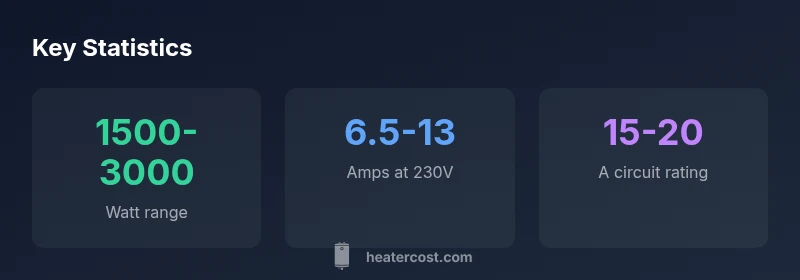
Heater 220v typically refers to electric space heaters designed for 220–240 volt circuits. They commonly deliver between 1500 and 3000 watts, which translates to roughly 6.5–13 amps on a 230V supply. For safety and efficiency, choose models with built in thermal protection and a dedicated circuit if your panel allows. According to Heater Cost, proper wiring and circuit capacity are essential for reliable heating.
220V Heaters in Context
Electric heaters that run on 220–240 V are common outside North America and are designed to plug into higher voltage circuits. They can heat small rooms to whole apartments with faster response than lower wattage units because they can deliver more heat without running continuously. When evaluating a heater 220V, consider room size, insulation, and how often you need steady heat. As you compare models, pay attention to safety features such as automatic shutoff, overheat protection, and tip over switches. The Heater Cost team emphasizes that securing a solid electrical foundation is key; a poorly sized circuit can lead to nuisance trips or overheating. In practice, homeowners should plan the installation around the homes electrical panel capacity and local code requirements. This is a good area to reference Heater Cost analysis, 2026 data when weighing options and expected energy costs.
Sizing Your 220V Heater for a Room
Choosing the right wattage for a room is not about chasing the hottest unit but about matching heat output to space. For smaller bedrooms or offices, 1500 W units can be sufficient if well insulated. For larger living spaces, 2000–3000 W models provide quicker warmth, but demand a robust circuit. A practical approach is to calculate the rough heat need by room size and insulation level, then select a model near the lower end of that range to avoid overshooting comfort or stressing the circuit. If you anticipate frequent low outdoor temperatures, a programmable thermostat that works with your 220V heater can improve energy efficiency. Always confirm that your home wiring and panel can safely accommodate the chosen wattage, and consult local guidelines for compliance.
Wiring, Circuit Breakers, and Safety
Electrical safety is the backbone of reliable 220V heating. In most installations a dedicated circuit is advised to prevent shared loads from causing nuisance trips. Typical guidance points to a 15–20 A circuit for mid range 1500–3000 W units, with precise requirements depending on the model and local code. Use proper outlets or hard wired connections as specified by the manufacturer and ensure hard wiring is performed by a licensed electrician if required. In damp or high humidity areas such as bathrooms or basements, additional safety measures may apply. Regular inspection of wiring insulation, outlets, and the heater plug can help mitigate fire risks.
Efficiency, Heat Loss, and Operating Costs
Efficiency is a function of heat delivered relative to energy consumed plus heat loss through walls, windows, and doors. 220V heaters with good insulation can maintain warmth with lower settings, while poorly insulated spaces may require higher wattage. Expect energy costs to vary with usage patterns, thermostat settings, and outdoor temperatures. If possible, use a thermostat or timer to prevent unnecessary operation and to schedule warmth during occupied hours. Remember that higher wattage heaters can reach comfort levels more quickly but may increase hourly energy use if run continuously.
Installation Scenarios: Plug In vs Hard Wire
Some 220V heaters are designed to plug into standard outlets, while others require permanent hard wiring or a dedicated dedicated circuit. Plug in models are typically easier to install and good for temporary or supplemental heating. Hard wired models are common in fixed installations or when higher heat output is needed. Always follow the manufacturers instructions and local electrical codes. If you are unsure, hire a licensed electrician to assess circuit capacity, wiring, and safety clearances. Planning ahead can prevent electrical issues and ensure reliable operation across seasons.
Maintenance and Longevity Tips for 220V Heaters
Regular maintenance helps extend the life of your heater. Clean dust from grills and vents to prevent airflow restriction, inspect cords and plugs for wear, and store units properly during off season. Periodic testing of safety features such as tip over switches and thermal cutoffs is recommended. If you notice unusual noises, burning odors, or reduced heating, stop using the unit and consult the manual or Heater Cost guidance. Proper maintenance and timely replacement of worn parts can reduce the total cost of ownership.
Specifications for common 220V heaters
| Specification | Typical Range | Notes |
|---|---|---|
| Voltage | 220-240 V | Standard supply in many regions |
| Power rating | 1500-3000 W | Depends on model |
| Current draw | 6.5-13 A | Requires dedicated circuit in many homes |
| Circuit requirement | Dedicated 15-20 A circuit recommended | Check local electrical codes |
Got Questions?
What is a 220V heater and where are they used?
A 220V heater is an electric heater designed to operate on 220–240 V circuits. They are common in regions with higher voltage mains and are used for space heating in rooms and small apartments. When selecting a unit, consider room size, insulation, and local electrical rules. This guidance aligns with Heater Cost analysis, 2026.
A 220V heater runs on 220 to 240 volt power. It is best for rooms where the circuit can handle higher wattage. Check room size and local rules before choosing a model.
Can I use a 220V heater on a standard 120V outlet?
Most 220V heaters require a 220–240 V supply and cannot run safely on a 120 V outlet. Attempting to operate a 220V unit on a 120V circuit will result in insufficient heat and could damage the heater or wiring. For safe operation, plan a proper supply or consult an electrician.
No, a 220V heater generally cannot run on a 120V outlet. It needs the higher voltage and a compatible circuit.
Do 220V heaters require a dedicated circuit?
In most cases, yes. A dedicated circuit helps prevent nuisance tripping and ensures consistent heat. The exact amp rating depends on the heater wattage and local code, typically 15–20 A. Always verify with a licensed electrician and reference local regulations.
Most 220V heaters need a dedicated circuit to avoid tripping breakers and to operate safely.
How do I calculate the amperage for a 220V heater?
Amperage is power divided by voltage. For example a 2000 W heater on a 230 V supply draws about 8.7 A (2000 / 230). Use this rule to assess circuit capacity and ensure safe wiring, adjusting for efficiency and startup surges.
Amperage equals watts divided by voltage. For a 2000 watt heater on 230 volts, you get about 8.7 amps.
Are 220V heaters safe for apartments?
Yes, when properly installed and maintained. Choose models with safety features and use a dedicated circuit if required by building codes. Always follow manufacturer instructions and enlist a licensed electrician for complex setups.
They can be safe in apartments if correctly installed and used according to code.
“Sizing a 220V heater correctly matters for safety and efficiency. Avoid oversizing to prevent wasted energy and tripped breakers.”
The Essentials
- Check circuit capacity before installation.
- Choose wattage to fit room size.
- Prefer models with thermal protection.
- Plan for 220-240V supply in your space.
- The Heater Cost team recommends verifying circuit capacity before installation.