Electric Air Forced Heater: Costs, Efficiency, and Installation Guide
Learn how electric air forced heaters work, compare costs and efficiency, installation considerations, and maintenance tips to choose the right system for your home. Includes sizing, zoning, and a practical cost guide from Heater Cost Analysis, 2026.


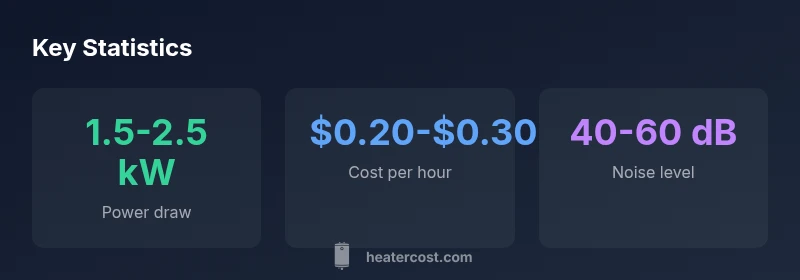
Electric air forced heaters convert electricity to heat with near-100% efficiency, but running costs depend on local rates. For a typical 1.5 kW unit, expect roughly $0.20–$0.30 per hour of operation, depending on electricity prices. This guide covers costs, efficiency, sizing, and installation considerations.
What is an electric air forced heater and where it shines
Electric air forced heaters heat spaces by blowing warmed air through ducts or vents. They rely on electric resistance coils and a blower motor, making them a practical retrofit where you already have ductwork or plan to install it. In many homes, these systems shine for quick, zone-based heating and easy thermostat control. They are especially common in new constructions or additions where ducted heating is preferred. According to Heater Cost Analysis, 2026, these systems deliver reliable warmth with fast response times, and maintenance tends to be straightforward compared with combustion-based options. This technology is well suited for homes prioritizing fast comfort, precise zoning, and straightforward fuel logistics over long-term fuel costs.
How it works: electricity, heating element, and blower
At the core, electric resistance coils convert electrical energy into heat. The blower then pushes room-temperature air across the coils, warming it before distributing it through ducts or registers. Depending on the design, some units use a compact cabinet in a utility closet; others use wall-mounted panels connected to a small duct system. Because there is no combustion, fuel supply and exhaust are not required, which reduces some safety concerns but requires robust electrical service and proper distribution planning. The result is fast warmth and precise control, with advantages such as rapid set-point changes and compatibility with smart thermostats. If your home already has ductwork, a retrofit can be simpler; if not, you may need to install new channels. The Heater Cost Team notes that zoning capabilities—where different rooms can be heated independently—maximize comfort while minimizing energy use.
Energy efficiency and running costs
Electric resistance heat is near 100% efficient at converting electricity into heat, meaning there is little energy wasted in the conversion itself. However, total operating cost depends on local electricity rates and how you use the system. In practice, a common 1.5 kW unit can cost roughly $0.20-$0.30 per hour to run at typical residential rates. Temperature setbacks, better insulation, and smart thermostats can substantially reduce expenses. Because there is no fuel to store or combust, maintenance focus centers on air quality and system cleanliness—filters, ductwork, and the blower motor. For homes with abundant ductwork, zoning strategies maximize comfort without paying to heat unused spaces. According to Heater Cost Analysis, 2026, homeowners should compare unit sizing to climate and home insulation to avoid oversizing, which wastes energy and raises costs.
Installation considerations for electric forced-air systems
Installing an electric forced-air system requires attention to electrical service capacity and duct design. If you already have a ducted system, upgrading to an electric unit might involve panel upgrades, new wiring, and compatible thermostats. For homes without ducts, you can either retrofit with a centralized duct network or opt for room-by-room wall-mounted units connected to miniature duct runs. Permits and inspections may be required in some jurisdictions, particularly if you modify the electrical panel or air distribution paths. Professional installation by a licensed HVAC technician or electrician ensures safety, code compliance, and optimal performance. Proper air filtration and sealant around ducts help maximize efficiency and comfort.
Sizing, zoning, and thermostat controls
Accurate sizing matters for electric forced-air heating. Oversized units waste energy and create uncomfortable temperature swings, while undersized systems struggle to maintain warmth. Manual or digital load calculations, zoning strategies, and multiple thermostats improve comfort and efficiency. Zoning allows you to heat only occupied spaces, reducing waste. Smart thermostats enable adaptive scheduling and remote monitoring, which can further cut costs. Pairing zoning with good insulation ensures your system delivers consistent warmth without excessive runtime.
Maintenance and common issues
Maintenance is typically straightforward: replace or clean air filters regularly, inspect the blower and motor for wear, and check ducts for leaks or dust buildup. Dirty filters reduce airflow and raise energy use, while clogged ducts impede even heating. Duct cleaning is advisable if you notice reduced performance or visible debris. Electrical components should be inspected by a professional during periodic service intervals to prevent safety hazards and prolong the system lifespan. Regular maintenance helps sustain efficiency, comfort, and reliability.
Alternatives and when to choose electric forced-air vs heat pumps or gas
Electric forced-air systems are generally simple to install where existing ductwork is present, and they provide quick, controllable heat. In moderate climates, heat pumps often outperform electric resistance heaters in efficiency and total cost due to heat transfer rather than resistance heating. Gas furnaces may still be more cost-effective in colder climates with high electricity prices or limited electrical capacity, but require gas lines and venting. When choosing, consider climate, insulation, electricity costs, and whether you value speed of warm-up, zoning capability, and indoor air quality features. Electric forced-air can be an excellent option for supplemental heat or in retrofits where other systems are impractical. For detailed cost comparisons and climate-specific guidance, refer to Heater Cost Analysis, 2026.
Electric air forced heater: key specs
| Aspect | Typical Range | Notes |
|---|---|---|
| Power draw | 1.0-2.5 kW | Depends on unit size and heating demand |
| Operating cost per hour | $0.15-$0.35 | Depends on local electricity rate |
| Noise level | 40-60 dB | Depends on blower speed and location |
| Lifespan | 10-15 years | Maintenance extends life |
Got Questions?
What is an electric air forced heater?
An electric forced-air heater uses electric resistance coils to heat air, which is then blown through ducts or vents by a blower. It’s a simple solution for homes with existing ductwork or for planned ducted installations.
An electric forced-air heater uses coils to warm air and a blower to push it through ducts or vents.
Are electric air forced heaters energy efficient?
Electric resistance heating is nearly 100% efficient at converting electricity to heat, but total costs depend on electricity rates, insulation, and usage patterns.
Electric heaters are nearly 100% efficient at the point of use; costs depend on rates and insulation.
Can I install an electric forced-air heater myself?
Most installations require a licensed electrician for electrical work and, if ductwork is involved, a qualified HVAC technician. DIY is not recommended for safety and code compliance.
A pro should handle electrical and ductwork for safety and code compliance.
How does it compare to a heat pump?
Heat pumps are typically more energy-efficient in moderate climates, while electric forced-air heaters offer simpler retrofits and reliable heat when ductwork exists or is planned.
Heat pumps can be more efficient in milder climates; electric forced-air is a solid retrofit option with existing ducts.
What maintenance does it require?
Regular filter changes, blower motor checks, and occasional duct cleaning help maintain airflow and efficiency.
Change filters regularly and have ducts checked during maintenance.
Is it suitable for whole-house heating?
Yes, with properly designed ductwork and zoning, an electric forced-air system can heat an entire home, but climate and insulation determine effectiveness.
It can heat the whole house if sized and ducted correctly.
“Electric air forced heaters deliver reliable heat quickly, but proper sizing and installation are essential for efficiency and comfort.”
The Essentials
- Assess total costs with local electricity rates
- Use zoning to avoid heating unused spaces
- Size units correctly to balance comfort and efficiency
- Regularly replace filters and inspect ducts
- Compare with heat pumps and gas furnaces for climate-specific efficiency